Science That Changes Lives
From breakthroughs in the lab to real-world progress—accelerating research that delivers results for families today.
Grant - Winter 2018 - ALS and DM – Lukasz Sznajder, MSc, Ph.D.

“Novel therapeutic approaches for the neurological and neuromuscular diseases caused by the expansion of repetitive elements in the human genome are being tested on a daily basis in many research laboratories and this activity will not stop until effective therapies for these diseases are available,” Lukasz Sznajder said.
Lukasz Sznajder, a postdoctoral associate at the University of Florida College of Medicine in Gainesville, Fla., was awarded an MDA development grant totaling $180,000 over three years to apply next-generation sequencing and other technologies to develop novel and disease-specific blood biomarkers for “repeat expansion diseases” (diseases that are caused by the abnormal expansion of particular stretches of DNA); These include ALS (amyotrophic lateral sclerosis) and frontotemporal dementia (FTD) caused by a mutation in C9ORF72 and type 2 myotonic dystrophy (DM2).
With colleagues, Sznajder is working to study a potentially novel mechanism whereby the expanded DNA sequences in DM2 and C9ORF72 ALS could alter the processing of RNA (the chemical step between DNA and protein production). The team plans to test whether these abnormalities could be detected not only in affected tissues such as the brain or muscle, but also in the blood — and whether they could be used as useful biomarkers.
If successful, Sznajder’s work could help point to new biomarkers for ALS and DM2 and open a new area for therapeutic intervention.
Grantee: ALS and DM – Lukasz Sznajder, MSc, Ph.D.
Grant type: Development Grant
Award total:
Institution:
Country:
Grant - Winter 2018 - ALS – Fatima Gasset-Rosa, Ph.D.
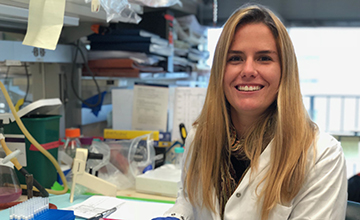
“I believe that understanding the initial event that provokes TDP-43 abnormalities and TDP-43 spread within the nervous system will guide directions for therapeutic development in ALS,” Fatima Gasset-Rosa said.
Fatima Gasset-Rosa, postdoctoral fellow at the Ludwig Institute for Cancer Research, University of California – San Diego in La Jolla, Calif., was awarded an MDA development grant totaling $180,000 over three years to study the role of abnormal TDP-43 protein in ALS (amyotrophic lateral sclerosis).
A common feature of the majority of ALS cases is the aggregation of TDP-43 protein in the tissues of the brain and spinal cord. Using neuronal cells and mouse models, Gasset-Rosa and colleagues are working to uncover the mechanisms that cause TDP-43 protein to assemble into these aggregates. In addition, they aim to determine whether the spread of these clumps of abnormal TDP-43 occurs anatomically — from cell to cell — to neighboring regions of the brain and spinal cord, leading to the spreading of disease and progression of ALS.
If successful, Gasset-Rosa’s work could help inform the development of drugs aimed at blocking the formation and propagation of TDP-43 aggregates in ALS.
Grantee: ALS – Fatima Gasset-Rosa, Ph.D.
Grant type: Development Grant
Award total:
Institution:
Country:
Grant - Summer 2017 - SBMA – Andrew Lieberman, M.D., Ph.D.
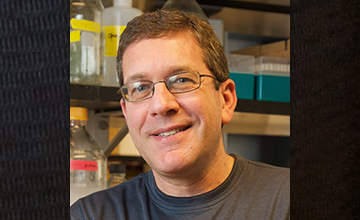
“There are no available disease-modifying treatments for SBMA,” Andrew Lieberman says. “Grants from the MDA provide critical support for translational studies in this area of unmet clinical need.”
Gerald Abrams Collegiate Professor of Pathology Andrew Lieberman, at University of Michigan Medical School in Ann Arbor, was awarded an MDA research grant totaling $300,000 over three years to test a modified antisense oligonucleotide (ASO) therapy to treat spinal-bulbar muscular atrophy (SBMA).
Working with colleagues at Ionis Pharmaceuticals, Lieberman will complete preclinical studies in a mouse model to establish the safety and efficacy of a new type of therapy to silence expression (activity) of the gene that is mutated in SBMA. They plan to deliver the drug under the skin and target skeletal muscle — in fact, the new drug has been specifically designed for efficient uptake by muscle.
The team hypothesizes that the enhanced targeting of muscle by the new drug will enable robust gene silencing at lower doses, thereby limiting off-target toxicity while concurrently enhancing activity in a variety of disease-relevant muscles.
The group plans to establish the extent to which the modified drug triggers enhanced gene silencing and prevents disease onset in SBMA mice, and will determine effects of the drug in symptomatic SBMA mice. These studies are expected to provide essential efficacy data in a preclinical model.
The work is part of an academic-industry partnership between Ionis Pharmaceuticals and the Lieberman laboratory. If successful, the work could de-risk further investment by Ionis and shed light on whether a similar muscle-targeting strategy could work for other muscle diseases as well.
Grantee: SBMA – Andrew Lieberman, M.D., Ph.D.
Grant type: Research Grant
Award total:
Institution:
Country:
Grant - Summer 2017 - Nemaline Myopathy – Jordan Blondelle, Ph.D.
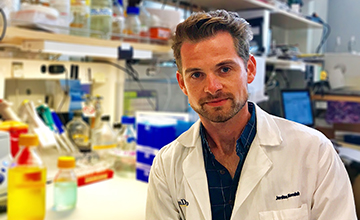
“My focus is to better understand the role that Cullin-3-related protein degradation may play in the pathological mechanism leading to the development of nemaline myopathy,” Jordan Blondelle says. “It’s important because the underlying mechanisms of this life-threatening disease currently are poorly understood.”
Jordan Blondelle, postdoctoral researcher at the University of California San Diego in La Jolla, was awarded an MDA development grant totaling $180,000 over three years to increase understanding of the underlying mechanisms in nemaline myopathy.
Muscle mass maintenance is tightly regulated by a balance between muscle growth and atrophy, reflecting the balance between protein synthesis and degradation at the cellular level. Accumulation of misfolded proteins or premature degradation of proteins is often associated with diseases such as skeletal muscle myopathies.
The degradation of muscle proteins is accomplished mainly through a cellular “clean-up and disposal system” called the ubiquitin-proteasome system, or UPS. The Cullin family of proteins, a key component of the UPS system, incorporate into complexes after which they are able to bind and mark unwanted proteins for degradation. Recently, mutations in several binding partners of Cullin-3, a Cullin protein family member, were found in people with severe forms of nemaline myopathy. These findings suggest a specific and important function for Cullin-3 targeted protein degradation during muscle development and maintenance.
Using mutant mice in which Cullin-3 is depleted in muscles, Blondelle and colleagues determined that the protein is necessary for survival, and will now look at how the loss of Cullin-3 affects muscle development, structure and function.
The team expects to find new target proteins of the Cullin-3 complex that would be misregulated in the absence of Cullin-3 and responsible for the myopathy observed in mice. In addition, the team intends to decipher, for the first time, how protein degradation mediated by Cullin-3 is relevant for muscle physiology, and to provide insight into the pathological mechanisms leading to nemaline myopathy in people.
If successful, Blondelle’s work could inform the development of therapies for nemaline myopathy.
Grantee: Nemaline Myopathy – Jordan Blondelle, Ph.D.
Grant type: Development Grant
Award total:
Institution:
Country:
Grant - Summer 2017 - DM – Auinash Kalsotra, Ph.D.

"I feel that the DM field is making impressive strides in deciphering the exact pathogenic mechanisms unleashed by the trinucleotide repeat expansion,” Auinash Kalsotra says. “This knowledge will undoubtedly lead to the development of new treatment modalities for this debilitating disease."
Auinash Kalsotra, assistant professor and Beckman Fellow at the University of Illinois in Urbana, was awarded an MDA research grant totaling $300,000 over three years to shed light on how defects develop in the heart in type 1 myotonic dystrophy (DM1).
While the mutation that underlies DM1 affects multiple tissues, cardiac defects are the second leading cause of death in individuals with DM1. However, the molecular mechanism(s) responsible for the cardiac pathogenesis remain poorly understood.
Kalsotra and colleagues have discovered that in DM1-diseased heart, the fetal non-muscle isoform of an RNA binding protein called RBFOX2 is significantly upregulated. By forcing the expression of the non-muscle isoform of RBFOX2 in adult mouse hearts, they have reproduced many of the cardiac dysfunctions observed in DM1, including arrhythmias and cardiac conduction defects.
Now, the team will determine how the balance between muscle and non-muscle isoforms for RBFOX2 is achieved during normal heart development. In addition, they will investigate how this regulation is disrupted in DM1 and why the selective expression of non-muscle RBFOX2 isoform triggers a cardiac disease phenotype.
These finding will offer important insight into how cardiac abnormalities develop in DM1, and may inform new approaches for cardiac care in individuals with DM1.
Grantee: DM – Auinash Kalsotra, Ph.D.
Grant type: Research Grant
Award total:
Institution:
Country:
Grant - Summer 2017 - DM – Andrew Berglund, Ph.D.

“I think the myotonic dystrophy field has made great gains in understanding the mechanisms of this disease, and there a number of exciting therapeutic strategies underway,” Andrew Berglund says. “This includes clinical trials with antisense oligonucleotides that target the toxic RNA as well as other strategies that target other aspects of the disease.”
Andrew Berglund, professor of biochemistry and molecular biology at the University of Florida in Gainesville, received an MDA research grant totaling $300,000 over three years to develop a therapeutic strategy for both types 1 and 2 myotonic dystrophy (DM1, DM2).
It is thought that the genetic defect underlying DM causes a toxic RNA, which accumulates in the nucleus of the cell and causes protein dysfunction by trapping proteins important for normal cell function. (RNA is the chemical step between DNA and protein manufacturing.) Some therapeutic approaches aim at degrading these toxic RNAs, or prevent them from trapping important cellular proteins. Berglund’s approach is to prevent the toxic RNA from even being produced in the first place.
With colleagues, Berglund recently published proof-of-principle data supporting the approach they’ve developed, called IMPEDE (inhibition of microsatellite promoted expression of deleterious expansions), which showed that treatment with an FDA-approved drug called actinomycin D reduced toxic RNA production in DM1 cell and mouse models.
Now Berglund’s team is working to further develop this small-molecule approach. Small molecules have some advantages over other types of treatments — such as the ability to be given systemically and to get across the blood-brain-barrier.
If successful, this approach potentially could be used alone or in combination with other therapeutic strategies to treat myotonic dystrophy.
Grantee: DM – Andrew Berglund, Ph.D.
Grant type: Research Grant
Award total:
Institution:
Country:
Grant - Summer 2017 - Mitochondrial Myopathy, DMD – Gino Cortopassi, Ph.D.
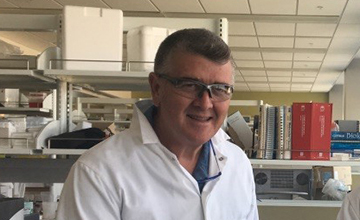
“We believe that this drug, already approved for use in humans, will cure mitochondrial disease in animals,” Gino Cortopassi says. “If it does, we would take the data directly to the FDA to support a clinical trial in patients with mitochondrial myopathy.”
Gino Cortopassi, professor of molecular biosciences at the University of California, Davis, was awarded an MDA research grant totaling $300,000 over three years to optimize dosing in an FDA-approved drug called dimethyl fumarate, or DMF, in animal models of mitochondrial myopathy and Duchenne muscular dystrophy (DMD).
Mitochondria are small organelles found in cells. They are considered the “powerhouse” of the cell and are necessary to sustain life and support growth. When mitochondrial function is disrupted, high energy-demanding tissues such as brain and muscles are severely affected.
With a grant from MDA in 2009, Cortopassi and colleagues determined that the drug DMF could improve mitochondrial function. Only recently, however, have they come to understand that DMF works by increasing the number and activity of mitochondria in muscle. Since DMF has been used safely in hundreds of thousands of individuals with multiple sclerosis and psoriasis, its path to approval in other diseases could be quick. But in order for the FDA to approve clinical trials in humans that could assess whether the drug is effective in mitochondrial myopathy or DMD, positive results in validated animal models of these diseases are necessary.
Now, Cortopassi and his team will work to optimize dosing and timing for maximum drug benefit, test the mechanism of the drug, and determine the functional muscle benefit in mitochondrial myopathy and DMD mouse models. The group intends to identify the maximum effective dose of DMF and determine whether it can improve function in the mice.
If successful, Cortopassi’s work could provide data to support an investigational new drug (IND) application to the FDA for a new therapy for mitochondrial myopathy and/or DMD.
https://doi.org/10.55762/pc.gr.76838
Grantee: Mitochondrial Myopathy, DMD – Gino Cortopassi, Ph.D.
Grant type: Research Grant
Award total:
Institution:
Country:
Grant - Summer 2017 - FSHD – Angela Lek, Ph.D.

“Without the support of MDA, young scientists like myself will not have the means to focus and shine a spotlight on rare diseases such as FSHD and other muscular dystrophies,” Angela Lek says.
Angela Lek, a postdoctoral research fellow at Boston Children’s Hospital in Massachusetts, was awarded an MDA development grant totaling $180,000 over three years to use cutting-edge techniques and a novel approach to search for drug targets in facioscapulohumeral muscular dystrophy (FSHD).
Disease severity among FSHD patients varies widely, and differences may be attributable to genetic modifiers (genes that minimize or exacerbate symptoms). Such modifiers also may explain why some relatives of people who have FSHD and who have the same permissive genetics are not affected.
With colleagues, Lek will work to identify genetic modifiers that appear to allow some individuals to appear “resistant” to FSHD.
Using the latest in genome-editing technology, the team will perform genetic modifications that result in systematically switching on every gene, one by one, across the entire human genome. They hypothesize that one or more of these gene switches will result in reduction of FSHD-related cell toxicity, making it a modifier gene in FSHD that can potentially be used to ameliorate disease symptoms in patients.
Candidate modifier genes will be cross-referenced to genomic sequencing data derived from people with FSHD and their asymptomatic carrier relatives, as a possible explanation for their clinical variance. The team will then further validate these genes with functional rescue experiments in a zebrafish model of FSHD, and also measure their ability to change the molecular disease signature of FSHD patient cells.
Once validated, these target genes could serve as concrete targets for therapy development.
Grantee: FSHD – Angela Lek, Ph.D.
Grant type: Development Grant
Award total:
Institution:
Country:
Grant - Summer 2017 - DMD – Joseph Metzger, Ph.D.

“Numerous inherited and acquired cardiac diseases are directly linked to deficits in dystrophin protein, including, for example, DMD, in which there is the complete loss of the dystrophin protein, and by viral infection-induced cardiomyopathy, wherein intact dystrophin is cleaved into truncated fragments,” Joseph Metzger says. “A detailed understanding of the structure-function relationship of dystrophin fragments, truncations and isoforms is required for future long-term success of DMD therapies.”
Joseph Metzger, professor and chair of the department of integrative biology and physiology at the University of Minnesota Medical School in Minneapolis, was awarded an MDA research grant totaling $300,000 over three years to assess different versions of shortened dystrophin protein and determine which is most stable and able to provide a functional benefit to the heart in Duchenne muscular dystrophy (DMD).
A number of therapies in development for DMD center on the introduction of a truncated (shortened) form of dystrophin protein. These therapies include exon skipping drugs, gene therapies, and CRISPR-based therapies.
However, different versions of the shortened protein have been found to vary in stability and function.
With the goal of determining which version of truncated dystrophin protein is best, Metzger and colleagues will examine the effects of truncation on the stability of dystrophin over time and on its ability to protect the mouse heart from damage, with future plans to extend the work to include skeletal muscle studies as well.
Critical new information will be obtained on the stability of truncated dystrophins essential for future success of dystrophin restitution in muscular dystrophy models. If successful, the detailed structure-function studies could have critical implications for the long-term success of current and proposed gene-based therapies for DMD.
Grantee: DMD – Joseph Metzger, Ph.D.
Grant type: Research Grant
Award total:
Institution:
Country:
Grant - Summer 2017 - DMD – Philippe Moullier, M.D., Ph.D.

“Overall,” says Philippe Moullier, “the results of this program will provide important preclinical proof-of-concept to support the future development of clinical trials for the treatment of the cardiomyopathy in DMD patients — a necessary evolution in a comprehensive translational strategy for DMD treatment.”
Philippe Moullier, head of the Gene Therapy Institute at the French National Institute of Health and Medical Research (INSERM), was awarded an MDA research grant totaling $300,000 over three years for preclinical work in the development of gene therapy for Duchenne muscular dystrophy (DMD).
With colleagues, Moullier will test two mini-dystrophin genes to determine which of the two best preserves the appropriate biochemical properties of full-length dystrophin protein and which has the most robust protective effect on the heart.
The better of the two candidates will then undergo further study to determine optimal dosing.
Moullier’s aim is to deliver preclinical data that will enable translation to gene therapy treatment for cardiac disease in DMD.
Grantee: DMD – Philippe Moullier, M.D., Ph.D.
Grant type: Research Grant
Award total:
Institution:
Country:
Grant - Summer 2017 - DMD – Dean Burkin, Ph.D.

“I have received other MDA grants which have been critical to these studies,” Dean Burkin says. “This new grant will allow us to move an exciting new integrin-targeting small molecule closer to clinical trials for Duchenne muscular dystrophy patients.”
Dean Burkin, professor of pharmacology and directory of cellular and molecular pharmacology and physiology graduate program at the University of Nevada School of Medicine in Reno, was awarded an MDA research grant totaling $300,000 over three years to test the effects of an existing FDA-approved drug on the function of heart and skeletal muscle in a mouse model of Duchenne muscular dystrophy (DMD).
DMD is caused by mutations in the DMD gene, which encodes the dystrophin protein. Dystrophin forms a molecular “glue” that binds muscle cells together and provides structural integrity, and its loss or deficiency in DMD causes progressive muscle weakness and results in premature death.
A second molecular glue, a protein called alpha7beta1 integrin, is also present in muscle, and studies in transgenic mouse models have shown that increased levels of alpha7beta1 can act as a surrogate for the absence of dystrophin and prevent disease progression.
In collaboration with the National Center for Advancing Translational Sciences (NCATS) at the National Institutes of Health (NIH), Burkin and colleagues conducted a muscle cell-based test and screened more than 400,000 compounds to identify drugs that could enhance the activity of alpha7beta1. They identified a novel compound called SU9516 that increases levels of alpha7beta1 integrin protein and prevents muscle disease in the mdx mouse model of DMD.
SU9516 has an FDA-approved analog called sunitinib, and Burkin’s team will now test the effectiveness of this drug in mouse models of DMD. Since sunitinib already is FDA-approved (to treat some forms of cancer), successful outcomes of this study could lead to future clinical trials and rapid translation into a novel class of integrin-based therapeutics for DMD.
Grantee: DMD – Dean Burkin, Ph.D.
Grant type: Research Grant
Award total:
Institution:
Country:
Grant - Summer 2017 - DMD – Feng Yue, Ph.D.
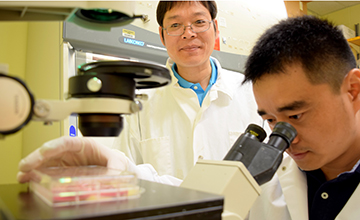
"Our study will first provide critical insights into the mechanistic basis by which direct inactivation of PTEN in muscle cells benefits the function of dystrophic muscle,” Feng Yue says. “More importantly, we aim to develop a potent pharmacological approach to target PTEN in dystrophic muscle, which could directly lead to the development of novel therapeutic applications for clinical treatment of DMD.”
Feng Yue, research associate scientist at Purdue University in West Lafayette, Ind., was awarded an MDA development grant totaling $175,409 over three years to evaluate the therapeutic potential of a protein called phosphatase and tensin homolog (PTEN) in Duchenne muscular dystrophy (DMD).
In DMD, muscles are more susceptible to injury but they cannot keep up with repair, which eventually leads to muscle loss and weakness.
With colleagues, Yue aims to develop potential therapies that promote regrowth of dystrophic muscle and, in turn, increase muscle strength. The team has developed a strategy that involves inhibiting the action of a natural protein that limits muscle cell growth, called PTEN.
In healthy muscle, the level of PTEN is very low, but it’s found in much higher levels in DMD-affected muscles.
Working with a preclinical mouse model of DMD, the team will first study whether inhibiting PTEN in muscle cells could boost muscle growth and increase muscle strength in DMD mice. The team will then work to develop a safe, high-efficiency pharmacological approach to specifically deliver a well-known PTEN inhibitor to the skeletal muscle of DMD mice, and examine its effect on muscle functional recovery.
If successful, Yue’s work could lead to the development of novel therapeutic strategies for clinical treatment of DMD.
Grantee: DMD – Feng Yue, Ph.D.
Grant type: Development Grant
Award total:
Institution:
Country:
Grant - Summer 2017 - All neuromuscular diseases (NMDs) – James Lupski, M.D., Ph.D., D.Sc. (hon)

“Obtaining a molecular diagnosis is extremely important for patients and families with NMDs,” James Lupski says, “as it provides recurrence risk information, relevant management of disease, can sometimes provide prognostic information, and can facilitate entry into disease-specific clinical trials.”
James Lupski, Cullen Professor of Molecular and Human Genetics and professor of pediatrics at Baylor College of Medicine in Houston, was awarded an MDA research grant totaling $300,000 over three years to facilitate new gene discovery and new biological insights into the pathobiology of a host of neuromuscular diseases (NMDs).
Determining genetic diagnoses in NMDs can be difficult due to the large number of disease-causing genes and significant heterogeneity, as well as overlap, in clinical symptoms between patients. With colleagues, Lupski aims to advance molecular diagnostics for NMD patients that remain undiagnosed after clinical diagnostic whole exome sequencing (WES), and enhance discovery of novel disease genes.
The team first will re-analyze clinical exome data in a research setting to confirm that the genetic cause, and thus a diagnosis, has not been missed. They will then perform exome sequencing for the patient’s parents and/or other family members in order to find spontaneous, or de novo, mutations and novel genes associated with NMDs. For cases that remain unsolved, they will then implement RNA sequencing from affected tissue, if available. The advantage of RNA sequencing from muscle tissue is that it can provide direct evidence of the functional impact of a mutation.
Lupski’s work will provide a direct benefit to individuals whose initial gene sequencing was not informative, by helping them obtain a molecular diagnosis. These results are important in informing disease management, prognosis and family planning decisions, and in helping determine eligibility for participation in disease-specific registries and clinical trials.
Hi work is also likely to lead to the discovery of new NMD-causing genes and improve our understanding of the mechanisms that can lead to disease in a wider array of individuals.
Grantee: All neuromuscular diseases (NMDs) – James Lupski, M.D., Ph.D., D.Sc. (hon)
Grant type: Research Grant
Award total:
Institution:
Country:
Grant - Summer 2017 - ALS – Udai Pandey, Ph.D.

"Udai Pandey says his team’s small molecule screening project could help identify drugs that might be useful for testing in vertebrate ALS models and, ultimately, in human clinical trials."
Udai Pandey, associate professor at the Children’s Hospital of Pittsburgh in Pennsylvania, was awarded an MDA research grant totaling $300,000 over three years to identify new drugs for ALS (amyotrophic lateral sclerosis) caused by a mutation in the FUS gene.
Pandey and colleagues are interested in understanding the basic mechanisms of FUS-mediated ALS and are working to identify drugs that can suppress mechanisms associated with the disease.
The team recently performed a large drug screen, using a library of 400,000 drugs in a yeast model of FUS-mediated neurodegeneration, and identified about 80 drugs that strongly suppress toxicities associated with FUS. Now they are working to follow up on testing these drugs in a fly model of FUS, as well as in nerve cells created from ALS patient stem cells.
If successful, Pandey’s pre-clinical studies may help identify potential drugs for ALS caused by the FUS gene or related forms of ALS that could be tested in clinical trials.
Grantee: ALS – Udai Pandey, Ph.D.
Grant type: Research Grant
Award total:
Institution:
Country:
Grant - Summer 2017 - ALS – Timothy Miller, M.D., Ph.D.

“For C9ORF72 ALS, dipeptide repeat protein (DPR) aggregation seems to be uncorrelated with degeneration in autopsy tissue,” Timothy Miller says. “Further, studies measuring levels of DPRs in various brain regions via immunoassay found few or no correlations between DPR concentration and clinical characteristics. Thus, while DPRs are an attractive target for therapeutics, there remains a missing link between promising cell/animal work and human disease.”
Timothy Miller, professor of neurology at Washington University in St. Louis, was awarded an MDA research grant totaling $282,417 over three years to shed light on ALS (amyotrophic lateral sclerosis) disease mechanisms.
The most common genetic cause of ALS is a hexanucleotide repeat expansion in the C9ORF72 gene, causing at least 30 percent of familial ALS and 5-10 percent of sporadic ALS cases. This repeat expansion causes the accumulation of abnormal dipeptide repeat proteins (DPRs), which aggregate in human tissues and have been found to be toxic in cellular and animal models. However, pathological characteristics of the DPRs do not seem to correlate with clinical characteristics or degenerative severity in patients, making it challenging to determine whether these DPRs directly contribute to degeneration in human ALS.
Using innovative methodologies, Miller and colleagues will investigate aspects of DPRs to determine their significance to human disease. The team will develop a novel way to understand DPR size in human tissues and cerebral spinal fluid (CSF), as well as a method to determine the turnover rate of DPRs in CSF of C9ORF72 expansion carriers. The turnover rate of DPRs may correlate with disease measures and could help define when and how to apply therapeutics.
The results from Miller’s work could have important implications in the understanding and treatment of C9ORF72 ALS. In addition, DPRs could serve as biomarkers that could directly inform the design of future clinical trials.
Grantee: ALS – Timothy Miller, M.D., Ph.D.
Grant type: Research Grant
Award total:
Institution:
Country:
Additional Grants 2017 - ALS - Iron Horse Diagnostics

Iron Horse Diagnostics in Scottsdale, Ariz., was awarded an MDA Venture Philanthropy (MVP) grant totaling $233,200 to support development of a prognostic (predictive) test for ALS (amyotrophic lateral sclerosis). Iron Horse Diagnostics Chief Scientific Officer Andreas Jeromin will serve as the principal investigator on the project.
The prognostic test will measure specific protein-based biomarkers in blood and cerebrospinal fluid that indicate the presence of neurodegenerative disease.
Such a test could help physicians predict the likely course of disease — for example, fast versus slow progression — in individuals with ALS, which could improve and accelerate clinical trials and speed the development of life-saving ALS drugs.
In addition to its usefulness in planning and conducting clinical trials, Iron Horse’s prognostic test could provide important information for individuals and families affected by ALS, informing discussion on, for example, how soon to shop for a power wheelchair; when a feeding tube or breathing assistance might be needed; and timing for everything from home modifications to assistive communication devices, to financial and end-of-life plans and decision-making.
About Iron Horse Diagnostics
Iron Horse Diagnostics is an early-stage biotech company focused on developing diagnostic and prognostic tests for neurological conditions with high unmet medical need. Founded in 2012 by Dr. Robert Bowser, Iron Horse has developed assays for ALS, traumatic brain injury/concussion and for multiple sclerosis relapse. Its European licensee, Euroimmun, launched Iron Horse’s ALS diagnostic test in Europe in June 2017. The U.S. launch for the ALS diagnostic test is set for late 2017.
Grantee: ALS - Iron Horse Diagnostics
Grant type: Venture Philanthropy Grant
Award total:
Institution:
Country:
Additional Grants 2016 - DM – Nicholas Johnson, M.D.

Nicholas Johnson, assistant professor of neurology, pediatrics and pathology at the University of Utah in Salt Lake City, was awarded a human clinical trial grant totaling $598,348 over three years to conduct a natural history study in congenital myotonic dystrophy (congenital DM1).
Congenital DM1 is the most severe form of myotonic dystrophy type 1, with onset of symptoms at birth that include weakness, breathing problems, feeding problems and clubfoot. During childhood, children often have intellectual impairment, fatigue, behavioral concerns and weakness. Currently, there are no available treatments.
Johnson will collect measurements in children with congenital DM1 of strength, cognition and quality of life, measured over the course of years, in order to determine how the disease progresses over time and how the symptoms of children with the disease differ from those of adults. The aim is to determine which of those measurements could best be used as meaningful clinical endpoints for future clinical trials in congenital DM1.
If successful, Johnson’s work could facilitate the initiation of clinical trials to test therapies for congenital DM1.
https://doi.org/10.55762/pc.gr.67022
Grantee: DM – Nicholas Johnson, M.D.
Grant type: Clinical Research Network Grant
Award total:
Institution:
Country:
Grant - Additional Grants 2017 - DM – Johanna Hamel, M.D.

Johanna Hamel, a neurologist at the University of Rochester in New York, was awarded a clinical research training fellowship for her work in comparative studies of RNA toxicity in myotonic dystrophy (DM). The two-year award — co-sponsored by MDA with the American Academy of Neurology and the American Brain Foundation — will provide a total of $130,000, including a $10,000-per-year stipend for tuition, to support Hamel’s work to shed light on the molecular processes that drive DM.
Current theories hold that the genetic defect underlying myotonic dystrophy (an abnormally expanded section of DNA, called a repeat expansion or, simply, a repeat) results in toxic RNA, which accumulates in the nucleus of the cell where it traps proteins important for normal cell function. However, this may not be the complete explanation, as it has been observed that the extent of proteins trapped does not correlate with the severity of patient symptoms. For example, it’s generally thought that the longer the repeat, the more toxic the RNA, the bigger the problems. However, while in type 2 myotonic dystrophy (DM2) the repeat lengths are usually much longer than in the type 1 form of the disease (DM1) and there seems to be more toxic RNA accumulating, DM2 is a milder disease. Understanding this discrepancy may shed light on other mechanisms involved in causing the disease.
Hamel is working to determine how the extent of toxic RNA accumulation and protein dysfunction in the muscle cell nucleus relates to signs and symptoms of patients.
If successful, Hamel’s work could lead to a better understanding of how and to what extent the RNA is toxic for the cell which will, in turn, help to define treatment goals for drug development.
Grantee: DM – Johanna Hamel, M.D.
Grant type: Clinical Research Training Grant
Award total:
Institution:
Country:
Grant - Additional Grants 2017 - Michael Benatar, M.D., Ph.D., and Jonathan Katz, M.D.
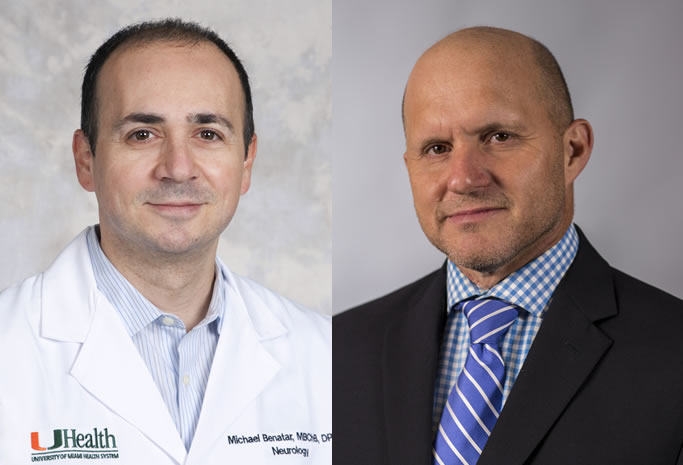
Michael Benatar, at the University of Miami Miller School of Medicine in Florida, and Jonathan Katz, at California Pacific Medical Center in San Francisco, were awarded a clinical research network grant to support their work on the Clinical Procedures To Support Research (CAPTURE) project, which aims to implement the “ALS Toolkit” within the Epic Electronic Health Record System. The ALS Toolkit provides a mechanism to systematize the collection of clinical data so that it can also be used for ALS (amyotrophic lateral sclerosis) research. The two-year award totaling $300,000 will support work conducted through Clinical Research in ALS and Related Disorders for Therapy Development (CReATe) aimed at lessening the burden on people with ALS to attend both clinical and research appointments. CReATe, a rare diseases clinical research consortium, is a member of the National Institutes of Health’s Rare Diseases Clinical Research Network.
Throughout the course of the disease, people with ALS require input and assistance from multiple health care professionals and, as a result, multidisciplinary clinics such as MDA ALS Care Centers are a key resource for ongoing medical management and care. Visits to care centers take several hours, and a substantial amount of clinical data (such as neurological examination results, quantification of respiratory muscle strength and motor function assessments) are routinely collected — much of it identical to the assessments performed at specialized research visits. However, data from these two types of visits are typically captured separately, necessitating separate appointments for people who, depending on the stage of their disease, may experience profound weakness, disability and difficulty associated with travel.
It has therefore been a longstanding goal of many ALS clinician-investigators to find ways to reduce the burden on patients by finding a way to regularly collect a standard data set at clinical appointments that can be used for research purposes as well.
With increasing penetration of the electronic medical record into academic medical centers, and the recently established collaboration between Benatar and Katz with Epic, a team will now develop and implement a novel ALS Toolkit (set of “smart forms”) within the electronic medical record system that will enable clinicians to collect standardized data that can serve both clinical and research purposes.
If successful, the work will support a fundamental change in practice that will provide people with ALS a simple and straightforward way to contribute to research that can accelerate progress towards treatments and cures.
Grantee: ALS – Michael Benatar, M.D., Ph.D., and Jonathan Katz, M.D.
Grant type: Clinical Research Network Grant
Award total:
Institution:
Country:
Grant - Additional Grants 2017 - Antonius Bunt

Izumi Biosciences in Lexington, Mass., was awarded an MDA Venture Philanthropy (MVP) grant totaling $96,360 to fund early-stage development of a type of IZ10023, a type of drug called a “pharmacokinetic (PK) enhancer,” for use in people with ALS (amyotrophic lateral sclerosis) who are taking riluzole. (Riluzole, marketed under the brand name Rilutek, was developed based on MDA-supported research on the neurotransmitter glutamate, and is the only drug approved by the U.S. Food and Drug Administration to treat ALS.)
IZ10023 targets and blocks two proteins in the brain and spinal cord that work to protect the central nervous system (CNS) by acting as pumps that remove foreign or toxic substances. In mouse studies it’s been shown that these pumps remove drugs such as riluzole, reducing levels of the drug in the CNS and thereby limiting its effectiveness.
President and CEO of Izumi Biosciences Antonius Bunt will serve as the principal investigator on the project.
“Blockade of these pumps maintains effective levels of riluzole in the diseased tissues and leads to improved outcomes in animal models of ALS and other brain diseases where multi-drug resistance is a key clinical bottleneck,” Bunt explained.
Confirmation that the pumps’ activity is increased in most ALS patients and demonstration that sufficient blood levels of IZ10023 can be achieved to block their activity are important milestones that must be achieved before moving IZ10023 into clinical trials in patients with ALS, Bunt noted. If the work is successful, Izumi Biosciences intends to open an Investigational New Drug Application and move into clinical trials — possibly as early as 2019.
Grantee: ALS - Antonius Bunt
Grant type: Venture Philanthropy Grant
Award total:
Institution:
Country:
Grant - Additional Grants 2016 - DM – Charles Thornton, M.D.

An MDA clinical research network grant totaling $918,000 over three years will spur advances in myotonic dystrophy (DM) research. The investment, which provides continued support for the Myotonic Dystrophy Clinical Research Network, will support five medical centers that specialize in DM research and clinical care.
Established in 2013, and supported by funding from MDA and other patient advocacy groups, the National Institutes of Health (NIH) and pharmaceutical company Biogen, the Network’s goals are to gain a more detailed understanding of the DM disease process and to collect data needed for clinical trials in order to inform what outcome measures, biomarkers and endpoints will be most appropriate.
“Now, for the first time, scientists and drug developers are coming up with good ideas about how to attack myotonic dystrophy at its root cause,” said Charles Thornton, a professor of neurology at the University of Rochester, who leads the Network and serves as its overall director. “The hope is that one of these new treatments will have a powerful effect, or that several can be used together.”
The Network was started, Thornton noted, to pave the way for testing new treatments in people.
All of the researchers in the network have free and unrestricted access to data generated at all of the sites. In addition, and to further support advances in DM research, the Network is committed to making access to study results broadly available to both academic and industry researchers in the United States and around the world.
Funding for this MDA research grant began Jan. 1, 2016.
Grantee: DM – Charles Thornton, M.D.
Grant type: Clinical Research Network Grant
Award total:
Institution:
Country:
Grant - Winter 2017 - DM – Thurman Wheeler, M.D.

Thurman Wheeler, assistant professor in the department of neurology at Massachusetts General Hospital in Boston, was awarded an MDA research grant totaling $330,000 over three years to develop biomarkers for myotonic dystrophy (DM) and other muscle disorders.
In the recently-concluded clinical trial testing a candidate antisense oligonucleotide (ASO) drug for DM type 1 (DM1), monitoring the potential drug effects required that patients undergo multiple muscle biopsies, a procedure that is invasive, painful, and, in pediatric patients, requires general anesthesia.
Wheeler and colleagues are working to develop biomarkers in human urine or blood that will reduce or eliminate the need for muscle biopsies to determine whether treatments are working; can be measured multiple times as needed during the trial, and will enable inclusion of children with myotonic dystrophy in upcoming trials.
Wheeler’s work, if successful, may be applicable to many different treatment strategies for both myotonic dystrophy types 1 and 2, as well as extend to other muscular dystrophies and neuromuscular disorders.
Funding for this MDA research grant began Feb. 1, 2017.
Grantee: Thurman Wheeler, M.D.
Grant type: Research Grant
Award total:
Institution:
Country:
Grant - Winter 2017 - DM – Araya Puwanant, M.D.

Araya Puwanant, assistant professor in the department of neurology at the University of Pittsburgh, was awarded an MDA research grant totaling $298,852 over three years to try to facilitate therapy development by identifying practical and reliable endpoints in myotonic dystrophy (DM).
Myotonic dystrophy is characterized by progressive muscle weakness, muscle stiffness, and multi-organ involvement. In recent years there has been significant progress in developing specific treatment for this condition, but there is a critical need to identify outcome measures that are sensitive and appropriate to monitor disease progression and therapeutic response in the disease.
Dual Energy X-ray Absorptiometry (DEXA) scan is a simple imaging technique that has been used to quantitate lean tissue mass in other forms of muscular dystrophy. However, this technique has not yet been carefully evaluated in DM.
With colleagues, Puwanant will test whether DEXA measurements in affected muscles may provide a sensitive endpoint that can be bridged to meaningful clinical outcomes for clinical trials in DM.
If successful, Puwanant’s work could help prepare for new clinical trials and drug approvals in DM by making available practical, cost-effective and time-efficient endpoint measures for DM-associated myopathy in multi-center setting.
Funding for this MDA research grant began Feb. 1, 2017.
https://doi.org/10.55762/pc.gr.67005
Grantee: Araya Puwanant, M.D.
Grant type: Research Grant
Award total:
Institution:
Country:
Grant - Winter 2017 - LGMD and CMD – Aaron Beedle, Ph.D.

Aaron Beedle, at Binghamton University – SUNY, in New York, was awarded an MDA research grant totaling $300,000 over three years to conduct preclinical studies of a potential therapeutic strategy for limb-girdle muscular dystrophy (LGMD) and congenital muscular dystrophy (CMD).
Dystroglycan-related muscular dystrophies are caused by abnormal processing of the protein alpha-dystroglycan. The abnormal processing impairs alpha-dystroglycan function, causing muscular dystrophy with variable involvement of the heart, brain and eyes. Dystroglycan-muscular dystrophies are caused by mutations in many different genes, making it difficult to develop gene therapy strategies because there are so many gene targets.
With colleagues, Beedle aims to test a pharmacological approach to inhibit a common intracellular pathway for growth and survival that involves a protein called mTOR. The team will conduct studies in a mouse model to test whether treatment with an mTOR inhibitor can improve muscle function, reduce pathology and extend lifespan, without causing adverse drug effects in the mice.
There preclinical studies will determine if inhibitor drug therapy can reduce disease severity in dystroglycanopathy mice, and translation of positive findings to the clinic could be quick since several FDA-approved drugs in this pathway are already in use in other diseases, including in some pediatric populations.
Funding for this MDA research grant began Feb. 1.
Grantee: Aaron Beedle, Ph.D.
Grant type:
Award total:
Institution:
Country:
Grant - Winter 2017 - FA – Manuela Corti, Ph.D.
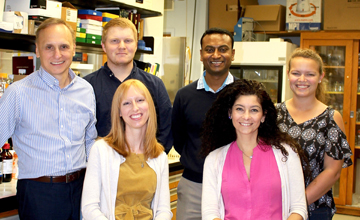
Manuela Corti, assistant professor in the department of pediatrics at the University of Florida in Gainesville, was awarded an MDA research grant totaling $298,954 over three years to study gene therapy in Friedreich’s ataxia (FA).
FA is caused by gene defects that result in insufficient levels of the frataxin protein in cells. With colleagues, Corti will work to establish a high-impact treatment for FA that involves delivering fully functioning frataxin genes to cells in the heart and nervous system.
The team will determine the best route of delivery for the frataxin gene, and test the safety of repeated delivery of the gene in combination with medications that will prevent immune-system reactions against the frataxin protein.
If successful, the work will help optimize gene therapy approaches to treat FA.
Funding for this MDA research grant began Feb. 1, 2017.
Grantee: Manuela Corti, Ph.D.
Grant type: Research Grant
Award total:
Institution:
Country:
Find MDA
in your Community
-

Search for Clinical Trials
Learn More -

Grants at a Glance
Read More