Science That Changes Lives
From breakthroughs in the lab to real-world progress—accelerating research that delivers results for families today.
Grant - Summer 2016 - ALS – Laura Ranum, Ph.D.
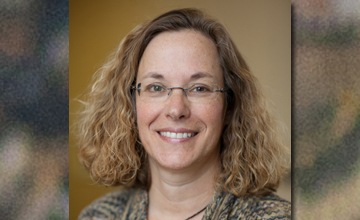
Laura Ranum, professor of molecular genetics and microbiology at the University of Florida in Gainesville, was awarded an MDA research grant totaling $146,712 over two years to develop an antibody therapy as a potential treatment for amyotrophic lateral sclerosis (ALS).
In 2011, Ranum and colleagues discovered that disease-causing “repeat expansion mutations,” in which short stretches of DNA are repeated extra times, can produce an unexpected type of mutant proteins that accumulate in patient brains. These proteins, called repeat associated non-ATG (RAN) proteins, have been shown to accumulate in a growing number of diseases including the most common genetic form of ALS and frontotemporal dementia (FTD) called C9ORF72 ALS/FTD.
Recently, the Ranum lab developed a new mouse model of this disease. These mice develop both ALS and dementia and are affected by devastating paralysis and neurodegeneration similar to what occurs in human patients.
In collaboration with Jan Grimm and colleagues at Neurimmune, the Ranum lab will test the therapeutic potential of human antibodies to target RAN proteins in the brains of the mice to see if treatments increase survival and decrease disease symptoms.
Ranum’s work will result in a greater understanding of the mechanisms behind ALS/FTD and may provide new treatment strategies urgently needed for ALS/FTD patients.
Funding for this MDA research grant began Aug. 1, 2016.
Grantee: ALS – Laura Ranum, Ph.D.
Grant type: Research Grant
Award total:
Institution:
Country:
Grant - Summer 2016 - ALS – Leonard Petrucelli, Ph.D.
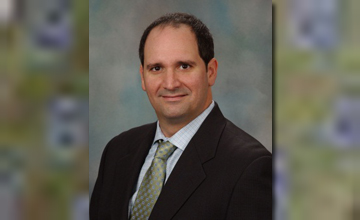
Leonard Petrucelli, professor and chair in the department of neuroscience at the Mayo Clinic in Jacksonville, Fla., was awarded an MDA research grant totaling $300,000 over a period of three years to shed light on critical disease mechanisms and drive more targeted therapeutics for amyotrophic lateral sclerosis (ALS).
Although a “repeat expansion mutation” (in which short stretches of DNA are repeated extra times) in the gene for C9ORF72 is the most common known cause of ALS to date, key questions remain unanswered: C9ORF72-associated ALS is characterized by the mislocalization and aggregation of the protein TDP-43, yet the connection between the repeat and this protein aggregation is unclear. Furthermore, the C9ORF72 repeat expansion is present throughout the central nervous system of patients, and yet only a specific subset of neurons (nerve cells) is susceptible to degeneration. This phenomenon of “selective neuronal vulnerability” is not well understood.
Recently, it was discovered that a very similar repeat expansion results in a disease known as Spinocerebellar Ataxia Type 36 (SCA36). Yet TDP-43 aggregation has thus far not been observed in SCA36 patients, and the disease is characterized by a different pattern of neurodegeneration than that found in ALS.
With colleagues, Petrucelli will focus on expressing the two repeats in the mouse nervous system and then using these models to determine which cellular and molecular processes are specifically disrupted by the presence of the C9ORF72 repeat. The work may reveal that any cellular functions that are affected by the expansion in C9ORF72, but not by the similar expansion associated with SCA36, are more likely to be responsible for TDP-43 aggregation and ALS-specific nerve cell death.
Funding for this MDA research grant began Aug. 1, 2016.
Grantee: ALS – Leonard Petrucelli, Ph.D.
Grant type: Research Grant
Award total:
Institution:
Country:
Grant - Summer 2016 - ALS – Tania Gendron, Ph.D.

Tania Gendron, assistant professor of neuroscience at the Mayo Clinic in Jacksonville, Fla., was awarded an MDA research grant totaling $285,000 over a period of three years to investigate the c9RAN protein as a potential biomarker to measure the effectiveness of promising treatments for C9ORF72 amyotrophic lateral sclerosis (C9ALS) and serve as a prognostic biomarker to predict disease progression.
With therapies in development for C9ALS, the most common form of ALS known to date, it is crucial to have biomarkers in place that can inform clinical studies. It’s been found that in C9ALS, there is an expanded piece of RNA (an intermediate step between the genetic instructions in DNA and the manufacturing of proteins). RNA from this expansion codes for the production of potentially harmful c9RAN proteins. Evidence that these c9RAN proteins are toxic has spurred the field to investigate therapeutic approaches to counteract it.
Gendron and colleagues previously have reported that poly(GP), one of the c9RAN proteins produced in C9ORF72 ALS, is present in cerebrospinal fluid (CSF) and in white blood cells. The team will study CSF and blood collected from C9ALS patients and investigate whether measurements of the protein can be associated with clinical features of the disease. In addition, the team will work with C9ALS patient cell lines and CSF from mice engineered to model the disease to probe the effectiveness of poly(GP) in predicting treatment response.
Funding for this MDA research grant began Aug. 1, 2016.
Grantee: ALS – Tania Gendron, Ph.D.
Grant type: Research Grant
Award total:
Institution:
Country:
Grant - Summer 2016 - ALS – Christi Kolarcik, Ph.D.

Christi Kolarcik, research associate at the University of Pittsburgh in Pennsylvania, was awarded an MDA development grant totaling $180,000 over a period of two years to investigate communication breakdown between nerve cells and muscles in amyotrophic lateral sclerosis (ALS). The work, co-funded by the American Association of Neuromuscular & Electrodiagnostic Medicine Foundation for Research and Education (AANEM), may help inform therapy development in ALS.
Communication between motor neurons (the nerve cells that lose function in ALS) and muscles occurs at the neuromuscular junction which is often compromised in neuromuscular disease. Motor neurons also connect with other nerve cells in the brain that aid the motor neurons in directing muscle movements. Multiple hypotheses exist on where these connections break down in ALS.
Kolarcik and colleagues will use a unique “systems level” approach to better understand the timeline of degeneration in the neural circuit as well as the contribution of other neuron types besides motor neurons. In studies conducted in a mouse model, the team will map the neural circuitry that controls motor neurons. This map will elucidate all the connections that exist from the muscle all the way up to other nerve cells connected to motor neurons in the brain. Kolarcik will study this nerve network during different disease stages, to determine how and when synaptic connections are affected as ALS progresses.
These studies will shed light on the time course of connectivity changes and transport deficits, and will provide insights into where within the neural network therapies should be targeted at various stages of disease.
Funding for this MDA development grant began Aug. 1, 2016.
Grantee: ALS – Christi Kolarcik, Ph.D.
Grant type: Development Grant
Award total:
Institution:
Country:
Grant - Summer 2016 - ALS – Heather Durham, Ph.D.

Heather Durham, professor in the department of neurology and neurosurgery at Montreal Neurological Institute, McGill University, Quebec, Canada, was awarded an MDA research grant totaling $299,017 over a period of three years to evaluate strategies that could prolong function of motor neurons, the nerve cells that lose function and die in amyotrophic lateral sclerosis (ALS).
ALS is a complex disease that involves widespread disruption of cellular functions. With colleagues, Durham has determined that the Neuronal Brg1/Brm Associated Factor (nBAF) protein complex is disrupted in the disease. nBAF regulates the expression of neuronal-specific genes that help neurons extend processes to connect to other neurons in the network. Key proteins in nBAF are lost in motor neurons in familial and sporadic ALS which could disrupt motor neuron connectivity and ultimately, result in motor neuron dysfunction.
Durham will examine the mechanisms involved in nBAF activity and function, and work to determine whether interventions in the pathway could have a protective effect on motor neurons.
An understanding of the key elements and processes associated with nBAF could pave the way toward new therapies for ALS that could help motor neurons function longer and stay connected in the network.
Funding for this MDA research grant began Aug. 1, 2016.
Grantee: ALS – Heather Durham, Ph.D.
Grant type: Research Grant
Award total:
Institution:
Country:
Grant - Winter 2016 - CMD - Mahasweta Girgenrath, Ph.D.

Mahasweta Girgenrath, an assistant professor at Boston University in Massachusetts, was awarded an MDA research grant totaling $200,000 over a period of two years to test the translational potential of pairing two different therapies in one of the most prevalent forms of congenital muscular dystrophy (CMD). This work will identify an optimal time window when a dual therapy will be most effective in a mouse model of MDC1A, and could inform progress towards the design of similar trials in humans.
Funding for this MDA research grant began Feb. 1, 2016.
Grantee: CMD - Mahasweta Girgenrath, Ph.D.
Grant type: Research Grant
Award total:
Institution:
Country:
Grant - Winter 2016 - SMA - Natalia Rodriguez Muela, Ph.D.
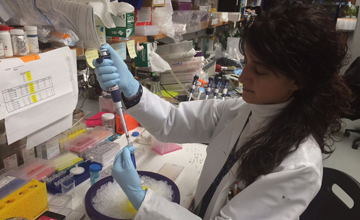
Natalia Rodriguez Muela, a postdoctoral fellow at Harvard University in Cambridge, Mass., was awarded an MDA development grant totaling $179,985 over a period of three years to deepen our understanding of what goes wrong in spinal muscular atrophy (SMA), a progressive disease caused by low levels of SMN protein. The work will focus on how the SMN protein is degraded in the cell in SMA. If the degradation pathway can be blocked, it could point to a potentially new, exciting approach to treat SMA.
Funding for this MDA research grant began Feb. 1, 2016.
Grantee: SMA - Natalia Rodriguez Muela, Ph.D.
Grant type: Development Grant
Award total:
Institution:
Country:
Grant - Winter 2016 - SMA - Steven Markus, Ph.D.
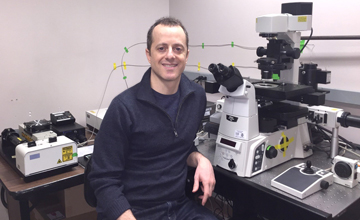
Steven Markus, assistant professor at Colorado State University in Fort Collins, Colo., was awarded an MDA research grant totaling $300,000 over a period of three years to study alterations in the dynein gene and their effects in spinal muscular atrophy (SMA) and amyotrophic lateral sclerosis (ALS). Alterations in the dynein gene disrupt the transportation highway in the cell responsible for delivering cargo to appropriate locations to promote cell growth, maintenance and division. Defects in this process compromise the survival and maintenance of several cell types, most notably motor neurons that communicate information from the spinal cord to muscles throughout the body. Markus’ work to elucidate the molecular basis for dynein dysfunction in motor neuron disease could lay the foundation to identify effective, targeted therapies.
Funding for this MDA research grant began Feb. 1, 2016.
Grantee: SMA - Steven Markus, Ph.D.
Grant type: Research Grant
Award total:
Institution:
Country:
Grant - Winter 2016 - SMA - Livio Pellizzoni, M.D.

Livio Pellizzoni, associate professor at Columbia University Medical Center in New York, was awarded an MDA research grant totaling $200,000 over two years to elucidate the underlying mechanisms of spinal muscular atrophy (SMA). Although several strategies to restore SMN levels have shown promising results in preclinical studies and are currently being tested in clinical trials, it remains essential to understand the still elusive mechanisms by which low SMN causes SMA and to define other therapeutic targets that can be pursued in parallel to SMN-enhancing approaches. To address these issues, Pellizzoni will determine whether disruption of a novel function of SMN in RNA regulation contributes to SMA pathology in a well-established mouse model that recapitulates many features of the human disorder. This work has the potential to identify new research avenues for the development of therapeutic approaches that could complement current strategies for upregulation of SMN.
Funding for this MDA research grant began Feb. 1, 2016.
Grantee: SMA - Livio Pellizzoni, M.D.
Grant type: Research Grant
Award total:
Institution:
Country:
Grant - Winter 2016 - SMA - Franco Pagani, M.D.

Franco Pagani, at the International Centre for Genetic Engineering and Biotechnology in Trieste, Italy, was awarded an MDA research grant totaling $224,950 over a period of three years to investigate a new therapeutic strategy for spinal muscular atrophy (SMA). Pagani will study a small RNA molecule called Exon Specific U1 (ExSpeU1), which may be able to correct the splicing defect in the SMN2 gene, resulting in restored SMN protein levels. His work could result in a therapy that will achieve higher SMN protein levels than drugs currently in clinical trials for SMA.
Funding for this MDA research grant began Feb. 1, 2016.
Grantee: SMA - Franco Pagani, M.D.
Grant type: Research Grant
Award total:
Institution:
Country:
Grant - Winter 2016 - SMA - Chris Lorson, Ph.D.

Chris Lorson, professor of veterinary pathology, and molecular biology and immunology at the University of Missouri in Columbia, was awarded an MDA research grant totaling $300,000 over a period of three years to optimize an approach currently in clinical trials for spinal muscular atrophy (SMA) by delivering an enhanced form of drug combined with other potential synergistic therapies. This work could provide evidence for an innovative combinatorial approach to SMA that would address a broad range of patient needs.
Funding for this MDA research grant began Feb. 1, 2016.
Grantee: SMA - Chris Lorson, Ph.D.
Grant type: Research Grant
Award total:
Institution:
Country:
Grant - Winter 2016 - periodic paralysis - Steve Cannon, M.D., Ph.D.

Steve Cannon, professor of physiology at the David Geffen School of Medicine at the University of California, Los Angeles, was awarded an MDA research grant totaling $300,000 over three years to investigate a new hypothesis about the underlying mechanisms involved in periodic paralysis. New preliminary studies in research models have revealed a profound loss of muscle force within minutes of recovery from exposure to high carbon dioxide levels, which Cannon and colleagues suggest may be a surrogate for the exercise-induced attacks of weakness that occurs in patients. Cannon and his team will investigate the mechanistic basis for exercise-induced weakness in periodic paralysis, will strategically select drugs that may block this process, and will test the potential of these drugs to foreshorten or prevent attacks of periodic paralysis.
Funding for this MDA research grant began Feb. 1, 2016.
Grantee: Periodic Paralysis - Steve Cannon, M.D., Ph.D.
Grant type: Research Grant
Award total:
Institution:
Country:
Grant - Winter 2016 - nemaline myopathy - Tamar Sztal, Ph.D.
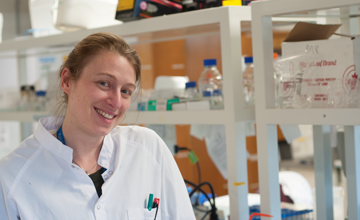
Tamar Sztal, a postdoctoral fellow at the School of Biological Sciences, Monash University, in Melbourne, Australia, was awarded an MDA development grant totaling $180,000 over a period of three years to screen more than 1,200 FDA-approved drugs in a zebrafish model of nemaline myopathy to determine which are most effective at increasing muscle function and reducing disease severity.
Funding for this MDA research grant began Feb. 1, 2016.
Grantee: nemaline myopathy - Tamar Sztal, Ph.D.
Grant type: Development Grant
Award total:
Institution:
Country:
Grant - Winter 2016 - nemaline myopathy - Alan Beggs, Ph.D.

Alan Beggs, professor of pediatrics at Children’s Hospital Boston, was awarded an MDA research grant totaling $300,000 over a period of three years to uncover new genes that cause nemaline myopathy in patients and families where the underlying cause has not yet been identified. To better understand the biological pathways that lead to disease and to aid the search for effective therapies, Beggs will then develop zebrafish, mouse and dog models containing the newly uncovered mutations.
Funding for this MDA research grant began Feb. 1, 2016.
Grantee: nemaline myopathy - Alan Beggs, Ph.D.
Grant type: Research Grant
Award total:
Institution:
Country:
Grant - Winter 2016 - MMD - Matthew Disney, Ph.D.

Matthew Disney, a professor at the Scripps Research Institute in Jupiter, Fla., was awarded an MDA research grant totaling $300,000 over a period of three years to optimize two novel, drug-like compounds — one that targets toxic RNA in myotonic muscular dystrophy and another that targets toxic RNA in amyotrophic lateral sclerosis (ALS). Using innovative methods they have developed, Disney and colleagues will study the compounds in patient-derived cells and mouse models to identify any off-target effects, which could cause side effects. This work could accelerate treatments for myotonic muscular dystrophy and ALS.
Funding for this MDA research grant began Feb. 1, 2016.
Grantee: MMD - Matthew Disney, Ph.D.
Grant type: Research Grant
Award total:
Institution:
Country:
Grant - Winter 2016 - MM - Pradeep Reddy Dubbaka Venu, Ph.D.

Pradeep Reddy Dubbaka Venu, a research associate at the Salk Institute for Biological Studies, La Jolla, Calif., was awarded an MDA development grant totaling $180,000 over a period of three years to test a potential method for preventing transmission of mitochondrial myopathies by selective elimination of defective mitochondrial DNA in oocytes (immature egg cells). The approach involves using enzymes called nucleases to act as “molecular scissors” that are able to precisely enter mitochondria and specifically identify and eliminate mutated mitochondrial DNA. The feasibility of the approach has been demonstrated in mouse embryos, where it successfully prevented the transmission of targeted mitochondrial DNA to the next generation. Dubbaka Venu and colleagues will test the safety and efficacy of the approach in human oocytes from mitochondrial disease patients. If successful, this work could lead to the first-in-history correction of genetic diseases at the oocyte level and the potential eradication of mitochondrial diseases.
Funding for this MDA research grant began Feb. 1, 2016.
Grantee: MM - Pradeep Reddy Dubbaka Venu, Ph.D.
Grant type: Development Grant
Award total:
Institution:
Country:
Grant - Winter 2016 - MM - Antoni Barrientos, Ph.D.
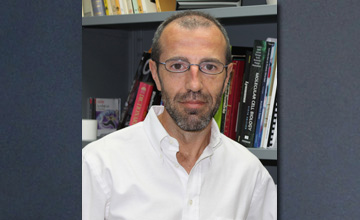
Antoni Barrientos, professor of neurology and of biochemistry and molecular biology at the University of Miami Miller School of Medicine in Miami, Fla., was awarded an MDA research grant totaling $300,000 over a period of three years to address a knowledge gap about mitochondrial protein complex assembly defects, which are a frequent cause of inherited mitochondrial myopathies. This project will not only improve our understanding of a process fundamentally central to mitochondrial processing, but also explore interventions that improve functioning and disease phenotypes.
Funding for this MDA research grant began Feb. 1, 2016.
Grantee: MM - Antoni Barrientos, Ph.D.
Grant type: Research Grant
Award total:
Institution:
Country:
Grant - Winter 2016 - LGMD - Monkol Lek, Ph.D.

Monkol Lek, senior research fellow at Massachusetts General Hospital in Boston, was awarded an MDA development grant totaling $119,746 over a period of two years to increase the diagnosis rate for limb-girdle muscular dystrophy (LGMD) through whole-genome sequencing. The work, co-funded by the American Association of Neuromuscular & Electrodiagnostic Medicine Foundation for Research and Education (AANEM), is expected to lead to the identification of novel neuromuscular disease genes, which will provide deeper understanding of common disease mechanisms. Future treatment development can then be prioritized to target common mechanisms in order to benefit a larger number of patients.
Funding for this MDA research grant began Feb. 1, 2016.
Grantee: LGMD - Monkol Lek, Ph.D.
Grant type: Development Grant
Award total:
Institution:
Country:
Grant - Winter 2016 - FSHD - Louis Kunkel, Ph.D.

Louis Kunkel, professor of genetics and pediatrics at Children’s Hospital in Boston, was awarded an MDA research grant totaling $300,000 over a period of three years to identify genetic modifiers in facioscapulohumeral muscular dystrophy (FSHD). Disease severity among patients with FSHD varies widely, and may reflect the various contributions of genetic modifiers — genes that minimize or exacerbate symptoms. To identify genetic modifiers, Kunkel will screen the human genome, then validate hits both by cross-referencing with patient data and by determining effects in a zebrafish research model.
Funding for this MDA research grant began Feb. 1, 2016.
Grantee: FSHD - Louis Kunkel, Ph.D.
Grant type: Research Grant
Award total:
Institution:
Country:
Grant - Winter 2016 - FSHD - Peter Jones, Ph.D.

Peter Jones, associate professor in cell and developmental biology and neurology at University of Massachusetts Medical School in Worcester, was awarded a research grant totaling $300,000 over a period of three years to develop a research mouse model for facioscapulohumeral muscular dystrophy (FSHD). A major obstacle to FSHD drug development has been the absence of a mouse model that effectively recapitulates the human disease symptoms. Jones and colleagues have engineered a mouse model that contains the human DUX4 gene, based on the widely accepted understanding that FSHD is caused by increased expression of the gene. Now the team will work to develop different versions of the mouse to represent various levels of human FSHD disease severity. Successful completion of the project will provide the FSHD field with valuable tools for understanding what happens in the disease and for preclinical screening of different classes of potential therapies aimed at DUX4 and downstream targets.
Funding for this MDA research grant began Feb. 1, 2016.
Grantee: FSHD - Peter Jones, Ph.D.
Grant type: Research Grant
Award total:
Institution:
Country:
Grant - Winter 2016 - DMD - Melissa Spencer, Ph.D.

Melissa Spencer, professor of neurology at the Regents of the University of California, Los Angeles, was awarded an MDA research grant totaling $450,988 over a period of three years to work with PTC Therapeutics on the development of a treatment for Duchenne muscular dystrophy (DMD). Expression of serum protein osteopontin is abnormally high in DMD patients and has been implicated in driving functional decline and increased fibrosis. In collaboration with PTC Therapeutics, Spencer aims to develop and test osteopontin inhibitors to block fibrosis and slow disease progression. This work will identify the best drug candidate among PTC Therapeutics’ lead compounds and will optimize its dosing regimen.
Funding for this MDA research grant began Feb. 1, 2016.
Grantee: DMD - Melissa Spencer, Ph.D.
Grant type: Research Grant
Award total:
Institution:
Country:
Grant - Winter 2016 - DMD - Alessandra Sacco, Ph.D.
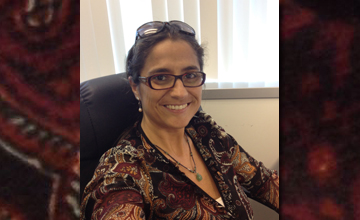
Alessandra Sacco, an associate professor at Sanford Burnham Prebys Medical Discovery Institute in San Diego, was awarded an MDA research grant totaling $297,837 over a period of three years to study the role the diseased microenvironment has on muscle stem cell function in Duchenne muscular dystrophy (DMD). Sacco and colleagues will modulate the sensitivity of muscle stem cells to the environment, and determine whether it promotes their effective expansion in dystrophic muscle, thus restoring their ability to repair damaged tissue and delay disease progression. This work will improve understanding of the progressive decline in tissue maintenance in DMD and inform the development of strategies to ameliorate DMD symptoms.
Funding for this MDA research grant began Feb. 1, 2016.
Grantee: DMD - Alessandra Sacco, Ph.D.
Grant type: Research Grant
Award total:
Institution:
Country:
Grant - Winter 2016 - DMD - Michael Rudnicki, Ph.D.

Michael Rudnicki, a professor at Ottawa Hospital Research Institute in Ontario, Canada, was awarded an MDA research grant totaling $300,000 over a period of three years to develop Wnt7a as a protein biologic for the treatment of Duchenne muscular dystrophy (DMD). Wnt7a increases satellite cell number and activity, thereby promoting repair in muscle. To test whether Wnt7a could serve as an effective therapy, Rudnicki will examine the effects of Wnt7a treatment on satellite cell expansion and muscle repair in a mouse model of DMD.
Funding for this MDA research grant began Feb. 1, 2016.
Grantee: DMD - Michael Rudnicki, Ph.D.
Grant type: Research Grant
Award total:
Institution:
Country:
Grant - Winter 2016 - DMD - Bradley Olwin, Ph.D.

Bradley Olwin, a professor at the University of Colorado, Boulder, was awarded an MDA research grant totaling $300,000 over a period of three years to investigate the role satellite cells play in muscle repair in Duchenne muscular dystrophy (DMD). Current dogma states that repair of dystrophic muscle eventually fails due to depletion of satellite cells. Olwin has reported evidence of another possiblity: impaired activation (not loss) of these satellite cells may slow repair. Olwin will investigate whether satellite cell activation can be stimulated by the deletion of syndecan-3, and whether such stimulation promotes muscle repair. Further, he will determine whether it will improve repair in mouse models of congenital muscular dystrophy (CMD) and limb-girdle muscular dystrophy (LGMD).
Funding for this MDA research grant began Feb. 1, 2016.
Grantee: DMD - Bradley Olwin, Ph.D.
Grant type: Research Grant
Award total:
Institution:
Country:
Grant - Winter 2016 - DMD - Ke Ma, M.D., Ph.D.
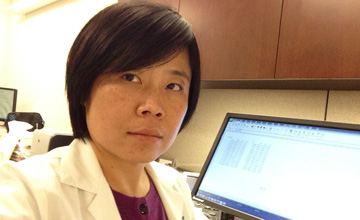
Ke Ma, an assistant professor at Houston Methodist Research Institute in Texas, was awarded an MDA research grant totaling $300,000 over a period of three years to investigate whether a new drug improves the repair ability of skeletal muscle and test its potential as a new therapy for Duchenne muscular dystrophy (DMD). Ma and colleagues will study how the drug promotes muscle stem cell functions to improve repair of diseased muscle and its function. They also will determine the mechanisms mediating the effects of this molecule and its molecular targets in a research mouse model. The outcomes from the studies will determine potential future applications of this new agent as a treatment for muscular dystrophy.
Funding for this MDA research grant began Feb. 1, 2016.
Grantee: DMD - Ke Ma, M.D., Ph.D.
Grant type: Research Grant
Award total:
Institution:
Country:
Find MDA
in your Community
-

Search for Clinical Trials
Learn More -

Grants at a Glance
Read More