Mitochondrial Myopathies (MM)
Mitochondrial Myopathies (MM)
What are mitochondrial myopathies?
Just as some diseases are named for the part of the body they affect (like heart disease), mitochondrial diseases are so named because they affect a specific part of the cells in the body. Specifically, mitochondrial diseases affect the mitochondria — tiny energy factories found inside almost all our cells.
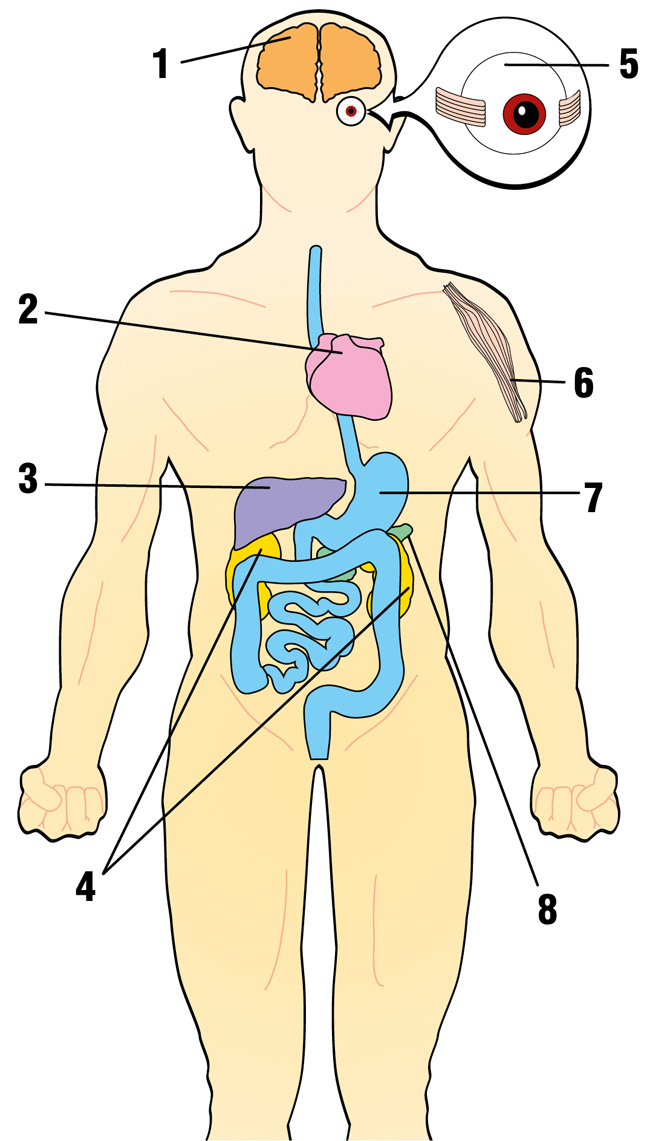
- Nervous system: Seizures, infantile spasms, spasticity, dystonia, developmental delays, sensorineural deafness, dementia, stroke-like episodes (often before age 40), visual defects, poor balance, peripheral neuropathy
- Heart: Cardiomyopathy (cardiac muscle weakness), conduction block, arrhythmia
- Liver: Liver failure (uncommon except in babies with mtDNA depletion syndrome), elevated liver enzymes, fatty liver (hepatic steatosis)
- Kidneys: Fanconi’s (renal tubular acidosis) syndrome (loss of essential metabolites in urine), nephrotic syndrome/FSGS (coenzyme Q10 deficiency, MELAS, KSS)
- Eyes: Drooping eyelids (ptosis), inability to move eyes (external ophthalmoplegia), blindness (retinitis pigmentosa, optic atrophy), cataracts
- Skeletal muscle: Muscle weakness, exercise intolerance, cramps, excretion of muscle protein myoglobin in urine (myoglobinuria), rhabdomyolysis, low muscle tone (hypotonia)
- Digestive tract: Difficulty swallowing, vomiting, feeling of being full, chronic diarrhea, symptoms of intestinal obstruction
- Pancreas: Diabetes mellitus, pancreatic insufficiency
A mitochondrial disease that causes prominent muscular problems is called a mitochondrial myopathy (myo means muscle, and pathos means disease), while a mitochondrial disease that causes both prominent muscular and neurological problems is called a mitochondrial encephalomyopathy (encephalo refers to the brain). See Types of Mitochondrial Myopathies for more on nine specific mitochondrial diseases.
What are the symptoms of mitochondrial myopathies?
Mitochondrial myopathies often cause muscular and neurological symptoms, such as muscle weakness, exercise intolerance, hearing loss, poor balance or coordination, seizures, and learning difficulties. These occur because muscle and nerve cells have especially high energy needs.
Other frequent complications include vision impairment, heart abnormalities, diabetes, and poor growth. Most individuals with mitochondrial disease experience a combination of these problems, which may occur together in defined clinical syndromes.
The underlying effects of mitochondrial disease — low cellular energy, oxidative stress, and lactic acidosis — can affect many organs, especially those with high energy requirements, such as the brain, heart, and skeletal muscle.
The diagram above depicts common symptoms of mitochondrial disease. Most people experience some, though rarely all, of these problems. For more, see Signs and Symptoms.
What causes mitochondrial myopathies?
Mitochondrial myopathies are caused by mutations, or changes, in genes — the cells' blueprint for making proteins. They are inheritable, although they can occur with no family history, and they often affect members of the same family in different ways. For more, see Causes/Inheritance.
What is the progression of mitochondrial myopathies?
The age of onset and progression of a mitochondrial myopathy varies greatly by type. See Types of Mitochondrial Myopathies for more information about the course of each disease.
What is the status of research on mitochondrial myopathies?
Scientists have identified many genetic defects that cause mitochondrial diseases and have used that knowledge to create animal models. Understanding the genetic defects that cause mitochondrial myopathies opens up the possibility of developing treatments for these diseases. See Research for more.
Additional reading
- Wen H, Deng H, Li B, Chen J, Zhu J, Zhang X, Yoshida S, Zhou Y. Mitochondrial diseases: from molecular mechanisms to therapeutic advances. Signal Transduct Target Ther. 2025 Jan 10;10(1):9. doi: 10.1038/s41392-024-02044-3. PMID: 39788934; PMCID: PMC11724432.
Last reviewed May 2026.
Looking for more information, support or ways to get involved?
Find MDA
in your Community
-

Search for Clinical Trials
Learn More -

Grants at a Glance
Read More