Science That Changes Lives
From breakthroughs in the lab to real-world progress—accelerating research that delivers results for families today.
Grant - Winter 2016 - ALS - Kim Staats, Ph.D.
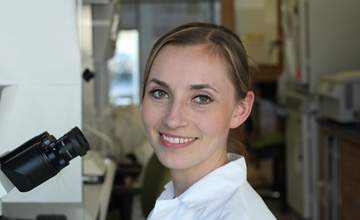
Kim Staats, a postdoctoral researcher at the University of Southern California in Los Angeles, was awarded an MDA development grant totaling $180,000 over a period of three years to study potential causes for sporadic amyotrophic lateral sclerosis (ALS). Using a cutting-edge approach to identify genetic contributors in sporadic ALS, Staats has found a new gene called SEC14L5 with ties to C9ORF72, the most common cause of familial ALS. Now she will elucidate the role of an identified SEC14L5 mutation in motor neuron death in ALS, increasing understanding of ALS disease mechanisms and facilitating the development of therapeutic strategies.
Funding for this MDA research grant began Feb. 1, 2016.
Grantee: ALS - Kim Staats, Ph.D.
Grant type: Development Grant
Award total:
Institution:
Country:
Grant - Winter 2016 - ALS - Thomas Philips, Ph.D.
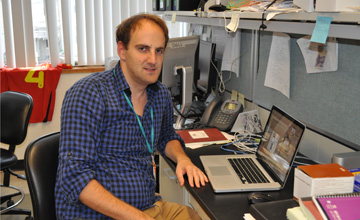
Thomas Philips, a postdoctoral researcher at Johns Hopkins University School of Medicine in Baltimore, was awarded an MDA development grant totaling $180,000 over a period of three years to validate a new drug target for amyotrophic lateral sclerosis (ALS). Philips will study monocarboxylate transporter 1 (MCT1), which mediates transport of essential nutrients from oligodendrocytes (neural support cells) to motor neurons and has been found to be dysregulated in ALS. An enhanced understanding of the role MCT1 transporters play in disease could pave the way to therapeutic interventions designed to restore metabolic support to motor neurons.
Funding for this MDA research grant began Feb. 1, 2016.
Grantee: ALS - Thomas Philips, Ph.D.
Grant type: Development Grant
Award total:
Institution:
Country:
Grant - Winter 2016 - ALS - Alex Parker, Ph.D.

Alex Parker, associate professor at the University of Montreal CHUM Research Center in Montreal, Quebec (Canada), was awarded an MDA research grant totaling $295,470 over a period of three years to study disease mechanisms and identify new therapeutic approaches in amyotrophic lateral sclerosis (ALS). Using an ALS worm model, Parker and colleagues discovered an immune system pathway that is inappropriately activated in ALS, contributing to cell death. Now he and his team will work to determine whether this inappropriate activation spans across multiple types of ALS, in addition to testing drugs to modify the pathway, potentially leading to new therapies for ALS patients.
Funding for this MDA research grant began Feb. 1, 2016.
Grantee: ALS - Alex Parker, Ph.D.
Grant type: Research Grant
Award total:
Institution:
Country:
Grant - Winter 2016 - ALS - Michael Miller, Ph.D.
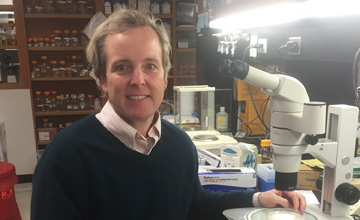
Michael Miller, professor at the University of Alabama at Birmingham, was awarded an MDA research grant totaling $300,000 over three years to study underlying mechanisms in amyotrophic lateral sclerosis (ALS) caused by mutations in the VAPB gene. In studies conducted in worms, flies, mice and humans, Miller and colleagues have demonstrated that VAPB protein is a circulating factor (found in blood and spinal fluid), which plays an important role in motor neuron and skeletal muscle energy metabolism. Miller’s work aims to increase understanding about whether low blood levels of the VAPB protein can predispose individuals to develop ALS. In addition, the results of his studies could lead to the use of VAPB protein as a biomarker for ALS and inform methods to increase VAPB levels as a potential therapy for patients.
Funding for this MDA research grant began Feb. 1, 2016.
Grantee: ALS - Michael Miller, Ph.D.
Grant type: Research Grant
Award total:
Institution:
Country:
Grant - Winter 2016 - ALS - Kathrin Meyer, Ph.D.
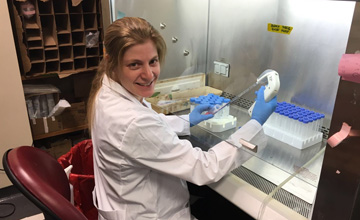
Kathrin Meyer, a postdoctoral researcher at Nationwide Children’s Hospital in Columbus, Ohio, was awarded an MDA development grant totaling $180,000 over three years to study the roles of cell types other than motor neurons in amyotrophic lateral sclerosis (ALS). Meyer will use new reprogramming techniques to generate cell types found in the central nervous system from patient skin biopsies and study them in a culture dish. In addition to increasing our understanding of the role these cells play in ALS, the model system may be used to compare cells from different patients in order to find properties associated with a slow or fast disease progression. Meyer’s work could lead to better methods in predicting patient clinical outcomes and grouping patients in clinical trials to maximize the potential for success.
Funding for this MDA research grant began Feb. 1, 2016.
Grantee: ALS - Kathrin Meyer, Ph.D.
Grant type: Development Grant
Award total:
Institution:
Country:
Grant - Winter 2016 - ALS - Jim Manley, Ph.D.

Jim Manley, JC Levi Professor of Life Sciences at Columbia University in New York, was awarded an MDA research grant totaling $299,445 over three years to study what goes wrong in ALS4, a form of amyotrophic lateral sclerosis (ALS) that begins in childhood or adolescence and is caused by mutations in the gene that encodes for the senataxin protein. Manley aims to investigate how the absence of senataxin protein affects autophagy, a cellular process that clears unwanted and defective components of cells and which, when disrupted, can lead to cell toxicity and ultimately cell death. Further knowledge of how this pathway is affected in ALS4 may inform the development of a targeted, therapeutic approach for this type of ALS and potentially other subtypes of the disease as well.
Funding for this MDA research grant began Feb. 1, 2016.
Grantee: ALS - Jim Manley, Ph.D.
Grant type: Research Grant
Award total:
Institution:
Country:
Grant - Winter 2016 - ALS - Evangelos Kiskinis, Ph.D.

Evangelos Kiskinis, assistant professor in the department of neurology & physiology at Feinberg School of Medicine, Northwestern School of Medicine in Chicago, was awarded an MDA research grant totaling $300,000 over three years to decipher the degree of mechanistic overlap in different forms of amyotrophic lateral sclerosis (ALS). Using cutting-edge technology, Kiskinis will activate ALS patient motor neurons in culture by shining a light on them to cause them to fire. Motor neurons from people with different forms of the disease will be examined to determine if their firing patterns are similar or divergent. Results from this work may yield insight into whether certain drugs will be broadly relevant to all ALS patients or, instead, work better for specific subgroups of patients.
Funding for this MDA research grant began Feb. 1, 2016.
Grantee: ALS - Evangelos Kiskinis, Ph.D.
Grant type: Research Grant
Award total:
Institution:
Country:
Grant - Winter 2016 - ALS - Nam Chul Kim, Ph.D.
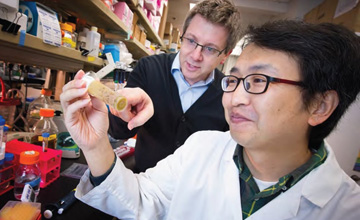
Nam Chul Kim, a postdoctoral associate at St. Jude Children’s Research Hospital in Memphis, was awarded an MDA development grant totaling $180,000 over a period of three years to study the disease-causing mechanism in amyotrophic lateral sclerosis (ALS) caused by mutations in the VCP gene. Kim will investigate the abnormal interaction between VCP protein and another protein called UBE4B and test whether inhibiting the interaction between the two proteins could be a useful therapeutic strategy.
Funding for this MDA research grant began Feb. 1, 2016.
Grantee: ALS - Nam Chul Kim, Ph.D.
Grant type: Development Grant
Award total:
Institution:
Country:
Grant - Winter 2016 - ALS - Claudio Hetz, Ph.D.
Claudio Hetz, a professor in the Faculty of Medicine at the University of Chile, was awarded an MDA research grant totaling $294,000 over a period of three years to study a potential new therapy aimed at rescuing motor neurons in amyotrophic lateral sclerosis (ALS). In ALS, some proteins do not fold into their required shape correctly, triggering stress-response pathways which can be detrimental to neurons. Hetz aims to use a gene therapy approach to target one of these stress response pathways, known as the “Unfolded Protein Response” (UPR). If successful, the work could point the way to a new therapeutic target at which to aim treatments for this fatal disease.
Funding for this MDA research grant began Feb. 1, 2016.
Grantee: ALS - Claudio Hetz, Ph.D.
Grant type: Research Grant
Award total:
Institution:
Country:
Grant - Winter 2016 - ALS - Asim Beg, Ph.D.

Asim Beg, assistant professor at University of Michigan in Ann Arbor, was awarded an MDA research grant totaling $300,000 over a period of three years to study the role of a protein, EphA4, in amyotrophic lateral sclerosis (ALS). High levels of EphA4 correlate with rapid disease progression in ALS patients. Beg and colleagues will work on the development of a strategy to reduce EphA4 levels. This work will provide insight into the molecular mechanisms of motor neuron degeneration and will facilitate new strategies to slow ALS disease onset and progression.
Funding for this MDA research grant began Feb. 1, 2016.
Grantee: ALS - Asim Beg, Ph.D.
Grant type: Research Grant
Award total:
Institution:
Country:
Grant - Winter 2016 - ALS - Paul August, Ph.D.

Paul August, at Sanofi, was awarded an MDA research grant totaling $298,500 over a period of three years to develop a neuron-muscle contraction unit on a chip. On the chip, developed using cells derived from people with amyotrophic lateral sclerosis (ALS), motor neurons will cause muscle cells to contract. The development of this innovative tool provides for a complete muscle-nerve unit, which could be used to test drugs and better understand the mechanisms behind motor neuron death in ALS.
Funding for this MDA research grant began Feb. 1, 2016.
Grantee: ALS - Paul August, Ph.D.
Grant type: Research Grant
Award total:
Institution:
Country:
Grant - Summer 2011 - CCD/MH — Susan Hamilton, Ph.D.
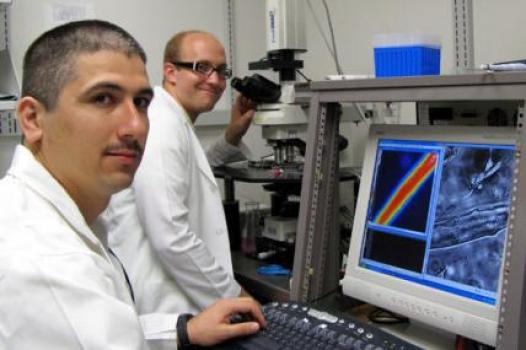
MDA has awarded a research grant totaling $375,000 over a period of three years to Susan Hamilton, L.F. McCollum Chair in Molecular Physiology, department of molecular physiology and biophysics at Baylor College of Medicine in Houston. The funds will help support Hamilton’s study of the molecular mechanisms underlying a wide spectrum of muscle disorders including central core disease (CCD) and malignant hyperthermia (MH).
CCD is caused by mutations in the cellular internal calcium release channel (the ryanodine receptor, or RYR1), which lead to an abnormality of calcium release from deep inside muscle fibers, and selective destruction of the cellular energy factories called mitochondria.
Malignant hyperthermia, closely associated with CCD, manifests as a sustained, life-threatening muscle contraction event triggered by certain types of anesthetics, some muscle relaxants or sometimes elevated temperatures.
Using a research mouse model that carries a mutation in the RYR1 gene, Hamilton’s research team will work to identify the processes that lead to mitochondrial destruction in CCD and environmental temperature sensitivity in malignant hyperthermia, with a special focus on the links between mitochondria and the intracellular calcium stores controlled by RYR1.
“MDA has played a major role in my career, beginning with a postdoctoral fellowship many years ago,” Hamilton said. “This fellowship supported my first foray into muscle research and led to my career-long commitment to studying skeletal muscle and skeletal muscle diseases.”
Funding for this MDA grant began August 1, 2011.
Grantee: CCD/MH — Susan Hamilton, Ph.D.
Grant type:
Award total:
Institution:
Country:
Grant - Summer 2011 - ALS — Clotilde Lagier-Tourenne, M.D., Ph.D.
Clotilde Lagier-Tourenne, a postdoctoral fellow at the University of California, San Diego, in La Jolla, was awarded an MDA development grant totaling $180,000 over a period of three years to study the roles of two proteins, TDP43 and FUS, in ALS (amyotrophic lateral sclerosis, or Lou Gehrig's disease).
ALS-causing mutations in the genes for two RNA binding proteins, TDP43 and FUS, appear to cause disruption in the processing of RNA (the chemical step that directs protein synthesis).
In a research mouse model, Lagier-Tourenne and colleagues have identified RNAs that TDP43 normally binds to, as well as abnormalities in the processing of RNA that occur when TDP43 is depleted.
Similarly, in their new work, the researchers plan to determine the role of FUS in the regulation of RNA in the mouse central nervous system.
The team's proposed set of studies is expected to identify a set of alterations to normal RNA processing that will define a TDP43- and FUS-dependent ALS disease signature.
"I am really grateful for the support from MDA," Lagier-Tourenne said. "It represents strong encouragement at this stage of my career and will allow me to extend my research on the role of RNA processing in neurodegeneration."
Funding for this MDA grant began August 1, 2011.
Grantee: ALS — Clotilde Lagier-Tourenne, M.D., Ph.D.
Grant type:
Award total:
Institution:
Country:
Grant - Summer 2011 - SMA — Lisa Baumbach, Ph.D.
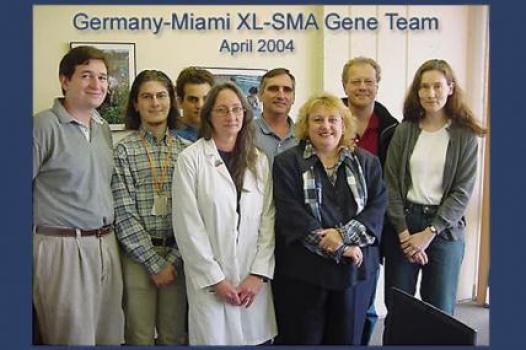
MDA has awarded a research grant totaling $387,228 over three years to Lisa Baumbach, associate professor in the departments of neurology, pediatrics and biochemistry at the Miller School of Medicine at the University of Miami. The funds will help Baumbach continue to search for disease-causing genes responsible for infantile (either X-linked or type 1) spinal muscular atrophy (SMA).
X-linked SMA is one of a group of disorders with a wide spectrum of overlapping characteristics that involve the muscle-controlling lower motor neurons. As a group, these diseases are known as infantile lower motor neuron diseases (ILMD). They manifest just prior to birth or in the newborn period, and generally are lethal.
The only identified causal gene for X-linked SMA is UBE-1, but it's suspected there may be others that have yet to be identified in the ILMD group.
Baumbach's new research focuses on finding additional disease genes and biological pathways responsible for causing X-linked SMA and the ILMD group of disorders, and on identifying potential genetic modifiers of the causal genes.
Favorable results could have implications for improving early disease detection and paving the way toward potential therapies.
"We are indebted to MDA staff, MDA supporters and the Board of Directors for their ongoing support," Baumbach said.
Funding for this MDA grant began August 1, 2011.
Grantee: SMA — Lisa Baumbach, Ph.D.
Grant type:
Award total:
Institution:
Country:
Grant - Summer 2011 - SBMA — Maria Pennuto, Ph.D.

MDA has awarded a research grant totaling $330,000 over three years to Maria Pennuto at the Italian Institute of Technology in Genova, Italy. The funds will help support Pennuto's continued studies of the molecular mechanisms underlying spinal-bulbar muscular atrophy (SBMA).
The mutation responsible for SBMA is in the gene for the androgen receptor protein.
Pennuto plans to test the hypothesis that activation of a particular molecule called protein kinase A will reduce accumulation and toxicity of the mutant androgen receptor and help protect the spinal cord in SBMA.
The project capitalizes on results obtained in the last three years from another project supported by MDA.
In that work, Pennuto and colleagues identified another protein kinase that confers protective effects on SBMA-affected skeletal muscle.
The team will use cellular models as well as mouse motor neuron cells and mouse models that express the mutant protein and mimic crucial features of the disease.
"The unique support of MDA has allowed us to pursue the investigation of the molecular mechanisms of SBMA," Pennuto said, noting that she and her research team can use what they've learned to help develop therapeutic approaches for SBMA and other motor neuron diseases.
Funding for this MDA grant began August 1, 2011.
Grantee: SBMA — Maria Pennuto, Ph.D.
Grant type:
Award total:
Institution:
Country:
Grant - Summer 2011 - Periodic Paralysis — Stephen Cannon, M.D., Ph.D.

MDA has awarded a research grant totaling $404,274 over three years to Stephen Cannon, professor of neurology and associate dean for undergraduate medical education at the University of Texas Southwestern Medical Center in Dallas. The funds will help support Cannon’s research into attacks of paralysis in people with periodic paralysis (PP).
Periodic paralysis is a muscle disorder in which affected individuals have transient attacks of muscle weakness lasting hours to days.
With prior support from MDA, Cannon and colleagues generated a mouse model for hypokalemic periodic paralysis, in which attacks are triggered by low blood potassium levels. Using the new mouse model, the team intends to establish how shifts in potassium level, exercise and stress trigger attacks of weakness.
Preliminary work already has identified several strategies to reduce the risk of an attack or to reduce the severity of weakness, through the use of available drugs or by modifying the level of muscular activity.
“Support from the MDA has been a vital component of our research program on myotonia and periodic paralysis for two decades,” Cannon said. “MDA’s commitment to funding investigation into the fundamental biology of these diseases has yielded many important advances.
“Through the generosity of donors and the wisdom of the MDA Board of Directors, important work on muscle disease has been able to not only continue, but also to flourish.”
Funding for this MDA grant began August 1, 2011.
Grantee: Periodic Paralysis — Stephen Cannon, M.D., Ph.D.
Grant type:
Award total:
Institution:
Country:
Grant - Summer 2011 - Myopathies — Alan Beggs, Ph.D.

Alan Beggs, a professor of pediatrics at Harvard Medical School and director of the Manton Center for Orphan Disease Research at Children's Hospital Boston, has been awarded an MDA grant totaling $396,990 over three years. The funds will help support Beggs' research on the molecular genetics of congenital myopathies.
These are a diverse group of inherited neuromuscular conditions that include myotonia congenita, paramyotonia congenita, central core disease (CCD), nemaline myopathy, myotubular myopathy (MTM) and other centronuclear myopathies (CNM), periodic paralysis (PP), and others, including some that have not yet been identified.
They all result from defects in skeletal muscle that lead to weakness or abnormalities of muscle contraction of variable onset and severity.
Beggs and his colleagues have built an extensive data registry and repository of samples from patients and their families, supported in part by MDA.
"This repository has led to the identification of the underlying gene defect for many individuals," Beggs said. "However, the responsible genes for up to half the cases remain unknown."
Beggs has now started screening for congenital myopathy-causing mutations in zebrafish and has discovered mutations in several genes that may be related to human neuromuscular diseases.
In this new project, Beggs and colleagues will determine the nature of these new gene mutations and their relationships to the muscle defects seen in the fish. They'll then use this information to identify people with analogous muscle findings, in whom they will analyze the genes identified in the zebrafish.
The affected fish also will allow the investigators to test drugs and other interventions to treat congenital myopathies.
"In 1996, MDA provided my very first grant to study muscle development and function," Beggs said, "and ever since then, it has been a constant source of support and encouragement for my efforts to understand and treat congenital myopathies."
Funding for this MDA grant began August 1, 2011.
Grantee: Myopathies — Alan Beggs, Ph.D.
Grant type:
Award total:
Institution:
Country:
Grant - Summer 2011 - Muscle Physiology — Samantha Harris, Ph.D.

Samantha Harris, an associate professor in the department of neurobiology, physiology and behavior at the University of California, Davis, has been awarded an MDA grant totaling $244,024 over two years. The funding will help Harris in her quest to determine the properties of a skeletal-muscle protein called myosin binding protein C.
Mutations in the gene for myosin binding protein C affect muscle contraction and could play a role in a number of muscle diseases.
"MDA support of this work comes at a pivotal time," Harris said, "not only for the opportunity it provides for making rapid inroads into our understanding of [muscle contraction abnormalities], but also for the opportunity it provides in opening up new research directions for my lab by fostering new collaborations. I am eager to get started!"
Funding for this MDA grant began August 1, 2011.
Grantee: Muscle Physiology — Samantha Harris, Ph.D.
Grant type: Research Grant
Award total:
Institution:
Country:
Grant - Summer 2011 - Muscle Physiology — Kristen Nowak, Ph.D.
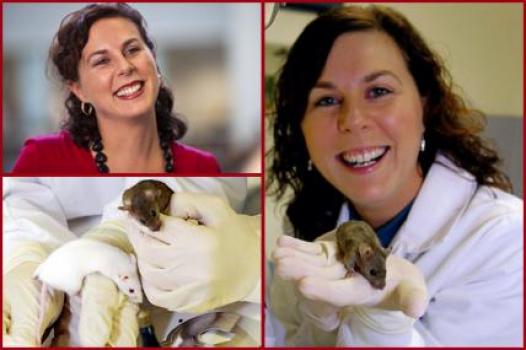
MDA awarded a research grant totaling $329,091 over two years to Kristen Nowak, an associate professor at the University of Western Australia in Perth, and the Western Australian Institute for Medical Research. The funds will support Nowak's study of diseases caused by defects in the skeletal muscle actin gene, which include "essentially any genetic neuromuscular disease that tends to be severe in some patients and mild in others."
Nowak's team will concentrate on development of a therapy for people with skeletal muscle actin diseases, while also looking for genetic modifiers of disease severity.
Using a research mouse model with severely affected skeletal muscle, the researchers will search for modifying genes that activate cardiac (heart) actin, or any other gene able to rescue the mice through another mechanism.
"Identified genes will become the focus of future studies determining how to utilize them to formulate treatments," Nowak said.
Nowak acknowledged the importance of MDA funding in both previous and current work.
"Being able to continue this work with the current project is of utmost importance, not only for patients with skeletal muscle actin disease and their families, but hopefully for people with other neuromuscular diseases as well."
Funding for this MDA grant began August 1, 2011.
Grantee: Muscle Physiology — Kristen Nowak, Ph.D.
Grant type: Research Grant
Award total:
Institution:
Country:
Grant - Summer 2011 - MM - Mito. Myopathy — Pere Puigserver, Ph.D.
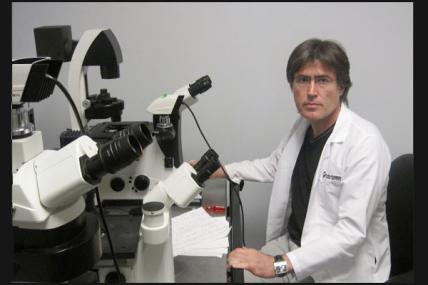
MDA has awarded a research grant totaling $313,551 over three years to Pere Puigserver, associate professor in the department of cancer biology at the Dana-Farber Cancer Institute, and department of cell biology at Harvard Medical School in Boston. The funds will help support Puigserver’s research into the study of two newly identified genes that may increase muscle performance in mitochondrial myopathies.
It’s known that activation of a gene called PGC1-alpha has the potential to be an effective treatment for mitochondrial myopathy in people with neuromuscular disorders, Puigserver explained. But it makes for a difficult “druggable” target.
Puigserver’s research team has identified two new genes, mTORC1 and YY1, that form new “teammates” that stimulate PGC1-alpha and increase healthy skeletal muscle performance. The two genes appear to be easily targeted by small molecules and other drugs.
The team will assess how the mTOR/YY1 complex activates PGC1-alpha, and then will perform a small-molecule chemical screen to identify compounds that activate PGC1-alpha in skeletal muscle cells modified with genetic mutations from people with myopathies.
“The importance of MDA funding for our project is crucial,” Puigserver said, providing “a unique avenue to accelerate research that can impact people with muscle diseases.”
Funding for this MDA grant began August 1, 2011.
Grantee: MM - Mito. Myopathy — Pere Puigserver, Ph.D.
Grant type:
Award total:
Institution:
Country:
Grant - Summer 2011 - MM - Mito. Myopathy — Edward Owusu-Ansah, Ph.D.
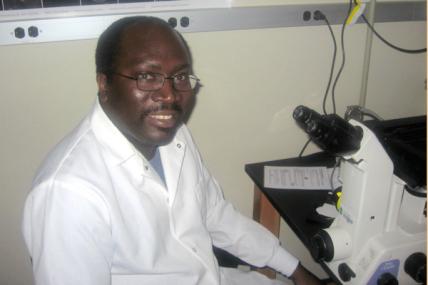
MDA has awarded a development grant totaling $180,000 over three years to Edward Owusu-Ansah, a postdoctoral fellow in the department of genetics at Harvard Medical School in Boston. The funds will help support Owusu-Ansah's research into the molecular mechanisms underlying mitochondrial myopathies.
A system consisting of five large protein complexes, known as the functional oxidative phosphorylation system, or OXPHOS, plays a crucial role in the generation of energy (ATP) in the cellular power factories known as mitochondria. Disruption of this system results in the compromise of a range of biochemical and metabolic activities in cells, resulting in mitochondrial myopathy.
In a fruit fly research model Owusu-Ansah plans to examine the intracellular signaling that contributes to mitochondrial myopathy, particularly with regard to one of the five larger protein complexes that is part of the OXPHOS system.
"Due to the extensive similarity between fruit fly and human genomes," Owusu-Ansah said, "I anticipate that information obtained from this study should uncover novel therapeutic strategies for alleviating mitochondrial myopathy in humans."
Funding for this MDA grant began August 1, 2011.
Grantee: MM - Mito. Myopathy — Edward Owusu-Ansah, Ph.D.
Grant type:
Award total:
Institution:
Country:
Grant - Summer 2011 - MM - Mito. Myopathy - Carlos Moraes
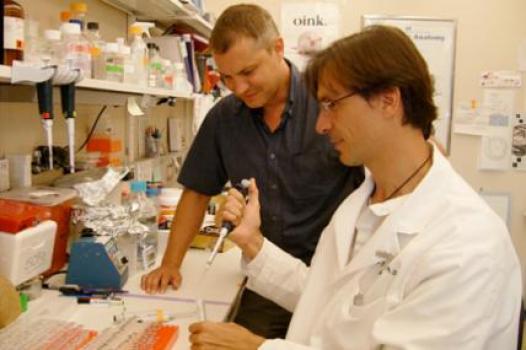
MDA awarded a grant totaling $363,672 to Carlos Moraes, professor of neurology at the University of Miami School of Medicine, to study the effects generated by an increase in functional mitochondria (the "energy factories" in cells) in mitochondrial myopathy.
In previous studies, Moraes and colleagues increased the production of new mitochondria (a process called "mitochondrial biogenesis") in the cells of mice with a disease resembling mitochondrial myopathy. The mice, which began receiving treatment during the embryonic stage of development, exhibited improved symptoms and prolonged life.
As part of their new work, Moraes and his team will test various methods, alone and in combination, of increasing production of mitochondria in adult mice with a disease similar to human mitochondrial myopathy. The investigators also will study whether endurance-based exercise increases production of mitochondria.
"This project may lead to improved treatment for mitochondrial myopathies," Moraes said.
Funding for this MDA grant began August 1, 2010.
Grantee: MM - Mito. Myopathy - Carlos Moraes
Grant type:
Award total:
Institution:
Country:
Grant - Summer 2011 - MD — Kathryn Wagner, M.D., Ph.D.

MDA has awarded a research grant totaling $362,760 over three years to Kathryn Wagner, an associate professor of neurology and neuroscience at the Johns Hopkins School of Medicine and director of the Center for Genetic Muscle Disorders at the Kennedy Krieger Institute, both in Baltimore.
The grant will help support Wagner's studies of how a muscle protein called myostatin regulates the fate of muscle stem cells. The studies may have particular application to Duchenne muscular dystrophy (DMD), Becker muscular dystrophy (BMD), congenital muscular dystrophy (CMD), facioscapulohumeral muscular dystrophy (FSHD) and limb-girdle muscular dystrophy (LGMD).
In most muscular dystrophies, muscle regeneration becomes less effective over time, and muscle is replaced by fibrosis (scar tissue).
"The factors that govern the establishment of fibrosis are not well-understood," Wagner said. "However, myostatin, a regulator of muscle growth, is one important factor in the development of fibrosis. In the absence of myostatin, muscle regenerates more quickly and with less fibrosis."
Wagner's studies will determine whether one of the cells that's important for muscle regeneration, a muscle stem cell called a satellite cell, can become misdirected and contribute to fibrosis. "The studies will specifically evaluate whether myostatin is a cue that directs satellite cells away from forming new muscle and toward fibrosis," Wagner said.
She noted that, if this hypothesis is correct, then anti-myostatin therapies could have an important role to play in stimulating muscle regeneration and reducing muscle fibrosis in a variety of diseases.
Funding for this MDA grant began August 1, 2011.
Grantee: MD — Kathryn Wagner, M.D., Ph.D.
Grant type: Research Grant
Award total:
Institution:
Country:
Grant - Summer 2011 - LGMD/IBM — Alfred Goldberg, Ph.D.
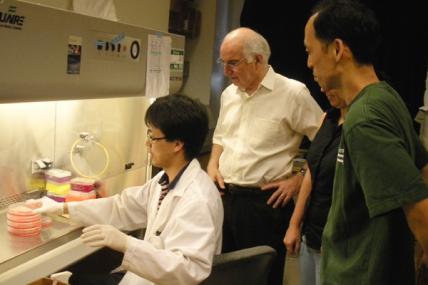
Alfred Goldberg, professor or cell biology at Harvard Medical School in Boston, has received an MDA research grant totaling $410,777 over three years to continue research into the mechanisms underlying muscle atrophy, with particular relevance for limb-girdle muscular dystrophy (LGMD) and possibly inclusion-body myositis (IBM).
In his previous work, Goldberg has helped clarify the general mechanisms of muscle atrophy resulting from motor neuron disease, inactivity, various systemic diseases and myopathies.
Goldberg and his research team will focus now on mechanisms that normally inhibit a protein called FoxO, which has been implicated in stimulating muscle protein breakdown.
Of particular interest to the team are two proteins, PGC1-alpha and SIRT1, both of which previously have been shown to inhibit FoxO function.
Further studies of these and other proteins' protective mechanisms could suggest new ways of combating muscle degeneration and atrophy.
"Over the years, my laboratory has received generous support from the Muscular Dystrophy Association, which has made possible a number of important findings about protein metabolism in muscle, and specifically about the mechanisms of muscle atrophy," Goldberg said. "My colleagues and I are very grateful for the support."
Funding for this MDA grant began August 1, 2011.
Grantee: LGMD/IBM — Alfred Goldberg, Ph.D.
Grant type:
Award total:
Institution:
Country:
Grant - Summer 2011 - LGMD/DD — Jennifer Levy, Ph.D.
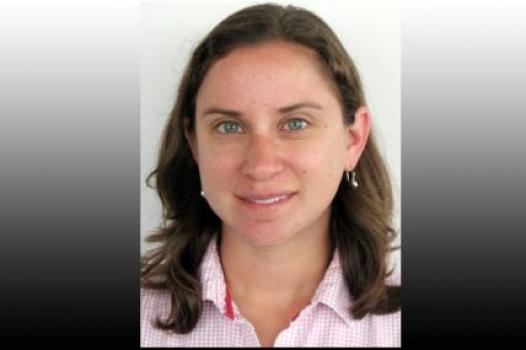
Jennifer Levy, a postdoctoral research fellow in the department of molecular physiology & biophysics at the University of Iowa Carver College of Medicine, has been awarded an MDA development grant totaling $180,000 over three years. (This type of grant reflects MDA's commitment to the career development of promising young researchers.) The funds will support Levy's research on repair of the muscle-fiber membrane.
Each muscle fiber is surrounded by a membrane that undergoes frequent rounds of damage and repair, assisted by a protein called dysferlin.
Dysferlin is deficient in the type 2B form of limb-girdle muscular dystrophy (LGMD) and the Miyoshi form of distal muscular dystrophy (DD). In these forms of MD, muscle-fiber membrane repair is ineffective and is accompanied by inflammation. However, the relationship between dysferlin deficiency and inflammation is not fully understood.
"I aim to identify the aberrant membrane repair mechanisms that compensate for the loss of dysferlin," Levy said, "and to determine if dysferlin-independent membrane repair signals immune cells to augment inflammation at sites of muscle injury."
She said identifying new factors that contribute to muscle inflammation in dysferlin-deficient patients may also lead to the discovery of new therapeutic strategies for other muscular dystrophies also associated with inflammation.
"MDA is critical to the funding of my research," Levy said. "As I am currently a postdoctoral research fellow, this funding will be beneficial in my development into an independent investigator."
Funding for this MDA grant began August 1, 2011.
Grantee: LGMD/DD — Jennifer Levy, Ph.D.
Grant type:
Award total:
Institution:
Country:
Find MDA
in your Community
-

Search for Clinical Trials
Learn More -

Grants at a Glance
Read More