Science That Changes Lives
From breakthroughs in the lab to real-world progress—accelerating research that delivers results for families today.
Grant - Spring 2014 - CMS/LGMD/PP - Jocelyn Laporte, Ph.D.
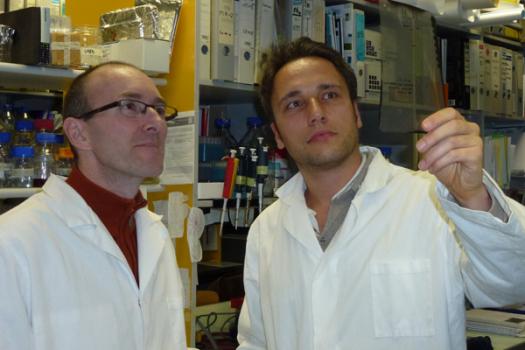
Jocelyn Laporte, a team leader at the Institute of Genetics and Molecular and Cellular Biology in Strasbourg, France, was awarded an MDA research grant totaling $253,800 over three years to develop drugs to treat certain types of congenital myasthenic syndromes (CMS), limb-girdle muscular dystrophy (LGMD) and periodic paralysis (PP) . Using cells taken from patients with these disorders and animals with conditions mimicking these disorders, Laporte and his colleagues will test the effects of drugs that act on the flow of calium. They will investigate whether drugs that act on cellular calcium should be developed as treatments for various muscle disorders and possibly for muscle aging.
Funding for this MDA grant began May 1, 2014.
Grantee: CMS/LGMD/PP - Jocelyn Laporte, Ph.D.
Grant type:
Award total:
Institution:
Country:
Grant - Summer 2012 - CMD — Kevin Campbell, Ph.D.
MDA awarded a research grant totaling $375,000 over three years to Kevin Campbell, professor of neurology and internal medicine at the University of Iowa in Iowa City. The funds will help support Campbell's study of a process called protein O-mannosylation in a mouse model of congenital muscular dystrophy (CMD).
O-mannosylation is an important protein modification that occurs in mammals. Diseases caused by O-mannosylation defects include severe muscular dystrophies characterized by profound muscle weakness as well as central nervous system impairment. Despite extensive efforts, the genetic causes of most occurrences of these diseases remain unknown.
The only known O-mannosylated protein is alpha-dystroglycan, which works in skeletal muscle to link connective tissue (the extracellular matrix) with the cellular framework or "scaffolding" known as the cytoskeleton.
Campbell aims to identify proteins that play a role in initiating O-mannosylation and then investigate their function in cell culture models. He also is working to generate a new O-mannosylation-deficient mouse model in which to study any newly identified proteins.
There is a critical need for better understanding of the mechanism responsible for this modification to develop new treatment options for O-mannosylation deficient disease, Campbell says. "Besides direct patient health benefits, identification of new players involved in protein O-mannosylation will open new avenues to understand O-mannosylation deficient muscular dystrophies."
Funding for this MDA grant began Aug. 1, 2012.
Grantee: CMD — Kevin Campbell, Ph.D.
Grant type:
Award total:
Institution:
Country:
Grant - Summer 2013 - DMD — Charles Gersbach, Ph.D.
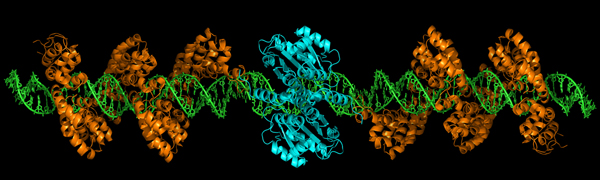
Charles Gersbach, assistant professor at Duke University in Durham, N.C., was awarded an MDA research grant totaling $300,000 over a period of three years to develop a new approach for gene therapy in Duchenne muscular dystrophy (DMD).
The most common gene therapy approaches in DMD involve supplying new dystrophin genes (the dystrophin gene is mutated in the disease), allowing the new genes to integrate into existing chromosomes or to remain outside the chromosomes. The first approach can potentially disrupt other genes, while the second only provides temporary therapy that requires frequent re-administration, raising risks.
“An exciting alternative to these approaches is a new technology, called genome editing, that can target the addition of therapeutic genes to specific sites in the genome or directly repair the disease-causing mutations [in existing genes],” says Gersbach. The technique is already being tested in early-stage clinical trials in HIV and cancer.
Genome editing holds the potential for fixing mutated genes permanently. The approach may apply to all genes and all kinds of mutations, including large deletions.
In this project, the overall objective is to engineer and test enzymes called nucleases to see if they can either deliver the dystrophin gene or repair existing mutant dystrophin gene sequences. The enzymes will be tested in cultured cells from DMD patients and in a mouse model of the disease.
“New technologies for gene delivery and gene modification are overcoming the challenges of translating gene therapy into correction of genetic diseases,” Gersbach says. “These technologies are expected to lead to dramatic advances in gene therapy in the next few years.”
Funding for this MDA grant began August 1, 2013.
Grantee: DMD — Charles Gersbach, Ph.D.
Grant type: Research Grant
Award total:
Institution:
Country:
Grant – Winter 2013 – DMD - Kay Davies, M.A., Ph.D.
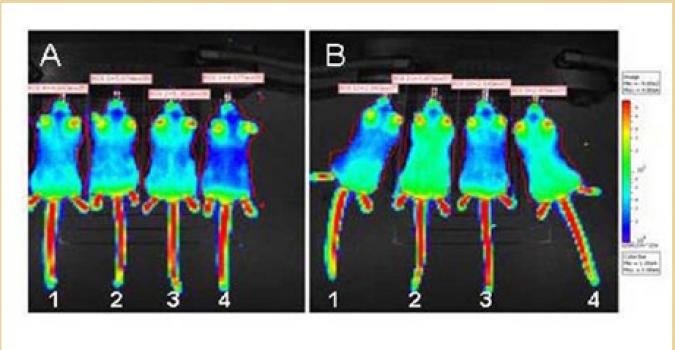
Dame Kay Davies, Dr. Lee’s Professor of Anatomy in the department of physiology, anatomy and genetics at the University of Oxford in the United Kingdom, was awarded an MDA research grant totaling $207,566 over a period of two years to conduct a drug screen for molecules that can increase levels of a protein called utrophin, which can be developed for clinical trials in Duchenne muscular dystrophy (DMD).
DMD is caused by a mutation that prevents formation of normal dystrophin protein. “Utrophin is very similar to the missing dystrophin protein,” Davies says, and it is unaffected in DMD. Increasing the amount of utrophin has been shown to be beneficial in a mouse model of DMD, indicating the potential for utrophin-increasing drugs in humans. Drugs may offer benefits that other treatment strategies don’t, she says, since they reach every muscle in the body (which has been a challenge for some other strategies), including the heart and the diaphragm.
Davies' drug development efforts (supported by a previous MDA research grant) already have led to an MDA-supported phase 1 safety trial of a compound called SMT C1100, and further trials are planned. At the same time, Davies wants to develop drugs that do the same job better. “We aim to develop ‘best in class’ drugs to follow on from this,” she says. “We have developed a new, more sensitive screening assay and have already found new hits [drug candidates] that work better than the original drug in tissue culture.” Those now will be tested in mouse models, and tinkered with to optimize their performance.
“We are at an exciting point in this research, and we are optimistic that we will be able to find a drug which will increase levels of utrophin to provide substantial clinical benefit,” Davies says.
Funding for this MDA grant began Feb. 1, 2013.
Grantee: DMD - Kay Davies, M.A., Ph.D.
Grant type: Research Grant
Award total:
Institution:
Country:
Grant - Additional Grants 2012 - Muscular Dystrophies — Center for Genetic Medicine Research (CGMR) — Kanneboyina Nagaraju
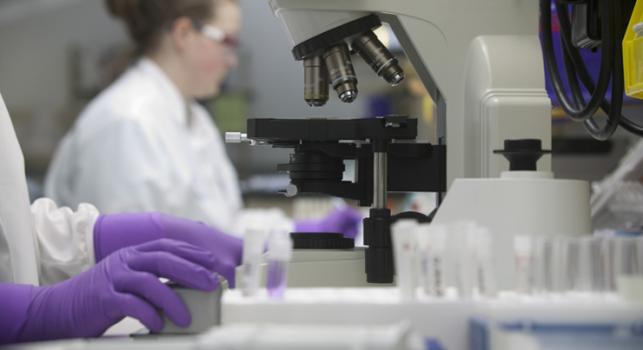
The Muscular Dystrophy Association has given a $300,000 grant to the Center for Genetic Medicine Research (CGMR) at Children’s National Medical Center in Washington, D.C., to continue standardized and reliable preclinical studies of neuromuscular diseases.
The MDA Translational Research Grant was awarded to CGMR's Kanneboyina Nagaraju, who directs the Murine Functional Testing Core Facility. It's the largest preclinical drug testing facility for neuromuscular disease models.
The facility helps advance drug development by testing drugs and other experimental treatments in mouse models of neuromuscular disease, allowing researchers to obtain information about how a treatment is likely to influence a disease course.
The U.S. Food and Drug Administration (FDA) generally require this type of preclinical study before it allows new substances to be tested in humans.
Several strains of mice with various neuromuscular diseases are maintained at the facility, including some with rare forms of muscular dystrophy that are not widely available.
Grantee: Muscular Dystrophies — Center for Genetic Medicine Research (CGMR) — Kanneboyina Nagaraju
Grant type: Research Grant
Award total:
Institution:
Country:
Grant - Additional Grants 2013 - DMD/BMD — Jeffrey Chamberlain, Ph.D.
Jeffrey Chamberlain, a molecular biologist at the University of Washington, Seattle, was awarded an MDA grant of $328,628 over one year (through Jan. 31, 2014) to develop gene therapy delivery vehicles ("vectors") for gene transfer in Duchenne muscular dystrophy (DMD) and Becker muscular dystrophy (BMD). Chamberlain will develop gene transfer vectors derived from adeno-associated viruses (AAVs). They'll be designed to carry miniaturized versions of the gene for the dystrophin protein, which is missing in DMD-affected muscles and deficient in muscles affected by BMD. The studies are directly related to moving gene therapy for DMD/BMD into clinical trials.
Grantee: DMD/BMD — Jeffrey Chamberlain, Ph.D.
Grant type: Research Grant
Award total:
Institution:
Country:
Grant - Spring 2014 - ALS - Muralidhar Hegde, Ph.D.

Muralidhar Hegde, a professor at the Houston (Texas) Methodist Research Institute, was awarded an MDA research grant totaling $253,800 over three years to study whether deficient repair of DNA strand breaks by a protein called TDP43 is involved in amyotrophic lateral sclerosis (ALS) causation. Hegde will conduct experiments in mouse and human cells and says the result could lead to a “major paradigm shift in our understanding of ALS pathology” and “open up new avenues for therapeutic interventions.”
Funding for this MDA grant began May 1, 2014.
Grantee: ALS - Muralidhar Hegde, Ph.D.
Grant type:
Award total:
Institution:
Country:
Grant - Additional Grants 2013 - DMD/BMD — ARMGO Pharma

MDA has awarded $1 million to biopharmaceutical company ARMGO Pharma for development of a new strategy for treating Duchenne muscular dystrophy (DMD) or Becker muscular dystrophy (BMD).
The award supports laboratory work that will enable the company to submit an investigational new drug (IND) application to the U.S. Food and Drug Administration. (An IND application is a step a company must take before it can test a new drug in humans.) Receiving an IND approval will allow ARMGO Pharma to prepare for clinical trials with ARM210 in healthy volunteers and for subsequent clinical studies in people with DMD.
The experimental class of compounds — which ARMGO calls Rycal drugs — is designed to normalize the way skeletal muscle fibers and heart muscle cells handle calcium.
The lead compound, ARM210, is aimed at treating DMD or BMD, which are caused by mutations in the dystrophin gene. However, the strategy is not dependent on the specific disease-causing genetic mutation and potentially could have application to other muscle disorders.
Grantee: DMD/BMD — ARMGO Pharma
Grant type: Development Grant
Award total:
Institution:
Country:
Grant - Spring 2014 - ALS - Maurizio Grimaldi, M.D., Ph.D.
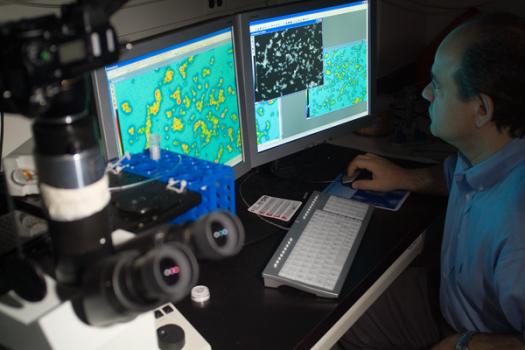
Maurizio Grimaldi, leader of the Neuropharmacology/Neuroscience Laboratory at Southern Research Institute in Birmingham, Ala., was awarded an MDA research grant totaling $253,800 over three years to study the development of molecules that have neuroprotective effects and have the potential to be used as therapies for the treatment of amyotrophic lateral sclerosis (ALS).
Grimaldi and colleagues have found that two molecules — SR22818 an SR22819 — increase levels of a potentially neuroprotective protein called SOD2 in brain cells. These two molecules were safe and well-tolerated in mice, and they increased life expectancy and improved neurologic symptoms in mice with an ALS-like disease.
Grimaldi plans to improve on these molecules and pursue their development as potential therapies for ALS.
Funding for this MDA grant began May 1, 2014.
Grantee: ALS - Maurizio Grimaldi, M.D., Ph.D.
Grant type:
Award total:
Institution:
Country:
Grant - Additional Grants 2012 - DMD/BMD — Tivorsan Pharmaceuticals

MDA has awarded $1 million to Tivorsan Pharmaceuticals for development of TVN-102, an experimental treatment for Duchenne muscular dystrophy (DMD) and Becker muscular dystrophy (BMD).
The award was made through MDA's Venture Philanthropy (MVP) arm, part of MDA's translational research program. Tivorsan is a biotechnology company located in Providence, R.I.
TVN-102 is an experimental drug based on biglycan, a naturally occurring protein found in the membrane surrounding each muscle fiber. Biglycan is part of a cluster of proteins located at intervals in the membrane. These shock-absorbing clusters appear to protect the membrane as muscle fibers contract and relax.
Tivorsan hopes to have completed animal testing and other FDA-required studies of TVN-102 and to request permission for human trials of the drug by late 2012. The company hopes to begin human testing of TVN-102, probably in healthy volunteers without DMD or BMD, in 2012 or 2013.
If the preliminary studies show the drug is safe and well-tolerated and that it has the potential to be effective in treating DMD or BMD, tests in people with one of these diseases will likely follow.
Grantee: DMD/BMD — Tivorsan Pharmaceuticals
Grant type:
Award total:
Institution:
Country:
Grant - Spring 2014 - ALS - Amanda Haidet-Phillips, Ph.D.
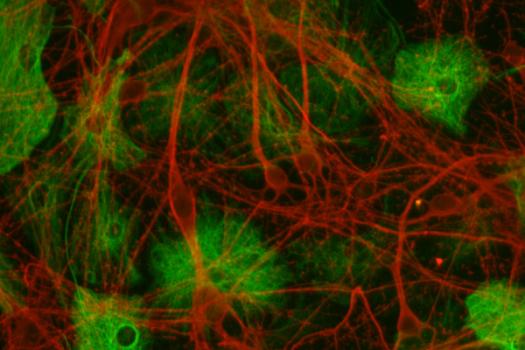
Amanda Haidet-Phillips, a postdoctoral student at Johns Hopkins University School of Medicine in Baltimore, was awarded an MDA research development grant totaling $150,717 over three years to investigate how cells known as upper motor neurons, located in the top part of the brain, degenerate in amyotrophic lateral sclerosis (ALS). Recently, nervous system support cells called astrocytes were found to cause the death of lower motor neurons, located in the brainstem and spinal cord, and Haidet-Phillips will study whether astrocytes also kill upper motor neurons. By conducting experiments in cells, she hopes to find clues to upper motor neuron loss in ALS and uncover leads to therapy development.
Funding for this MDA grant began May 1, 2014.
Grantee: ALS - Amanda Haidet-Phillips, Ph.D.
Grant type:
Award total:
Institution:
Country:
Grant – Winter 2013 – DMD - Joan Taylor, Ph.D.

Joan Taylor, associate professor of pathology at the University of North Carolina in Chapel Hill, was awarded an MDA research grant totaling $396,000 over a period of three years to study how muscle cells repair damaged membranes.
When a muscle contracts, it puts a great stress on the membrane that surrounds and encloses the muscle cell. That stress is reduced, and the membrane protected from rupture, by proteins that link the inside of the cell to the outside. Those proteins include dystrophin and the dystroglycan complex. Mutations in these proteins are the cause of Duchenne muscular dystrophy (DMD) and other forms of muscular dystrophy, which are characterized by repeated tears in the muscle cell membrane.
Membranes can repair themselves, says Taylor, “however, the specific mechanisms by which this occurs are incompletely understood.” Her team has identified a protein called GRAF1 that appears to be intimately involved in the repair process, and she has developed a mouse model to explore the function of GRAF1. She will now fully test the hypothesis that GRAF1 is necessary to promote membrane re-sealing, using a laser-based membrane injury model in skeletal muscle cells to identify the underlying mechanisms.
Taylor also will explore the capacity of GRAF1 (administered by a gene-therapy-based approach) to diminish muscle pathology in dystrophic mice. “These studies will undoubtedly lead to new and important directions for therapies to target a multitude of congenital dystrophies,” she says.
Funding for this MDA grant began Feb. 1, 2013.
Grantee: DMD - Joan Taylor, Ph.D.
Grant type: Research Grant
Award total:
Institution:
Country:
Grant - Summer 2013 - DMD — Carmen Bertoni, Ph.D.
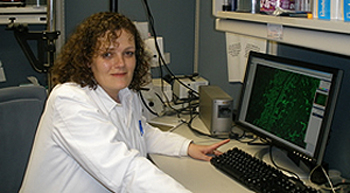
Carmen Bertoni, assistant professor of neurology at the University of California, Los Angeles, was awarded an MDA research grant totaling $300,000 over a period of three years to advance gene-editing strategies forDuchenne muscular dystrophy (DMD).
DMD is caused by a mutation in the dystrophin gene. Standard gene therapy techniques have focused on supplying an unmutated dystrophin gene to muscle cells. An alternative strategy, called gene editing, seeks to correct the mutant gene itself.
“Our research group [with MDA funding] has pioneered the use of gene editing strategies for the dystrophin gene to permanently correct the DNA,” Bertoni says.
The gene-editing toolkit is growing, and in this project, Bertoni will compare the correction efficiency of two different methods. Both specifically target the mutant sequence in the gene, and harness elements of the cell’s own “quality control” system to correct the mutation. The comparison will be performed first using muscle cells isolated from a mouse model for DMD, and then in the mice themselves, to determine the feasibility of using this technology in people.
The repair process is simple to describe, but complicated in practice. The therapy needs to reach many different muscle fibers, cross the dense and protective structure that surrounds every fiber, reach the cell nuclei and ultimately the dystrophin gene, and then direct the gene correction process. Finally, the amount of dystrophin expression achieved after correction needs to be sufficient to sustain muscle function over a prolonged period of time.
“Every one of these steps is necessary to ensure a safe and effective therapy in patients,” says Bertoni. “Altogether these studies have the potential to significantly advance the field of gene correction into a clinical scenario for the treatment of DMD.”
Funding for this MDA grant began August 1, 2013.
Grantee: DMD — Carmen Bertoni, Ph.D.
Grant type: Research Grant
Award total:
Institution:
Country:
Grant - Additional Grants 2013 - DMD — Robert Griggs, M.D.

Robert Griggs, a professor of neurology at the University of Rochester in New York state, received an MDA grant of $237,316 over three years to cover travel costs for North American participants in a clinical trial of prednisone and deflazacort, two corticosteroid drugs used to treat Duchenne muscular dystrophy (DMD). The average participant and his parent or guardian will have to stay overnight near the trial site to complete all procedures at each visit — a considerable expense for many families.
In an attempt to balance the side effects and benefits of corticosteroids for DMD, multiple dosing regimens have been in use. This multinational trial, known as FOR-DMD, will compare the three most widely used regimens of two corticosteroids to determine the optimal dosing schedule.
Grantee: DMD — Robert Griggs, M.D.
Grant type: Development Grant
Award total:
Institution:
Country:
Grant – Winter 2013 – DMD - Gordon Lynch, Ph.D.

Gordon Lynch, head of the department of physiology at The University of Melbourne in Victoria, Australia, was awarded an MDA research grant totaling $405,000 over a period of three years to study the potential of heat shock proteins for treatment of Duchenne muscular dystrophy (DMD). Heat shock proteins help cells fold other proteins properly, and deal with stresses from a variety of sources. The new grant complements previous MDA-funded research by Lynch into strategies aimed at improving muscle function in DMD.
“Muscle wasting and weakness are major symptoms of many muscular disorders, including Duchenne muscular dystrophy,” Lynch says. “Although considerable efforts are being directed to the development of gene therapies for DMD, these techniques are far from perfected. In the interim, alternative therapies need to be developed, and research directed to preserving muscle fibers, enhancing muscle regeneration and promoting muscle growth.”
Recently, Lynch discovered that increasing the levels of heat shock proteins in muscle fibers can reduce the damage that occurs in mouse models of DMD.
"There are important and unresolved questions regarding the potential of heat shock proteins for clinical application to DMD and related disorders,” Lynch says. He will be studying whether increasing the levels of these proteins, specifically one called Hsp72, in older dystrophic mice can offer the same benefits as seen in younger ones, and whether beneficial effects are seen in the heart, an important target in the treatment of DMD. He also will study the potential of increasing the levels of these proteins in other forms of muscular dystrophy.
“Elucidating the full therapeutic potential of Hsp72 induction in the skeletal and cardiac muscles of various models of muscular dystrophy will facilitate the development of a novel treatment to improve both skeletal and cardiac muscle function and quality of life for patients with muscular dystrophy,” Lynch says.
Funding for this MDA grant began Feb. 1, 2013.
Grantee: DMD - Gordon Lynch, Ph.D.
Grant type: Research Grant
Award total:
Institution:
Country:
Grant - Summer 2013 - CMT — Peter Hiesinger, Ph.D.
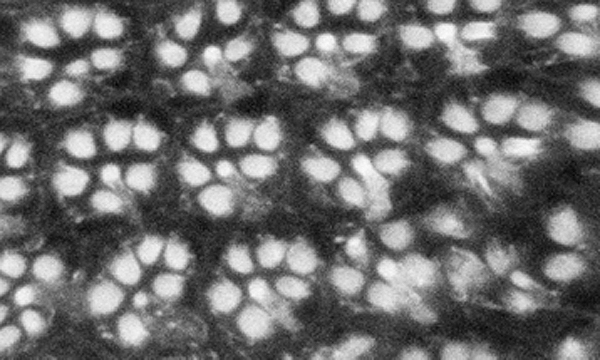
Peter Hiesinger, associate professor at the University of Texas Southwestern Medical Center in Dallas, was awarded an MDA research grant totaling $300,000 over a period of three years to investigate the causes of type 2B Charcot-Marie-Tooth disease (CMT2B).
CMT2B is caused by mutations in a gene called rab7. The protein made from the gene performs a critical function in the degradation of debris in all cells. “Even though the gene is known, it is unclear how the mutations found in patients affect the gene’s function,” Hiesinger says. Without knowing how the mutation causes disease, it is difficult to design a therapy to treat it. He has developed models of the disease that suggest the mutation causes the protein to no longer be active, and that this loss of function affects nerve cells before other cells in the body.
“Our findings explain the genetic dominance [only one mutant copy of the gene, from either parent, is needed to develop the disease] and reveal a particular sensitivity of nerve cells for a defect in debris removal,” says Hiesinger. “This discovery opens the door for an understanding and a potential therapy of CMT2B based on the molecular manipulation of the underlying cause.
“Importantly,” he adds, “we suggest an increase of rab7 function as a therapeutic opportunity, in contrast to the currently suggested reduction of mutant gene function.”
In this project, Hiesinger will test this hypothesis of disease in a fly model of CMT2B and investigate rab7 function in detail.
Funding for this MDA grant began August 1, 2013.
Grantee: CMT — Peter Hiesinger, Ph.D.
Grant type:
Award total:
Institution:
Country:
Grant - Additional Grants 2013 - DMD — Halo Therapeutics

MDA awarded a $500,000 grant to biotechnology company Halo Therapeutics for development of a treatment for Duchenne muscular dystrophy (DMD). The two-year grant begins in November 2013 and will run through Nov. 15, 2014. The Newton, Mass., company is developing HT-100, an experimental compound designed to combat excessive inflammation and formation of scar tissue in muscle and promote muscle regeneration. It has the potential to be used alone or in conjunction with other therapies and is now being tested in a 30-person clinical trial in boys and young men with DMD.
Grantee: DMD — Halo Therapeutics
Grant type: Development Grant
Award total:
Institution:
Country:
Grant - Additional Grants 2012 - DMD — ReveraGen BioPharma
The Muscular Dystrophy Association has awarded $1,549,725 to ReveraGen BioPharma, a Rockville, Md., biotechnology company, for development of a dissociative glucocorticoid to treat Duchenne muscular dystrophy (DMD).
The goal is to develop a drug that provides the benefits of currently available glucocorticoids (such as prednisone and deflazacort), but that doesn't cause the negative side effects associated with these medications.
The award was made through MDA Venture Philanthropy (MVP), the drug development arm of MDA's translational research program, in partnership with the U.S. National Institutes of Health Therapeutics for Rare and Neglected Diseases (TRND) program.
ReveraGen BioPharma (formerly known as Validus BioPharma) has developed an experimental compound called VBP15, which may offer people with DMD the beneficial effects of prednisone and related drugs without the side effects.
The unwanted side effects, ReveraGen scientists have found, are largely due to the genomic mechanism of action in glucocorticoids. VBP15 does not appear to have this genomic mechanism of action, the scientists say, but it appears to retain the beneficial effects of glucocorticoids' nongenomic mechanisms, which are those that combat inflammation and stabilize cell membranes.
ReveraGen says mice with a DMD-like muscle disease benefited from treatment with this drug, showing improved muscle function, increased activity and reduced muscle inflammation.
Grantee: DMD — ReveraGen BioPharma
Grant type: Research Grant
Award total:
Institution:
Country:
Grant - Summer 2013 - CMT — Kleopas Kleopa, M.D.
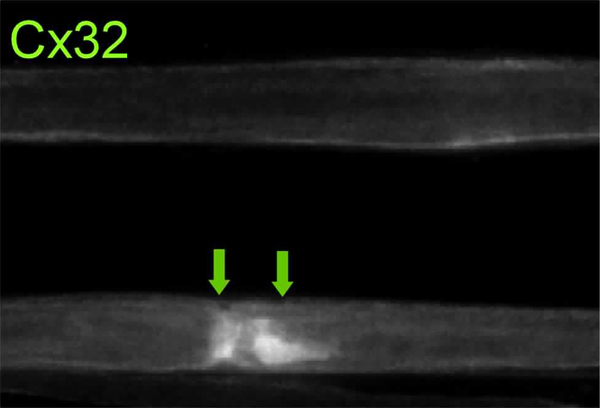
Kleopas Kleopa, professor at the Cyprus Institute of Neurology and Genetics in Nicosia, Cyprus, was awarded an MDA research grant totaling $280,945 over a period of three years to develop gene therapy in a mouse model of X-linked Charcot-Marie-Tooth disease (CMT).
CMTX is due to mutations in the gene for connexin 32. This protein forms connections between layers of the insulating material around nerve cells, called myelin. Loss of connexin prevents the nerve cell from functioning properly, leading to muscle atrophy, weakness and sensory loss in the limbs. Kleopa has generated a mouse model of the disease, and has developed virus-like particles that can carry a functional copy of the gene, increasing connexin 32 protein production when delivered directly to the nerve.
Now, Kleopa will study a combination of gene delivery methods, including direct injection into the nerves, muscles and spinal cord. He also will examine treated mice for signs that the gene improves neuropathy (nerve abnormalities).
“Transgenic mice are particularly well suited for this study because treatment of peripheral neuropathy can only be validated in a vertebrate animal model, where the pathology can be studied in peripheral nerves,” Kleopa says. “Furthermore, this particular mouse model reproduces all major pathological aspects of the human disease, and therefore it is relevant to test potential treatments.
“In the last two decades research in the field of inherited neuropathies, especially the common forms, has provided many insights into the causes and mechanisms of disease. Developing genetic treatments, using the recently generated disease models, is an important and timely approach to also provide potential therapies for these disorders in the near future.”
Funding for this MDA grant began August 1, 2013.
Grantee: CMT — Kleopas Kleopa, M.D.
Grant type:
Award total:
Institution:
Country:
Grant - Additional Grants 2013 - DMD — Christopher Penton, Ph.D.
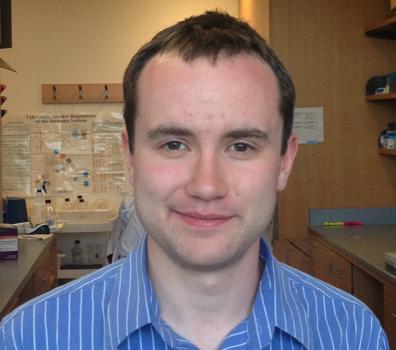
Christopher Penton, who recently earned his doctorate in integrated biomedical sciences at Ohio State University in Columbus, was awarded an MDA research grant totaling $180,000 over three years to study ways to improve muscle regeneration and decrease muscle scar tissue formation in Duchenne muscular dystrophy (DMD).
Penton's grant was given through MDA's Bridge-to-Industry program, which connects promising new researchers to mentors in academia and industry. He'll work with one mentor at the University of Arizona in Tucson, Ariz., and another at the Oro Valley, Ariz., site of Sanofi, a multinational pharmaceutical company.
Grantee: DMD — Christopher Penton, Ph.D.
Grant type: Research Grant
Award total:
Institution:
Country:
Grant – Winter 2013 – DMD - Eric Hoffman, Ph.D.
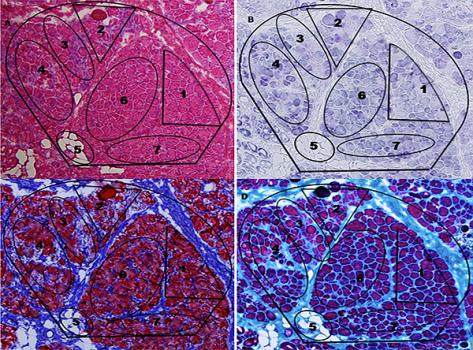
Eric Hoffman, director of the Research Center for Genetic Medicine at Children's National Medical Center in Washington, D.C., was awarded an MDA research grant totaling $321,659 over a period of three years to study whether a process called asynchronous repair contributes to muscle degeneration in Duchenne muscular dystrophy (DMD).
Normal muscle repairs itself following injury, Hoffman points out, and that repair is a coordinated process within the muscle, taking place over about two weeks. “Our model is that muscle repair in DMD is asynchronous: Different regions of DMD muscle start the repair process at different times, and neighboring regions of the muscle get disoriented as to which time point in the two-week time frame of repair they are in. This results in inappropriate signals and failed regeneration.”
The implication of that model is that resynchronizing the repair process should provide therapeutic benefit. Hoffman has data suggesting that corticosteroid drugs, such as prednisone, which are effective in DMD, are “re-synchronization” agents for muscle repair. In this way, he thinks, they act similarly to some of the body’s own hormones that synchronize sleep/wake cycles and other time-related events in the body.
His work will further study this phenomenon and explore its implications for development of drugs that offer the same benefits as corticosteroids with fewer side effects. He thinks there also may be a role for using the clock to schedule dosing of current drugs, timing their delivery to improve efficacy and reduce side effects.
“It is an exciting time for development of therapeutic approaches in Duchenne muscular dystrophy and other neuromuscular diseases,” Hoffman says, noting that the growing understanding of the biology of the dystrophin gene and the effects of the dystrophin protein’s loss in muscle is leading to novel therapeutic approaches, and the focus on moving those new approaches to clinical trials has sped up the development of promising therapies.
Funding for this MDA grant began Feb. 1, 2013.
Grantee: DMD - Eric Hoffman, Ph.D.
Grant type: Research Grant
Award total:
Institution:
Country:
Grant - Summer 2012 - AMD — Dwight Koeberl, M.D., Ph.D.
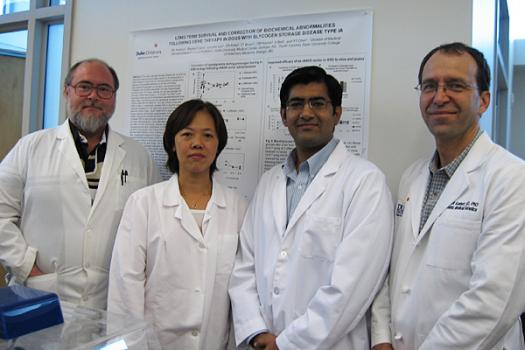
MDA awarded a research grant totaling $253,812 over two years to Dwight Koeberl, associate professor in the department of pediatrics at Duke University Medical Center in Durham, N.C. The funds will help support Koeberl’s research on the development of gene therapy for acid maltase deficiency (AMD, or Pompe disease).
Koeberl is investigating a new therapy for Pompe disease, using a drug that improves the response to gene therapy. The drug, called a beta2-agonist, increases the amount of acid maltase (the enzyme that’s deficient in Pompe disease) taken up by muscle cells during gene therapy.
Koeberl and colleagues also are studying ways to stop the immune system from mounting a response and interfering with gene therapy.
Experiments are being conducted in a research mouse model of Pompe disease. The mouse, which lacks the gene for acid maltase, responds to therapy in a similar way to people with Pompe disease.
Favorable results in Koeberl’s study could lead to a new design for gene therapy in Pompe disease.
Funding for this MDA grant began Aug. 1, 2012.
Grantee: AMD — Dwight Koeberl, M.D., Ph.D.
Grant type:
Award total:
Institution:
Country:
Grant – Winter 2013 – DMD - Deok-Ho Kim, Ph.D.

Deok-Ho Kim, assistant professor of bioengineering at the University of Washington in Seattle, was awarded an MDA research grant totaling $390,000 over a period of three years to develop better techniques for growing muscle for use in transplantation into a mouse model of Duchenne muscular dystrophy (DMD).
Muscle is a highly ordered tissue, with cells oriented in specific directions. Blood vessels and other muscle components must also take up specific positions in muscle for it to perform properly. Kim’s work is focused on developing materials that serve as scaffolds for growing muscle from stem cells in the laboratory, which then can be transplanted into living organisms to replace damaged muscle. These scaffolds work at the cellular scale to promote optimal growth of muscle in the most tissuelike patterns.
“This work aims to generate a functional muscle patch capable of providing long-term muscle strength and regenerative capacity, and to improve morbidity [symptoms] in DMD patients,” Kim says. “The optimal conditions will be utilized to create a robust muscle replacement with adequate force generation capacity. Since DMD is essentially a disease of deficiency of mature muscle cells, stem cell therapy presents an attractive route to cure the disease.”
His group also is working to integrate a muscle signaling molecule, calledS1P, into the growing muscle, to promote muscle stem cell proliferation and differentiation, and to help blood vessels grow properly in the muscle.
Funding for this MDA grant began Feb. 1, 2013.
Grantee: DMD - Deok-Ho Kim, Ph.D.
Grant type: Research Grant
Award total:
Institution:
Country:
Grant - Summer 2013 - CMT — Charlotte Sumner, M.D.
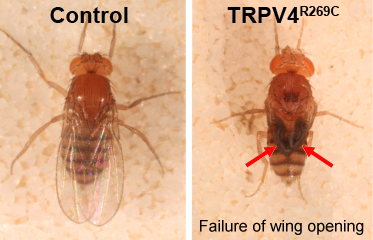
Charlotte Sumner, associate professor of neurology and neuroscience at Johns Hopkins University School of Medicine in Baltimore, Md., was awarded an MDA research grant totaling $300,000 over a period of three years to study the effects of the gene that causes one form of Charcot-Marie-Tooth disease (CMT).
CMT is characterized by the degeneration of peripheral nerves, resulting in disabling muscle weakness and sensory loss. One form of the disease, called type 2C CMT (CMT2C), is caused by mutations in a gene calledTRPV4 that helps control the flow of calcium in and out of cells. “Our long-term goal is to determine how mutations in TRPV4 lead to CMT2C and to develop treatments for this disease,” Sumner says.
Some effects of these gene mutations are known, but how they cause nerve degeneration is still unclear. Sumner has generated fly and mouse models of CMT2C in order to pursue that question. “The advantage of using fruit flies is that they allow us to rapidly evaluate the effects of multiple mutations and potential disease modifiers, as well as to assess TRPV4 function by calcium imaging.” The mouse, in turn, better mimics aspects of human physiology affected in the disease and can be used to test drugs.
“Together, these studies will provide important insights into the cellular and molecular mechanisms underlying TRPV4-mediated nerve disease, and in the future, we plan to use these fly and mouse models synergistically to develop new therapeutic interventions,” she says. “Because it is an ion channel expressed at the cell surface membrane [and therefore potentially accessible by therapeutic compounds], TRPV4 inhibition represents an attractive therapeutic strategy for patients with CMT2C.”
Funding for this MDA grant began August 1, 2013.
Grantee: CMT — Charlotte Sumner, M.D.
Grant type:
Award total:
Institution:
Country:
Grant - Additional Grants 2013 - DMD — Anne Connolly, M.D.
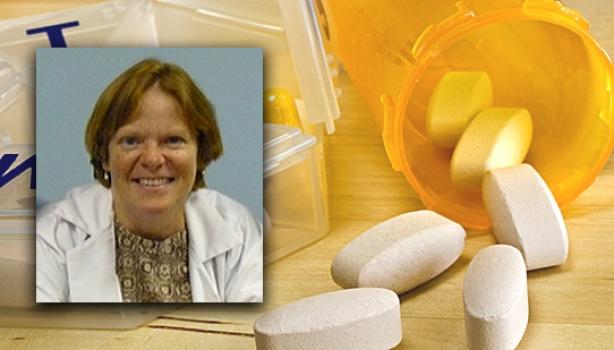
Anne Connolly, a pediatric neurologist at Washington University in St. Louis, was awarded an MDA human clinical trial grant totaling $343,787 over a period of nearly three years (through April 30, 2016) to conduct a trial of prednisone in boys with Duchenne muscular dystrophy (DMD) who are younger than 2½ years old.
Connolly will conduct this phase 2 trial through the five centers that make up the MDA Duchenne Clinical Research Network.
Grantee: DMD — Anne Connolly, M.D.
Grant type: Human Clinical Trial Grant
Award total:
Institution:
Country:
Find MDA
in your Community
-

Grants at a Glance
Read More -

Search for Clinical Trials
Learn More