Congenital Muscular Dystrophy (CMD)
Medical Management
Medical Management
There is currently no cure for congenital muscular dystrophy (CMD), but supportive care can help manage symptoms, reduce complications, and improve quality of life. Care is typically tailored to the individual based on their specific CMD subtype, symptoms, and overall health.
CMD is generally managed using a multidisciplinary approach, meaning a team of healthcare professionals works together to support different aspects of care. This may include a neuromuscular specialist, pulmonologist, cardiologist, orthopedic specialist, therapist, nutrition specialist, genetic counselor, psychologist, and palliative care specialist.
Guidelines for CMD management
Care for congenital muscular dystrophy (CMD) is informed by established clinical guidelines. International standards of care were first published in 2010 by a panel of experts, including many supported by MDA, to guide healthcare professionals and support families.
An updated guideline for the diagnosis and care of CMD was later published by the American Academy of Neurology in March 2015, providing additional recommendations for evaluation and management. See CMD: Guideline for Patients and Familes.
Additional resources for healthcare professionals and families are available through the Cure CMD Care Guidelines site, including a family guide summarizing the CMD Consensus Guidelines and disease-specific pulmonary and cardiac care resources.
General care
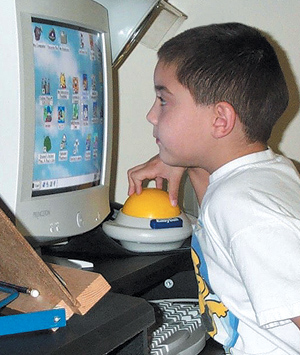 Evaluation often begins when CMD is suspected or diagnosed, with ongoing follow-up to monitor changes over time. Even before a specific genetic subtype is confirmed, supportive care may be introduced based on clinical needs.
Respiratory (breathing) care
Respiratory muscle weakness is common in many forms of CMD. Monitoring of breathing function over time may help identify early changes. Supportive approaches can include airway clearance techniques, assisted coughing, and noninvasive ventilation (such as nighttime breathing support), depending on individual needs. Prompt attention to respiratory infections is also important.
Cardiac (heart) care
Some CMD subtypes are associated with heart involvement, including cardiomyopathy or rhythm abnormalities. Heart evaluations, such as electrocardiograms (ECG) or echocardiograms, may be performed at diagnosis and repeated over time based on the subtype and clinical findings.
Nutrition and feeding
Feeding and swallowing difficulties can occur, particularly in infants and young children. Assessment by specialists may help guide strategies such as positioning, texture modification, or nutritional supplementation. In some cases, alternative feeding methods may be considered to support growth and reduce the risk of aspiration.
Orthopedic and rehabilitation care
 Muscle weakness can lead to joint contractures, scoliosis, hip instability, and reduced mobility. Supportive care may include physical and occupational therapy, stretching programs, bracing, and assistive devices. Surgical interventions may be considered in selected situations, depending on the individual’s condition and goals.
Neurological and developmental care
Certain CMD subtypes are associated with brain involvement. This may include developmental delays, learning differences, seizures, or vision problems. Supportive care can include developmental services, educational support, and appropriate medical management of neurological symptoms.
Supportive and palliative care
Supportive (including palliative) care focuses on comfort, function, and overall well-being at all stages of the condition. This may include management of pain, fatigue, sleep issues, and emotional health, as well as support for families and caregivers.
Why coordinated care matters
CMD can affect multiple body systems, and needs may change over time. Coordinated, team-based care can help monitor for complications, support daily function, and align care with individual priorities.
For specific recommendations, individuals and families should consult their healthcare team.
Additional reading
- Pasrija D, Tadi P. Congenital Muscular Dystrophy. [Updated 2023 Jul 3]. In: StatPearls [Internet]. Treasure Island (FL): StatPearls Publishing; 2026 Jan-. Available from: https://www.ncbi.nlm.nih.gov/books/NBK558956/
- Bönnemann CG et al. Members of International Standard of Care Committee for Congenital Muscular Dystrophies. Diagnostic approach to the congenital muscular dystrophies. Neuromuscul Disord. 2014 Apr;24(4):289-311. doi: 10.1016/j.nmd.2013.12.011.
- Wang CH et al. International Standard of Care Committee for Congenital Muscular Dystrophy. Consensus statement on standard of care for congenital muscular dystrophies. J Child Neurol. 2010 Dec;25(12):1559-81. doi: 10.1177/0883073810381924.
Last reviewed June 2026.
Looking for more information, support or ways to get involved?
Find MDA
in your Community
-

Search for Clinical Trials
Learn More -

Grants at a Glance
Read More