Science That Changes Lives
From breakthroughs in the lab to real-world progress—accelerating research that delivers results for families today.
Grant - Summer 2012 - DMD/BMD — Rita Perlingeiro, Ph.D.
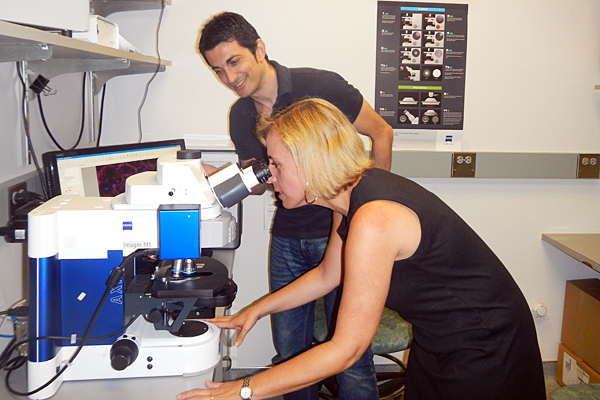
MDA awarded a research grant totaling $390,000 over three years to Rita Perlingeiro, associate professor in the Department of Medicine at the University of Minnesota in Minneapolis. The funds will help support Perlingeiro's study of genetic correction and muscle regeneration in Duchenne (DMD) and Becker (BMD) muscular dystrophies.
"The practical and ethical problems associated with the use of embryonic stem cells have been eliminated with the revolutionary discovery of reprogramming somatic cells, such as skin, to a pluripotent state (iPS cells)," Perlingeiro explains. "This enables the generation of patient-specific induced pluripotent stem cells that could be used for transplantation." (Pluripotent cells can mature, or differentiate, into any cell type and can be expanded indefinitely in the lab.)
Perlingeiro and colleagues have invented and continue to refine a method to efficiently generate immature skeletal muscle cells from iPS cells. In addition, they have shown that, once transplanted, the cells integrate with existing skeletal muscle cells in an iPS cell model of DMD, and in cells taken from healthy mice and healthy humans.
Now, Perlingeiro is working to determine the efficiency with which genetically corrected iPS cells can increase muscle regeneration in DMD mice.
Perlingeiro's work could lay the groundwork for clinical development of pluripotent stem cells for muscular dystrophy.
"Because disease progression for DMD takes over a decade, there is sufficient time to generate and test iPS cells," Perlingeiro says, "making DMD an ideal candidate for early-stage iPS cell therapy clinical trials."
Funding for this MDA grant began Aug. 1, 2012.
Grantee: DMD/BMD — Rita Perlingeiro, Ph.D.
Grant type: Research Grant
Award total:
Institution:
Country:
Grant - Spring 2014 - Nemaline Myopathy - Henk Granzier, Ph.D.
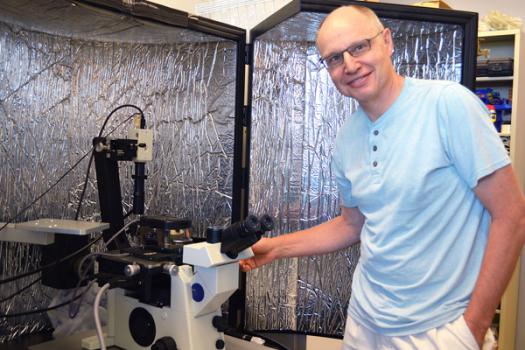
Henk Granzier, a professor of molecular and cellular biology, physiology and biomedical engineering at the University of Arizona in Tucson, has been awarded an MDA research grant totaling $253,800 over three years to study how lower than normal levels of a protein called nebulin affect muscle cells. Nebulin deficiency is the underlying cause of one type of nemaline myopathy. Granzier and colleagues have developed nebulin-deficient mice that develop a disorder resembling human nemaline myopathy. They will conduct experiments in these mice to better understand the basis of muscle weakness in this disorder and to test the effects of experimental treatments.
Funding for this MDA research grant began May 1, 2014.
Grantee: Nemaline Myopathy - Henk Granzier, Ph.D.
Grant type:
Award total:
Institution:
Country:
Grant - Summer 2012 - DMD/BMD — Joseph Metzger, Ph.D.
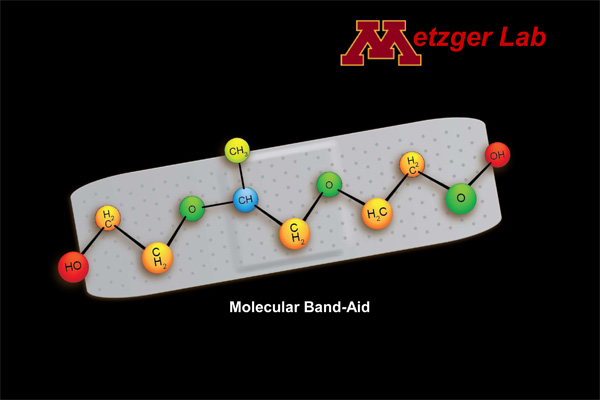
MDA awarded a research grant totaling $237,868 over two years to Joseph Metzger, professor and chair of integrative biology and physiology at the University of Minnesota in Minneapolis. The funds will help support Metzger's work in development and testing of copolymer molecules, or "membrane sealants," for Duchenne (DMD), Becker (BMD) and other muscular dystrophies.
DMD and BMD are caused by an absence of dystrophin, a protein that helps keep muscle cells intact. Dystrophin deficiency causes muscle membranes to be fragile, with structural and functional abnormalities. These weakened cellular membranes make the muscle tissue highly susceptible to contraction-based injury and eventual destruction.
Metzger and colleagues are utilizing cutting-edge techniques in the fields of physiology (the study of chemical and physical processes involved in a living organism), chemistry, and chemical engineering to develop membrane-protective molecules as a therapeutic approach to treat muscular dystrophy.
"Molecular 'Band-Aids' for muscle membrane protection have the potential to spark a revolution in novel therapeutics for diseased striated muscles in muscle dystrophy," Metzger says.
Funding for this MDA grant began Aug. 1, 2012.
Grantee: DMD/BMD — Joseph Metzger, Ph.D.
Grant type: Research Grant
Award total:
Institution:
Country:
Grant - Spring 2014 - Muscle disease - Stephen Hauschka, Ph.D.

Stephen Hauschka, a professor of biochemistry at the University of Washington-Seattle, has been awarded an MDA research grant totaling $253,800 over three years to develop and test new “on-off” gene “switches,” also known as “regulatory cassettes,” to be used in gene transfer therapies to treat muscle disorders.
Funding for this MDA research grant began May 1, 2014.
Grantee: Muscle disease - Stephen Hauschka, Ph.D.
Grant type: Research Grant
Award total:
Institution:
Country:
Grant – Winter 2013 – MMD - Matthew Disney, Ph.D.
Matthew Disney, associate professor of chemistry at The Scripps Research Institute in Jupiter, Fla., was awarded an MDA research grant totaling $362,724 over a period of three years to test the ability of compounds he has developed to target the toxic RNA in myotonic dystrophy type 2 (MMD2, also known as DM2).
MMD2 is caused by an abnormally expanded section of DNA on chromosome 3, which leads cells to make an abnormally long segment of RNA from it. This expanded RNA folds into a structure that traps certain cell proteins, preventing them from doing their normal jobs.
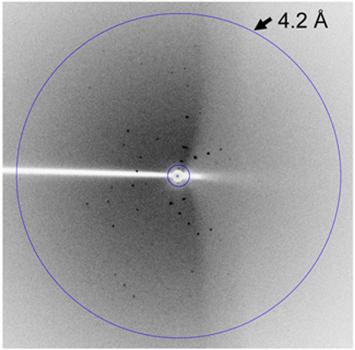
Disney’s research group has designed small molecules that bind specifically to this expanded RNA. If these, or molecules like them, can reduce the amount of protein the RNA can trap, they may be useful as therapy for MMD2. Disney will be testing these molecules for that ability, and also determining the three-dimensional structure of the MMD2 RNA.
“If we are successful in these endeavors we will be able to better understand how DM2 RNA binds to and inactivates proteins,” he says. That should provide the foundation for development of better and more specific molecules that can be tested as drugs in people with MMD2.
“This is very much a developing field, and a lot of work is needed to establish if small molecules can be designed to target RNA and have therapeutic utility,” Disney says. “These studies are critically important because biologists are doing such a phenomenal job in identifying the biochemical mechanisms of disease. The major question is whether we can leverage this mechanistic information into small-molecule therapies.”
Funding for this MDA grant began Feb. 1, 2013.
Grantee: MMD - Matthew Disney, Ph.D.
Grant type:
Award total:
Institution:
Country:
Grant - Spring 2014 - Muscle disease - Shihuan Kuang, Ph.D.
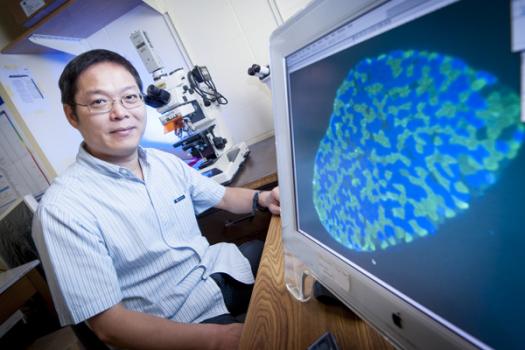
Shihuan Kuang, an associate professor of animal sciences at Purdue University in West Lafayette, Ind., has been awarded an MDA research grant totaling $253,800 over three years to investigate the use of low-oxygen conditioning of cells to improve stem cell-based therapies to treat muscular dystrophies.
Funding for this MDA research grant began May 1, 2014.
Grantee: Muscle disease - Shihuan Kuang, Ph.D.
Grant type: Research Grant
Award total:
Institution:
Country:
Grant - Summer 2012 - DMD/BMD — Dean Burkin, Ph.D.
Dean Burkin, associate professor of pharmacology at the University of Nevada School of Medicine in Reno, was awarded an MDA research grant totaling $308,028 over three years to study laminin-111 protein therapy for Duchenne (DMD) and Becker (BMD) muscular dystrophies.
Burkin and colleagues have shown in previous work that systemic delivery of the laminin-111 protein works as a potent therapeutic in a mouse model of DMD. Laminin-111 treatment in these mice results in stabilization of the muscle membrane and a reduction in levels of an enzyme called creatine kinase, or CK, which is a sign of muscle damage.
It remains unclear, however, whether laminin-111 protein therapy in people with DMD may be able to prevent muscle damage, or reverse it after it's already started.
Burkin is working to test the hypothesis that laminin-111 protein therapy can prevent muscle damage after DMD disease onset in mouse models of DMD and in dogs that have the disease.
To do this, Burkin and colleagues first plan to determine if laminin-111 prevents muscle damage after disease onset in the two animal models. Next, the team will test to see whether laminin-111 prevents heart muscle deterioration (cardiomyopathy) in mouse models of DMD, and finally the group will study whether laminin-111 prevents muscle disease in dogs with DMD.
Favorable results could pave the way for development of laminin-111 as a therapeutic for DMD and BMD.
Funding for this MDA grant began Aug. 1, 2012.
Grantee: DMD/BMD — Dean Burkin, Ph.D.
Grant type: Research Grant
Award total:
Institution:
Country:
Grant - Summer 2013 - DMD — Moon-Chang Choi, Ph.D.
Moon-Chang Choi, a postdoctoral researcher at Duke University in Durham, N.C., was awarded an MDA development grant totaling $120,000 over a period of two years to study one of the molecular controls regulating muscle repair.
When muscle becomes damaged, new muscle cells form by division ofsatellite cells, a type of stem cell found in muscles. “Understanding the mechanism that controls satellite cell activation could provide opportunities to increase muscle regeneration and provide therapeutic relief to patients with Duchenne muscular dystrophy (DMD),”Choi says.
His work will focus on a protein called HDAC4, which he has previously shown is required for satellite cell activation in damaged muscle. Now, Choi will further characterize the role of HDAC4 in satellite cell activation, using a mouse model in which HDAC4 is specifically inactivated in satellite cells. He also will examine the effect of a loss of HDAC4 in the most commonly used mouse model of DMD.
“The ability of muscle stem cells to transition from a quiescent state to a rapidly proliferative state is one of the most remarkable but mysterious aspects of stem cell biology,” Choi says. “Given that the satellite cell program is often impaired in muscle dystrophy, the study of these fundamental mechanisms could have important clinical implications.”
Funding for this MDA grant began August 1, 2013.
Grantee: DMD — Moon-Chang Choi, Ph.D.
Grant type: Development Grant
Award total:
Institution:
Country:
Grant – Winter 2013 – MMD - Darren Monckton, Ph.D.
Darren Monckton, professor of human genetics at the University of Glasgow in Scotland, was awarded an MDA research grant totaling $273,892 over a period of two years to develop new diagnostic tests for myotonic muscular dystrophy type 1 (MMD1, also known as DM1)
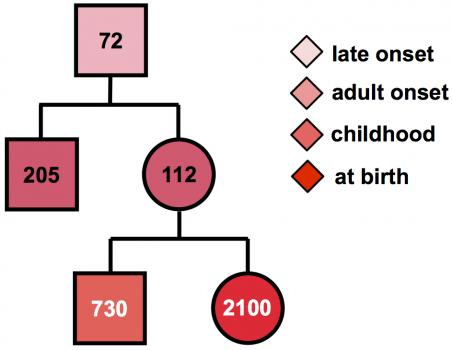
MMD1 is caused by expansion of part of the DNA code in the DMPK gene. Normally, this gene has a small number of repeats of the DNA “letters” CTG. But in people with MMD1, the number of repeated CTG units is 50 or more, and can be over 1000. Furthermore, the number of repeated units in the genes can grow over the lifetime and may differ between different cells.
“In the standard diagnostic test, this genetic instability is ignored,” Monckton says, “and only an average number of repeats is measured.” But the variation may contain important clues to when the disease is likely to begin, and so may provide valuable information to families and individuals with the MMD1 repeat about the future course of disease.
“Using specialized research techniques, we can measure the number of CTG repeats in many cells, then use a computer model to calculate the number of CTGs the patient had at birth,” Monckton notes. “This number much more accurately predicts when symptoms are likely to start. In addition, the CTGs are sometimes interrupted by other groups of three letters, such as CCG, usually leading to milder symptoms,” and later onset in future generations. “Unfortunately, the current genetic test does not take account of age-dependent changes in the number of repeats or detect the presence of these interruptions.”
Monckton will collaborate with genetic testing laboratories to develop new diagnostic tests that will allow the detection of both these important features. In addition to benefits for individual families, the new tests should help make the interpretation of clinical trial results more accurate, since any effects of treatment can be measured against the severity of the genetic mutation.
Funding for this MDA grant began Feb. 1, 2013.
Grantee: MMD - Darren Monckton, Ph.D.
Grant type:
Award total:
Institution:
Country:
Grant - Summer 2012 - DMD/BMD — David Gokhin, Ph.D.
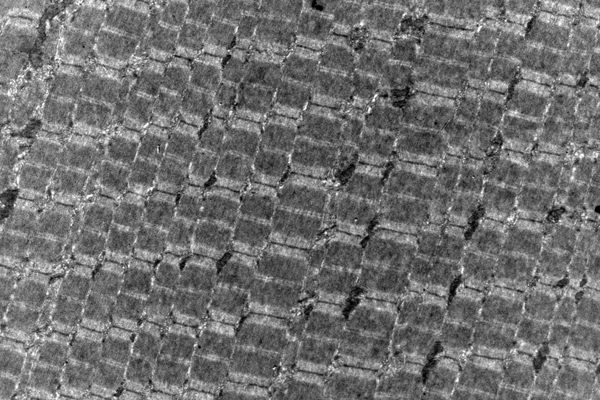
Research associate David Gokhin at the Scripps Research Institute in La Jolla, Calif., was awarded an MDA development grant totaling $180,000 over three years to study the role of a protein called gamma-actin in muscle degeneration and weakness in Duchenne (DMD) and Becker (BMD) muscular dystrophies.
MDA development grants are awarded to exceptional postdoctoral candidates who have the best chance of becoming independent researchers and future leaders of neuromuscular disease research.
Gokhin plans to determine the role gamma-actin plays in regulating the structure, strength and function of the skeletal muscle sarcoplasmic reticulum (SR), a cellular membrane system that houses the calcium that muscles use when they contract. He'll examine how gamma-actin filaments are linked both to the SR and to myofibrils (the force-generating units in muscle contraction).
Next, he'll study SR structure, calcium transport and SR-myofibril connections in the muscles of healthy mice and in those with altered levels of gamma-actin. Lastly, using a DMD mouse research model, Gokhin will examine how elevated levels of gamma-actin affect the DMD disease course.
Gokhin acknowledges progress made in the development of therapeutics for DMD, but says there still is a "gap" in the understanding of basic disease mechanisms.
"In other words, we don't have a convincing answer to the question 'how does a protein defect at the sarcolemma contribute to the cascade of events that leads to muscle wasting,'" he says. "I hope that my research will spark interest in the idea that communication between intracellular and peripheral membranes is an important, yet underappreciated, facet of muscle biology."
Funding for this MDA grant began Aug. 1, 2012.
Grantee: DMD/BMD — David Gokhin, Ph.D.
Grant type: Development Grant
Award total:
Institution:
Country:
Grant - Spring 2014 - Muscle disease - Mariah Baker, Ph.D.
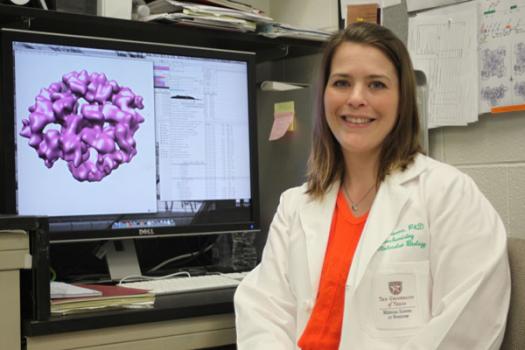
Mariah Baker, a research associate at the University of Texas Health Science Center at Houston, has been awarded an MDA development grant totaling $152,073 over three years to study how the release of calcium molecules is triggered in muscle cells. Improved understanding of this process could have implications for treating a variety of muscle disorders.
Funding for this MDA research grant began May 1, 2014.
Grantee: Muscle disease - Mariah Baker, Ph.D.
Grant type: Development Grant
Award total:
Institution:
Country:
Grant - Winter 2012 - DMD - Kay Davies, M.A., Ph.D.
MDA awarded a research grant totaling $260,000 over a period of two years to Professor Dame Kay Davies, Dr. Lee’s Professor of Anatomy in the department of physiology, anatomy and genetics at the University of Oxford in the United Kingdom. The funds will help support Davies’ development of an effective therapy applicable to all people with Duchenne muscular dystrophy (DMD).
Davies’ approach is to identify a drug that will increase levels in muscle of the structural protein utrophin (similar to dystrophin, the protein deficient in DMD).
“A small molecule drug delivered to the whole body following oral administration can potentially target all affected muscle types, including heart and diaphragm, and would not require [as other therapies under development for DMD do] the use of an immunosuppressant,” Davies explained.
The team will screen candidate compounds for their ability to increase utrophin activity in a mouse model designed to permit real-time quantification of utrophin levels in the living animal.
Davies expects that the new screen will enable her team to rapidly identify new small molecules as lead candidates for DMD.
“Following on the grant from MDA,” Davies said, “we hope to be in a strong position to develop a clinical candidate and, ultimately, to deliver a best-in-class drug for the treatment of DMD.”
Funding for this MDA grant began February 1, 2012.
Grantee: DMD - Kay Davies, M.A., Ph.D.
Grant type: Research Grant
Award total:
Institution:
Country:
Grant - Winter 2012 - DMD - Andrew Ho, Ph.D.
MDA has awarded a development grant totaling $180,000 over a period of three years to Andrew Ho, a postdoctoral fellow at the Institute for Stem Cell Biology and Regenerative Medicine, Stanford School of Medicine in Stanford, Calif. The funds will help support Ho's study of human muscle stem cell regulation and the potential for stem-cell-based therapies in Duchenne muscular dystrophy (DMD). (MDA development grants are awarded to exceptional postdoctoral candidates who have the best chance of becoming independent researchers and future leaders of neuromuscular disease research.)
Currently, there are no effective treatments to reverse the skeletal muscle degeneration associated with DMD. Available therapies treat only the symptoms, not the underlying cause of the disease.
"However, recent progress in a mouse model study suggests that transplantation of mouse muscle stem cells could ameliorate the debilitating effects of skeletal muscle wasting," Ho said.
With colleagues, Ho plans to study human muscle stem cell behavior, with a particular focus on identifying conditions that promote an increase in stem cell numbers. The team also will study the efficacy of a stem cell transplantation approach in a mouse model of DMD to establish whether it can reverse disease-related muscle loss.
Favorable results could point the way toward new therapeutic approaches in DMD.
Funding for this MDA grant began February 1, 2012.
Grantee: DMD - Andrew Ho, Ph.D.
Grant type: Development Grant
Award total:
Institution:
Country:
Grant – Winter 2013 – MG - Socrates Tzartos, Ph.D.

Socrates Tzartos, professor of biochemistry at the Hellenic Pasteur Institute in Athens, Greece, was awarded an MDA research grant totaling $345,033 over a period of three years to develop diagnostic tools for diagnosis of the low-density lipoprotein receptor-related protein 4 (LRP4) form of myasthenia gravis (MG).
MG is an autoimmune disease in which the body’s immune system targets proteins located at the neuromuscular junction, causing weakness. In most patients, the target is the acetylcholine receptor, and in others it is muscle-specific kinase. But 10 percent of MG patients do not have either of these forms, and are said to have seronegative MG (SN-MG). “SN-MG presents a serious gap in MG diagnosis and understanding,” says Tzartos.
Recently, antibodies against LRP4, another protein found at the neuromuscular junction, have been found in some SN-MG patients, and evidence suggests this may be another cause of disease. However, there is not yet a reliable, clinically practical test available for the routine diagnosis of LRP4-MG. Tzartos will be developing such a test by making the protein in animals, purifying it, and comparing a range of assays for their ability to detect the protein. He then plans to test a large number of SN-MG patients to determine the true prevalence of LRP4-MG among this group. Finally, he will explore the pathologic mechanisms at work in LRP4-MG in animal models.
“Since it is known that MG is heterogeneous [varied] in terms of pathophysiology [effects on the body], the outcome of this project is expected to have great impact for this group of MG patients, and provide new insights on the physiology of the neuromuscular junction,” Tzartos says.
Funding for this MDA grant began Feb. 1, 2013.
Grantee: MG - Socrates Tzartos, Ph.D.
Grant type:
Award total:
Institution:
Country:
Grant - Summer 2012 - DMD/BMD — Daniel Michele, Ph.D.
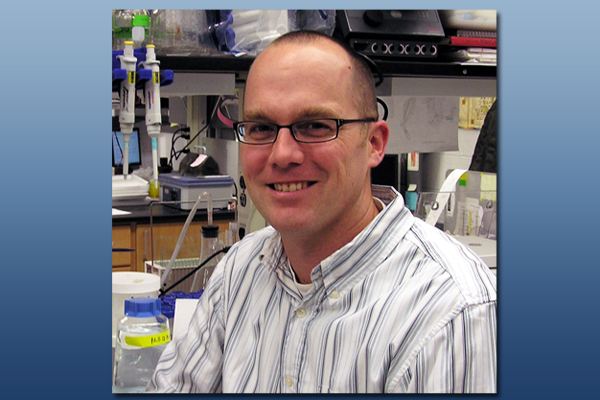
Daniel Michele, associate professor in the department of molecular and integrative physiology at the University of Michigan in Ann Arbor, was awarded an MDA research grant totaling $364,965 over three years to study the underlying mechanisms of muscle weakness and muscle fatigue in Duchenne (DMD) and Becker (BMD) muscular dystrophies. Michele's work could have implications for other dystrophies as well, including limb-girdle muscular dystrophy (LGMD) and congenital muscular dystrophy (CMD).
"Recent work by a number of laboratories has shown that patients and mouse models with DMD show early muscle fatigue, particularly when muscles are active, such as during exercise," Michele explains. "This early fatigue is thought to be primarily due to disruption of the production of nitric oxide in muscle, which helps dilate blood vessels in muscle and increase blood flow during exercise."
Michele notes that there are several forms of the enzymes that produce nitric oxide in muscle, and "it's not exactly clear how nitric oxide production is regulated in muscle during exercise and exactly what causes dysfunction in muscular dystrophy."
With colleagues, Michele is working to determine how nitric oxide production is regulated in muscle and if the normal regulators of nitric oxide production can be targeted to improve muscle blood flow and reduce muscle fatigue during exercise. The team will work primarily with the mdx mouse model (a DMD research model), but also will look at mouse models of other forms of genetic muscular dystrophy and muscle injury.
"Overall, we hope to show that manipulation of the regulators of nitric oxide production will provide potential therapeutic benefit to prevent muscle fatigue," Michele says.
Funding for this MDA grant began Aug. 1, 2012.
Grantee: DMD/BMD — Daniel Michele, Ph.D.
Grant type: Research Grant
Award total:
Institution:
Country:
Grant - Winter 2012 - DD/LGMD - Robert Bloch, Ph.D.
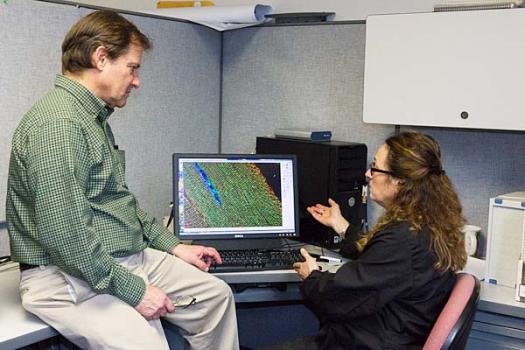
MDA has awarded a research grant totaling $362,295 over a period of three years to Robert Bloch, a professor in the department of physiology at the University of Maryland School of Medicine in Baltimore. The funds will help support Bloch's study of the role of a protein called dysferlin in type 2B limb-girdle muscular dystrophy (LGMD2B) and distal muscular dystrophy (DD, or Miyoshi myopathy).
"Limb-girdle muscular dystrophy 2B and Miyoshi myopathy are caused by mutations in the gene that carries instructions for dysferlin, but the role of dysferlin and its location in muscle cells are controversial," Bloch said.
Bloch and colleagues are working to answer these questions by studying isolated muscle fibers from normal and dysferlin-mutant mice, studying the structure and function of intact muscles from these same mice, and comparing what they observe in mouse muscle to muscles of people with LGMD2B or Miyoshi myopathy.
"The state of research in my area is in considerable flux, largely because of problems that have arisen from attempts to translate studies done in isolated cells to what occurs in muscle tissue in a living animal," Bloch said. "We have been trying to bridge this gap and have been getting results that we did not expect based on earlier work from other laboratories.
"It will take us some time to sort out the differences, but once we do so we anticipate making rapid progress."
Funding for this MDA grant began February 1, 2012.
Grantee: DD/LGMD - Robert Bloch, Ph.D.
Grant type:
Award total:
Institution:
Country:
Grant - Spring 2014 - MMD/DM - Steven Zimmerman, Ph.D.
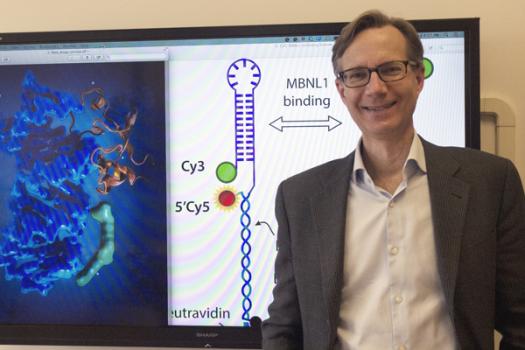
Steven Zimmerman, a professor of chemistry at the University of Illinois at Urbana-Champaign, has been awarded an MDA research grant totaling $253,800 over three years to develop experimental drugs to treat type 1 myotonic muscular dystrophy (MMD). Conducting experiments in cells and mice with an MMD-like disorder, Zimmerman and colleagues will test a new compound that keeps the MBNL1 protein away from genetic material called RNA. Abnormal interaction between these two substances is believed to play a major role in type 1 MMD.
Funding for this MDA research grant began May 1, 2014.
Grantee: MMD/DM - Steven Zimmerman, Ph.D.
Grant type:
Award total:
Institution:
Country:
Grant – Winter 2013 – MG - Muthusamy Thiruppathi, Ph.D.
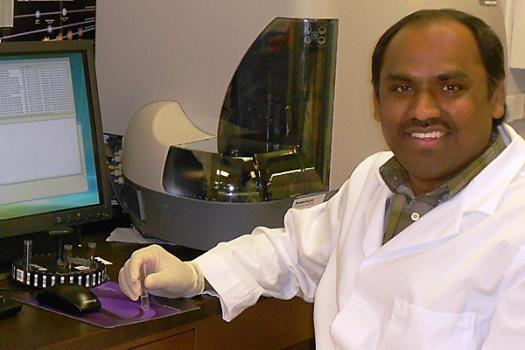
Muthusamy Thiruppathi, a postdoctoral research associate in microbiology and immunology in the College of Medicine at the University of Illinois at Chicago, was awarded an MDA development grant totaling $180,000 over a period of three years to pursue ways to restore normal immune system function in myasthenia gravis (MG).
MG occurs when certain cells in the body’s immune system mistakenly target specific proteins on skeletal muscle, causing weakness. The immune system is usually tightly regulated by immune cells called regulatory T cells. In other autoimmune disorders, it is now recognized that there is a defect in the number or function of these cells, and that this contributes to the development of autoimmunity (a condition in which the body's immune system mistakenly attacks its own tissues).
Thiruppathi and colleagues recently have shown that in MG, the number of regulatory T cells is normal, but they do not function properly to suppress unwanted immune responses. “We will now thoroughly examine the nature of this immune defect in MG,” he says, using blood cells collected from individuals with MG and unaffected individuals.
Thiruppathi also will be exploring a strategy to enhance the function of these cells using a natural immune system growth factor called granulocyte-macrophage colony-stimulating factor.
By developing a deeper understanding of exactly how the immune system goes awry, it may be possible to “change the approach to the treatment of myasthenia gravis from global, nonspecific immune modulation to focused, individualized, cellular therapy,” he says.
Funding for this MDA grant began Feb. 1, 2013.
Grantee: MG - Muthusamy Thiruppathi, Ph.D.
Grant type:
Award total:
Institution:
Country:
Grant - Winter 2012 - CMT - Garth Nicholson, M.D., Ph.D.

MDA awarded a research grant totaling $420,000 over three years to professor Garth Nicholson at the ANZAC Research Institute, University of Sydney in New South Wales, Australia.
The funds will help support Nicholson's research into the biological and cellular effects caused by mutations in the copper transport gene ATP7A in Charcot-Marie-Tooth disease (CMT).
Nicholson and colleagues have discovered that mutations in the copper transport gene ATP7A cause slow but progressive degeneration of the long ends (axons) of the nerve cells called motor neurons that send signals to the limb muscles.
The ATP7A protein is essential for human copper metabolism; it is involved with the delivery of copper for physiological processes, and also in maintaining copper balance in humans.
Nicholson's team has shown that mutant ATP7A protein does not traffic copper properly in the presence of elevated copper levels. Now it plans to determine whether ATP7A mutations cause disease symptoms by a mild reduction in intracellular copper movement from motor neurons, or whether the mutations work by some other mechanism such as poor delivery of copper to the distal axon, due to the trafficking defect.
Using human cellular and research mouse models, the investigators plan to determine the biological and cellular effects of the impaired ATP7A trafficking. They will investigate the role of interacting proteins in ATP7A trafficking relevant to axonal copper delivery as a means of exploring the possible mechanistic links between motor neuron disorders and copper; and they will establish a transgenic mouse model that carries mutations in the ATP7A gene.
Funding for this MDA grant began February 1, 2012.
Grantee: CMT - Garth Nicholson, M.D., Ph.D.
Grant type:
Award total:
Institution:
Country:
Grant - Spring 2014 - MMD/DM - Bernard Jasmin, Ph.D.

Bernard Jasmin, a professor in the Department of Cellular & Molecular Medicine at the University of Ottawa, has been awarded an MDA grant totaling $253,800 over three years to examine the role of a protein called staufen 1 in type 1 myotonic muscular dystrophy (MMD or DM) . In this disorder, staufen 1 interacts with abnormally expanded genetic material in muscle cells. Jasmin and colleagues will conduct laboratory experiments to understand the functions of staufen 1, with the goal of developing new strategies for treating type 1 MMD.
Funding for this MDA research grant began May 1, 2014.
Grantee: MMD/DM - Bernard Jasmin, Ph.D.
Grant type: Research Grant
Award total:
Institution:
Country:
Grant – Winter 2013 – MG - David Richman, M.D.
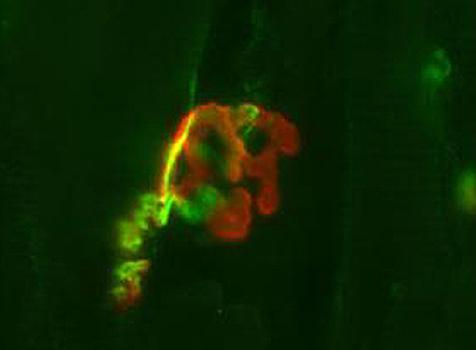
David Richman, professor of neurology at the University of California, Davis, was awarded an MDA research grant totaling $412,500 over a period of three years to study the anti-MuSK myasthenia (AMM) form of myasthenia gravis (MG).
In most people with MG, an autoimmune disease of muscle, individuals make antibodies that react against a part of the muscle called the acetylcholine receptor. But, Richman says, in the AMM form of the disease, antibodies are made against a second protein, muscle-specific kinase (MuSK), also located on the muscle surface. Many of the usual MG treatments are not effective against the AMM form of the disease.
Richman has developed a rat model of AMM, and will use magnetic resonance imaging (MRI) to measure muscle loss in the rats. He also will conduct microscopic and biochemical tests to characterize the affected muscles, and experiments on cells in culture to test various chemical treatments that could have therapeutic potential.
Funding for this MDA grant began Feb. 1, 2013.
Grantee: MG - David Richman, M.D.
Grant type:
Award total:
Institution:
Country:
Grant - Summer 2012 - DMD/BMD — Atsushi Asakura, Ph.D.
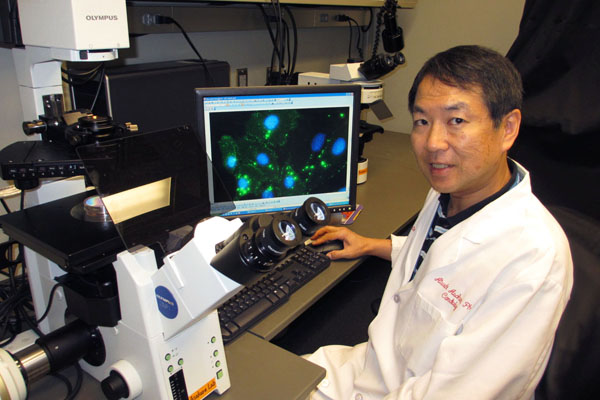
Atsushi Asakura, assistant professor at the University of Minnesota Medical School in Minneapolis, was awarded an MDA research grant totaling $378,531 over three years to study how the system of blood vessels known as the vasculature affects muscles in Duchenne (DMD) and Becker (BMD) muscular dystrophies.
Data from recent studies suggests that dystrophin — the protein deficient in DMD — plays a role in blood vessel health and maintenance. The absence of dystrophin in the vasculature results in vascular deficiency, making it likely that disturbed blood flow also is a cause of DMD-related muscle damage.
Therefore, Asakura says, “Definitive treatment of DMD will require both muscle fiber and blood vessel repair.”
With colleagues, Asakura is working to understand how vasculature affects muscle stem cells and regeneration in muscular dystrophies, and to develop a therapy based on growing new blood vessels. The team will examine the effects of increased blood-vessel growth on muscles in a research mouse model of DMD.
“The hope is that at least some, or combinations of, the vascular-targeted therapies will soon have clinical utility and provide current and future human beings living with DMD or other muscular dystrophies enhanced control over their own destiny,” Asakura says.
Funding for this MDA grant began Aug. 1, 2012.
Grantee: DMD/BMD — Atsushi Asakura, Ph.D.
Grant type: Research Grant
Award total:
Institution:
Country:
Grant - Winter 2012 - CMT - Charles Abrams, M.D., Ph.D.
Charles Abrams, an associate professor at SUNY Downstate Medical Center in Brooklyn, N.Y., was awarded an MDA research grant totaling $414,787 over a period of three years to study the role of connexin protein mutations in type 1X Charcot-Marie-Tooth disease (X-linked CMT, or CMT1X).
X-linked CMT differs from other types of CMT in that many people with the disease develop central nervous system signs and symptoms in addition to dysfunction of the peripheral nervous system. (In the CNS long nerve tracts convey information through the spinal cord to the brain, and from the brain down the spinal cord to the peripheral, or outer, nerves and muscles. ThePNS is comprised of nerve fibers outside the spinal cord that send signals to the muscles and relay information from the periphery of the body back to the spinal cord and brain.)
More than 300 mutations in the gene for the connexin 32 protein have been linked to CMT1X. Abrams and colleagues will study whether interactions between mutated connexin 32 protein and a related CNS protein, connexin 47, are the cause of the CNS dysfunction found in the disease.
"We are at the early stages in our understanding of the roles of mutations in connexin 32 in the CMT1X disease process," Abrams said. "We have identified some of the ways in which mutations disrupt the function of connexin 32, but we still do not fully understand why these disruptions lead to both peripheral and central nervous system dysfunction."
Funding for this MDA grant began February 1, 2012.
Grantee: CMT - Charles Abrams, M.D., Ph.D.
Grant type:
Award total:
Institution:
Country:
Grant – Winter 2013 – DD – Laing Distal Myopathy - Leslie Leinwand, Ph.D.
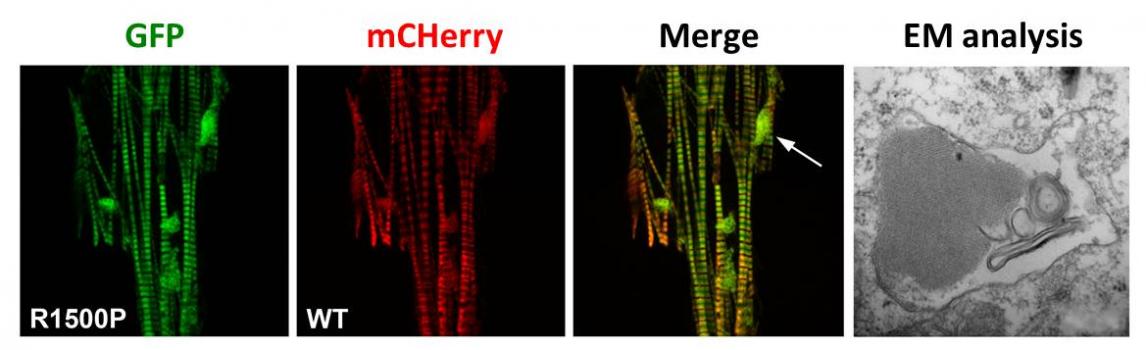
Leslie Leinwand, professor of molecular, cellular and developmental biology at the University of Colorado in Boulder, was awarded an MDA research grant totaling $338,775 over a period of three years to study the causes and treatment of Laing distal myopathy (MPD1).
MPD1 is an inherited muscle disease characterized by early and selective weakness of the lower leg that affects ankle and great toe bending. With time, the disease progresses to other muscles, including those of the neck and face. MPD1 is caused by mutations in a gene called MYH7, which encodes a protein called myosin heavy chain-ß. This protein works in heart and skeletal muscle to create the pulling force that allows muscles to contract, Leinwand says, “but how these mutations lead to disease is unknown.”
Her goal is to learn more about how mutations in MYH7 cause the cellular defects that are at the root of MPD1. Specifically, she is interested in determining the effects of mutations on the ability of multiple myosin proteins to link together, which they must do to function properly. She thinks it’s likely that a defect in that linking ability may reduce the stability of sarcomeres, the basic unit of muscle that exerts the pulling force.
She also will create a mouse model of MPD1 in order to better study the effects of mutation and to test potential therapies. “We hope that our experiments will expose the pathogenesis of the disease and will lead to a successful molecular treatment for MPD1, for which there is currently no treatment,” says Leinwand.
Funding for this MDA grant began Feb. 1, 2013.
Grantee: DD – Laing Distal Myopathy - Leslie Leinwand, Ph.D.
Grant type:
Award total:
Institution:
Country:
Grant - Spring 2014 - MMD/DM - Andrew Berglund, Ph.D.

Andrew Berglund, a professor of biochemistry, biophysics and molecular biology at the University of Oregon in Eugene, has been awarded an MDA research grant totaling $253,800 over three years to pursue changing the shape of the abnormal genetic material underlying type 1 and type 2 myotonic muscular dystrophy (MMD or DM). Berglund and colleagues will conduct laboratory experiments to see whether changing the shape of abnormally expanded genetic material (RNA) in these two forms of MMD can reduce or eliminate their harmful effects.
Funding for this MDA research grant began May 1, 2014.
Grantee: MMD/DM - Andrew Berglund, Ph.D.
Grant type: Research Grant
Award total:
Institution:
Country:
Find MDA
in your Community
-

Grants at a Glance
Read More -

Search for Clinical Trials
Learn More