Grant - Summer 2018 - SMA – Rashmi Kothary, PhD
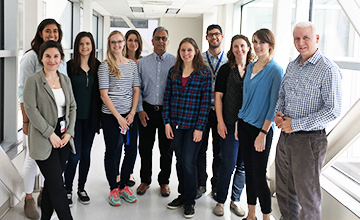
“There has to be great optimism about the emerging therapies for the treatment of SMA. There has been tremendous progress in this area over the past few years. With this progress comes the opportunity to better understand all the ramifications of SMN depletion. What is the new landscape of SMA in the longer-lived patients?”
Rashmi Kothary, senior scientist and deputy scientific director at Ottawa Hospital Research Institute in Ontario, was awarded an MDA Research Grant totaling $300,000 over 3 years to study abnormal fatty acid metabolism that’s a feature of spinal muscular atrophy (SMA). SMA is a an inherited motor neuron disease leading to muscle wasting and difficulties in controlling movement. There has been major progress in identifying the responsible gene, and in generating model systems.
Dr. Kothary’s work has shown that although SMA is largely considered a motor neuron disease, other cell types and tissues have intrinsic problems in the disease context and can contribute to the pathogenesis. Smn depletion leads to major glucose and lipid metabolism defects due to pancreatic and liver abnormalities in a mouse model of SMA.
As new therapies for SMA emerge, these metabolic defects may become more prominent features of the disease as patients are living longer. Additionally, understanding the metabolic abnormalities in SMA patients is important for future drug development, as they may affect drug pharmacokinetics and lead to possible increased risk of liver toxicity. Dr. Kothary and colleagues plan to use their SMA mouse model to get a better understanding of the multi-organ nature of the disorder.
Grantee: SMA – Rashmi Kothary, PhD
Grant type: Research Grant
Award total:
Institution:
Country:
Grant - Summer 2018 - Myopathy and ALS – Dr. Virginia Kimonis, MD, MRCP

“We hope that inhibition of VCP will improve the typical disease pathology in the muscle and spinal cord in the cell and mouse models of VCP-associated myopathy and related disorders, such as ALS, frontotemporal dementia, and other neuro degenerative disorders.”
Dr. Virginia Kimonis, principal investigator in the Division of Genetics & Genome Medicine at the University of California, Irvine School of Medicine Department of Pediatrics, was awarded an MDA Research Grant totaling $200,000 over 2 years to perform preclinical studies for myopathy and ALS with valosin-containing protein (VCP) inhibitor CB5083.
A mutation in the VCP gene is associated with the limb-girdle type of muscle weakness, Paget’s disease of the bone, frontotemporal dementia and amyotrophic lateral sclerosis (ALS). Studies in cell models have shown disease-causing mutations result in a gain of function of the VCP protein, which means that inhibition of the more active VCP protein has therapeutic potential.
Dr. Kimonis and colleagues will test a potent and specific VCP inhibitor, CB-5083, in patient-derived cells and mouse models. CB-5083 is very promising as a therapeutic agent for VCP disease that has been used in a trial of cancer patients by Cleave Biosciences.
Dr. Kimonis has devoted her career to finding a cure for VCP disease and this drug has been the most promising so far. If successful, other disorders such as ALS, sIBM and frontotemporal dementia could be treated using this strategy because of similar mechanisms of disease.
Grantee: Myopathy and ALS – Dr. Virginia Kimonis, MD, MRCP
Grant type: Research Grant
Award total:
Institution:
Country:
Grant - Summer 2018 - DMD – Shama Rajan Iyer, PhD

“I began my research in skeletal muscle biology by developing biologic coatings and scaffolds to improve skeletal muscle regeneration following volumetric muscle loss. I was inspired to study the mechanisms that underlie the pathophysiology of DMD,in order to develop potential therapies to improve outcomes for these patients.”
Shama Rajan Iyer, post doctoral fellow at the University of Maryland in Baltimore, was awarded an MDA Development Grant totaling $180,000 over 3 years to study nuclear mechanotransduction in dystrophic muscle.
Duchenne muscular dystrophy (DMD), the most common and severe form of muscular dystrophy, is characterized by progressive wasting of skeletal muscles and premature death. While genetic approaches to replace/repair the dystrophin gene are ideal, recent efforts have shown that secondary/downstream factors play an important role in DMD disease progression and fidelity of gene therapies, and are potential therapeutic targets to help ameliorate the symptoms of DMD. Dr. Iyer’s recent work has shown that the nucleus, which regulates gene expression and is a mechanotransduction hub in muscle fibers, has increased movement in a muscle cells from a mouse model of DMD.
The overall goal of this project is to test whether this nuclear instability contributes to DMD disease progression, which could open new approaches to drug development.
https://doi.org/10.55762/pc.gr.81517
Grantee: DMD – Shama Rajan Iyer, PhD
Grant type: Development Grant
Award total:
Institution:
Country:
Grant - Summer 2018 - Mitochondrial Myopathy – Michio Hirano, MD

Michio Hirano, professor of Neurology at Columbia University Irving Medical Center in New York, New York, was awarded an MDA Research Grant totaling $300,000 over 3 years to support an open-label expanded access trial of deoxynucleoside therapy for TK2 deficiency.
Mitochondrial diseases compose a group of genetic disorders typically affecting multiple organs and are often fatal. Sadly, few treatments are available for these disorders. A subgroup of mitochondrial diseases is mitochondrial DNA depletion syndrome (MDS). MDS encompasses heterogeneous disorders characterized by decreased levels of mitochondrial DNA (mtDNA) in tissues.
MDS is caused by mutations in 21 genes required for maintenance of mtDNA. Thymidine kinase 2 (TK2) deficiency is one of the most frequent forms MDS, with an estimated prevalence of 400 patients in the US. The disease typically affects infants or children and causes muscle weakness (myopathy). The disease course is progressive; more than half of the patients require mechanical ventilation and survival is reduced particularly in infants, who usually die within one year of onset.
Dr. Hirano and colleagues initially demonstrated that deoxynucleoside treatment dramatically extended the lifespan of their Tk2 mouse model of the human disease. They then obtained approval for compassionate use of deoxynucleosides in TK2-deficient patients. Fifteen patients who have received the therapy have shown clinical improvement by diverse measurements across multiple countries. This study will collect uniform prospective clinical information on the safety and efficacy of this treatment in TK2-deficient patients. The results of this study will inform design of the pivotal clinical trial necessary to obtain FDA approval of the therapy.
Grantee: Mitochondrial Myopathy – Michio Hirano, MD
Grant type: Research Grant
Award total:
Institution:
Country:
Grant - Summer 2018 - FSHD – Lawrence James Hayward, MD, PhD

“This condition causes lifelong disability yet is under-recognized by clinicians. What has been amazing to me is the collaborative progress made in recent years to define the underlying genetic abnormality in FSHD. However, there are still large gaps in our understanding of the cellular consequences and the pathological sequence of events leading to muscle damage or impeding muscle repair.”
Lawrence James Hayward, professor of Neurology at the University of Massachusetts Medical School in Worcester, was awarded an MDA Research Grant totaling $300,000 over 3 years to study biomarkers for facioscapulohumeral muscular dystrophy (FSHD) from single-cell expression analyses.
FSHD is the second-most common adult-onset muscular dystrophy and causes lifelong disability for 5 to 12 out of every 100,000 individuals. Recent advances in genetics have identified the genetic cause of FSHD, but key questions remain regarding how muscle damage occurs and whether reliable, non-invasive biomarkers can be identified to monitor disease progression in future clinical trials.
Evidence of early inflammation and altered expression of many genes has been detected in bulk analyses of affected muscles from FSHD patients, but the changes at the individual cell level are poorly understood. Dr. Hayward and colleagues plan to target affected muscles for biopsy using MRI and then examine gene expression patterns in thousands of single cells. They hope to show that FSHD disease progression will be accompanied by changes in muscle stem cells, other cells that live in muscle, and infiltrating immune cells that can be uniquely characterized by these methods. Comparison of cell populations based on single-cell profiling in FSHD biopsies may suggest new targets for therapeutics of FSHD and provide novel biomarkers for future clinical trials.
https://doi.org/10.55762/pc.gr.81542
Grantee: FSHD – Lawrence James Hayward, MD, PhD
Grant type: Research Grant
Award total:
Institution:
Country:
Grant - Summer 2018 - Congenital Myopathy– Dr. Frances Evesson, PhD
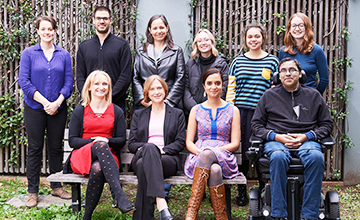
“I am studying the pathology of a newly identified form of congenital myopathy caused by variants in an enzyme called PYROXD1. We know very little about this enzyme, and so my work is trying to understand what it normally does, and how it causes muscle disease in patients. I enjoy the challenge of working on a new biological problem and knowing that our findings have the potential to help people affected by neuromuscular diseases.”
Dr. Frances Evesson, a postdoctoral scientist at the Institute for Neuroscience and Muscle Research at the Children’s Hospital at Westmead in Sydney, Australia, was awarded an MDA Development Grant totaling $180,000 over 3 years to study PYROXD1, a novel cause of congenital myopathy due to accrued oxidative distress.
Dr. Evesson’s work has identified a new gene, PYROXD1, that causes a congenital myopathy. Individuals with variants in PYROXD1 present with typical congenital myopathy symptoms in early childhood: poor muscle tone, respiratory problems, difficulty feeding and swallowing, and later development of distinctive nasal speech.
Dr. Evesson aims to define the function of PYROXD1 and to better understand the physiological effect of loss of PYROXD1 activity in skeletal muscle. PYROXD1 myopathy highlights a new disease pathway in the myopathies, with many similar features to neurodegenerative disorders. Dr. Evesson will use cell- and animal-based assays to probe the role of PYROXD1 in skeletal muscle and extend her studies to a potential role in the brain. These studies have relevance for the understanding of basic biology and also have direct relevance for patients with myopathies, with the ultimate goal of developing effective therapies.
https://doi.org/10.55762/pc.gr.81519
Grantee: Congenital Myopathy– Dr. Frances Evesson, PhD
Grant type: Development Grant
Award total:
Institution:
Country:
Grant - Summer 2018 - LGMD – Dr. Peter Davies, PhD

“Given our past successes with calpains -1 and -2, we are now applying the same structure-guided approaches to study the third calpain family member, calpain-3, and its role in LGMD2A. Our overarching goal has been to use structure-guided approaches to design and develop calpain-specific inhibitors to treat calpainopathies.”
Dr. Peter Davies, Canada Research Chair in Protein Engineering and professor of Biochemistry & Biology at Queen’s University in Kingston, Ontario, was awarded an MDA Research Grant totaling $300,000 over 3 years to study calpain-3 stabilization as a potential treatment for limb girdle muscular dystrophy type 2A (LGMD2A).
LGMD2A is a genetic disease caused by defects in the gene for an enzyme called calpain-3. This enzyme is essential for the correct functioning of muscles and is thought to help recycle muscle proteins that have been damaged during some forms of exercise. If calpain-3 fails to do its job then damaged proteins accumulate and poison the muscles.
More than 500 mutations have been found in the gene for calpain-3 in patients from all over the world. Mutations that produce a deleted or shortened enzyme are easy to explain because the enzyme is then inactive. But about half of the mutations simply change a single amino acid at different places along calpain-3. Without a three-dimensional structure of the enzyme it is difficult to figure out how these changes cause a defect and what, if any, action can be taken to treat the condition.
Dr. Davies and colleagues will determine the structure of calpain-3 by X-ray crystallography. The goal is to have a complete map of the enzyme as well as the enzyme’s binding partners that help regulate its action. Locating the mutations on the map will help explain what caused the enzyme to fail and predict which cases of LGMD2A might be treatable with small molecules to stabilize the enzyme.
https://doi.org/10.55762/pc.gr.81534
Grantee: LGMD – Dr. Peter Davies, PhD
Grant type: Research Grant
Award total:
Institution:
Country:
Grant - Summer 2018 - Pompe and LGMD – Dr. Samya Chakravorty, PhD
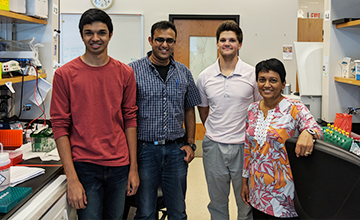
“This work will specify what proportion of LGMD multi-genic cases can reach a molecular diagnosis and get enrolled in clinical trials. Besides the clinical impact, this project will also have a major impact on our basic scientific understanding of how different LGMD subtypes and related diseases such as Pompe disease are related in the muscle genome.”
Dr. Samya Chakravorty, postdoctoral research fellow at Emory University in Atlanta, Georgia, was awarded an MDA Development Grant totaling $180,000 over 3 years to study the functional resolution of multi-genic Pompe and limb-girdle muscular dystrophy (LGMD).
LGMD subtypes are a group of genetic disorders with overlapping phenotypes among themselves and with Pompe disease, complicating accurate disease diagnosis. Genetic testing can aid in this process, but some estimates indicate that even after extensive genetic testing, 30% to 40% of neuromuscular disease patients never receive a complete molecular diagnosis. This is likely due to a combination of new disease genes not identified, as well as a combination of genes that can contribute to disease manifestation. Combinatorial functional assays will confirm this finding and reveal how gene networks may impact disease manifestations, which will improve molecular diagnosis.
Dr. Chakravorty and colleagues plan to use a discovery-driven approach to correlate gene networks with disease phenotype using patient muscle biopsy tissue to test the hypothesis that complex genetic pathways contribute to the Pompe and LGMD mechanism with high prevalence, potentially by synergistic effects of multiple genes.
Grantee: Pompe and LGMD – Dr. Samya Chakravorty, PhD
Grant type: Development Grant
Award total:
Institution:
Country:
Grant - Summer 2018 - CMT – Alessandra Bolino, PhD
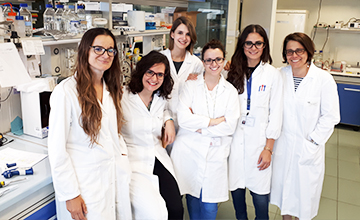
“Our research is aimed at unravelling how myelination is regulated in the PNS and how perturbation of these mechanisms can cause disease in humans.”
Alessandra Bolino, head of the Human Inherited Neuropathies Unit at IRCCS Ospedale San Raffaele in Milano, Italy, was awarded an MDA Research Grant totaling $300,000 over 3 years to study the targeting of phospholipid and cytoskeleton dynamics to ameliorate CMT neuropathies.
Charcot-Marie-Tooth type 4B1 is a very severe demyelinating neuropathy with childhood onset, characterized by myelin outfoldings, redundant loops of myelin in the nerve that degenerate causing axonal problems. Dr. Bolino’s research previously demonstrated that loss of MTMR2 (Myotubularin-related 2) phosphatase is the cause of the disease. MTMR2 acts on phospholipids, important regulators of membrane trafficking, which is a key process in Schwann cells, the glial cells forming myelin in the peripheral nervous system. Dr. Bolino and colleagues also generated in vitro and in vivo models of CMT4B1, which have been instrumental over the years to study the pathophysiology of this neuropathy.
By investigating the mechanism by which loss of MTMR2 leads to altered membrane trafficking and myelin outfoldings in Schwann cells, they identified a novel signaling pathway that regulates the cytoskeleton dynamics and membrane growth within myelin-forming cells. In this project, they will further characterize this novel pathway and test whether this pathway is a good drug target. These approaches can be extended to other forms of CMT that are characterized by myelin outfoldings (CMT4B2, B3, CMT4C, CMT4H).
https://doi.org/10.55762/pc.gr.81538
Grantee: CMT – Alessandra Bolino, PhD
Grant type: Research Grant
Award total:
Institution:
Country:
Grant - Summer 2018 - CMT – Bogdan Karl Beirowski, MD, PhD
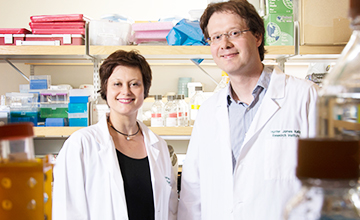
“Axon degeneration is a central component of irreversible neurological disability in many neuromuscular diseases. There is accumulating evidence that enwrapping glia provide metabolic support to axons, and perturbed metabolic functions in these glia can result in axon degeneration.”
Bogdan Karl Beirowski, assistant professor at the University at Buffalo in Buffalo, New York, was awarded an MDA Research Grant totaling $300,000 over 3 years to study metabolic support of axons by LKB1 signaling in Schwann cells. Dr. Beirowski was the recipient of an MDA development grant in 2012.
Degeneration of long axons is a hallmark in neuropathies and neuromuscular diseases like Charcot-Marie-Tooth (CMT), Friedreich’s ataxia (FA), amyotrophic lateral sclerosis (ALS), and spinal muscular atrophy (SMA). Axonal losses lead to the debilitating neurological symptoms in these conditions, but underlying mechanisms are only poorly understood. Axons do not exist in isolation but are intimately associated with Schwann cells (SCs), which provide metabolic support to axons. When metabolic functions in these cells are disrupted, it can result in axon degeneration. In CMT neuropathies, it remains unknown how malfunction in SCs results in axon degeneration.
The Beirowski lab recently showed that SCs support integrity of long axons by virtue of their metabolism. Disruption of metabolic function in SCs from transgenic mice results in progressive axon degeneration, recapitulating a key component of human neuromuscular disease. Using genetic mouse models in his laboratory, together with the application of novel technologies to study SC metabolism, Dr. Beirowski and colleagues plan to identify glial metabolic pathways important for regulation of axon integrity and to investigate if abnormalities in such pathways may contribute to nerve damage and axon demise in CMT neuropathy models.
https://doi.org/10.55762/pc.gr.81537
Grantee: CMT – Bogdan Karl Beirowski, MD, PhD
Grant type: Research Grant
Award total:
Institution:
Country:
Grant - Additional Grant 2018 - Nicholas Johnson, M.D.

“We believe that the absence of tools to measure disease progression is a major barrier to conducting drug trials in this underserved population,” Nicholas Johnson said. “This is critically important given the exciting progress in gene therapy. “We are focused on developing these tools, with a particular focus on those assessments that may be used across different LGMD types, and which assessments are unique to specific subtypes. Progress in these areas is best suited for a research network that is geographically distributed and includes investigators with varied expertise in clinical and laboratory methods.”
The Muscular Dystrophy Association awarded an MDA clinical research network grant to Nicholas Johnson, vice chair of research and associate professor of neurology at Virginia Commonwealth University in Richmond, to establish the Limb-Girdle Muscular Dystrophy (LGMD) Clinical Research Network.
The investment, totaling $700,000 over two years, supports seven centers with expertise in LGMD research and clinical care and is targeted to facilitate the development of tools and infrastructure needed to efficiently and effectively conduct clinical trials and accelerate treatments for LGMD.
Therapy development in LGMD can significantly benefit from rich natural history data to describe the clinical course of the different forms of LGMD, as well as from validated clinical outcome assessments which can be used to determine whether a drug or intervention has provided treatment benefit.
Through the coordinated activities and enhanced communication among this new network of LGMD clinics, Johnson and colleagues aim to standardize approaches and develop the clinical outcome assessments to be for used in future clinical trials.
If successful, the LGMD Clinical Research Network could facilitate the development and testing of a number of promising new LGMD therapeutic approaches.
https://doi.org/10.55762/pc.gr.80679
Grantee: LGMD - Nicholas Johnson, M.D.
Grant type: Clinical Research Network Grant
Award total:
Institution:
Country:
Grant - Additional Grant 2018 - Mary M. Reilly

“We are grateful to MDA for its support of this extremely important work,” Mary Reilly said. “The results from our pilot study of an MRI neuromuscular protocol in CMT1A are promising and we anticipate we will be able to confirm responsiveness with a refined protocol in children with CMT1A and in the other three common types of CMT.”
Mary M. Reilly, professor of clinical neurology and consultant neurologist, UCL Institute of Neurology and National Hospital for Neurology and Neurosurgery, London, was awarded an MDA human clinical trials grant totaling $1 million to evaluate a new magnetic resonance imaging (MRI) protocol designed to detect disease-related changes in muscles over time in Charcot Marie Tooth disease (CMT).
In CMT, damaged motor nerves are unable to send adequate signals to muscles. This leads to muscle weakness and wasting, as well as other abnormal changes including the accumulation of fat in muscle tissue, which can be detected by MRI.
Reilly’s team has developed an MRI protocol to measure fat accumulation in thigh and calf muscles. In a pilot study to determine the protocol’s effectiveness at measuring fat infiltration in adults with CMT1A, Reilly’s team showed that the presence of calf muscle fat increased significantly over a 12-month time period.
With the new MDA funding, the team will work to refine the new protocol to include foot muscles, which could make it effective in mild cases of CMT where fat accumulation occurs more often in the feet than in calves. The team will study the refined protocol in children with CMT1A, as well as in the other three most common types of CMT: CMT1B, CMT2A and CMTX.
If successful, Reilly’s work could result in a sensitive, validated outcome measure in multiple forms of CMT, in both children and adults, that could allow researchers conducting clinical trials to reliably detect any positive effects of a candidate treatment within a 1- to 2-year timeframe.
https://doi.org/10.55762/pc.gr.79107
Grantee: CMT - Mary M. Reilly, M.D., FRCP, FRCPI
Grant type: Human Clinical Trial Grant
Award total:
Institution:
Country:
Grant - Additional Grant 2018 - Jeffrey Statland, M.D.
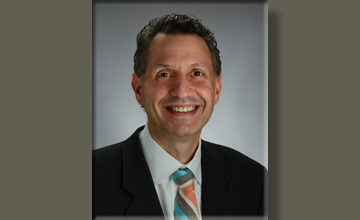
“Meetings with industry leaders, advocacy groups and FSHD researchers have identified several gaps in our clinical trial arsenal and have pinpointed clinical trial planning as a major goal for the community,” Jeffrey Statland, M.D., said. “Not only will the FSHD CTRN help close gaps in trial readiness, but a network of sites will be created with a centralized streamlined regulatory process, specific common expertise in FSHD and an engaged patient population ready to conduct efficient, high-quality clinical trials.”
Jeffrey Statland, assistant professor of neurology at University of Kansas Medical Center in Kansas City, was awarded an MDA clinical research network grant totaling $1.2 million to expand the facioscapulohumeral muscular dystrophy (FSHD) Clinical Trial Research Network.
With colleagues, Statland is building a team of trained clinical evaluators who will all work with standardized approaches and developing regulatory strategies optimized to streamline high-quality drug trials.
The network will help ensure that clinical trials can be conducted quickly and efficiently to test potential treatments coming out of a rapidly growing pipeline of FSHD drugs in development. Ultimately, it may speed therapy development for FSHD.
Grantee: FSHD - Jeffrey Statland, M.D.
Grant type: Clinical Research Network Grant
Award total:
Institution:
Country:
Grant - Additional Grant 2013 - ALS – Nazem Atassi, M.D., MSSc

“One of the main roadblocks for ALS drug development is the lack of markers that tell us about drug efficacy in patients,” Nazem Atassi says. “With the recent science explosion and the exciting potential ALS treatment targets, we now need efficient tools that will allow us to quickly test many treatments.”
MDA has awarded a human clinical trial grant totaling $750,000 to ALS ONE to explore the potential for a type of imaging called positron emission tomography (PET) to measure inflammation in the brain that could serve as a biomarker for ALS.
ALS ONE is an alliance between four institutional leaders in ALS treatment development: Massachusetts General Hospital (MGH), ALS Therapy Development Institute (ALS TDI), University of Massachusetts Medical School, and Compassionate Care ALS (CCALS). The partnership was formed with the goal of speeding the discovery of treatments for ALS and developing new approaches to improve care for individuals living with the disease.
The new project, led by Nazem Atassi, M.D., MSSc, will use PET imaging to track inflammation in healthy people who carry a known ALS gene and in symptomatic people with early-stage ALS. Atassi is a member of the ALS ONE science team, associate director for the Neurological Clinical Research Institute at Massachusetts General Hospital and associate professor of neurology at Harvard Medical School.
Early data from previous studies conducted by Atassi and colleagues have shown significantly increased inflammation in the motor regions in people with ALS. The team also found that ALS patients who have more inflammation tend to have more advanced disease and worse functional status. Implementing PET technology potentially could reduce both the duration of future trials as well as the number of participants required to enroll. This would add enormous efficiency to ALS drug development.
“This project is poised to change the paradigm of ALS drug development and have a direct impact on the design of future treatment trials for both familial and sporadic ALS,” Atassi says.
Grantee: ALS – Nazem Atassi, M.D., MSSc
Grant type: Human Clinical Trial Grant
Award total:
Institution:
Country:
Grant - Winter 2018 - Myofibrillar Myopathy – Robert Bryson-Richardson, Ph.D.
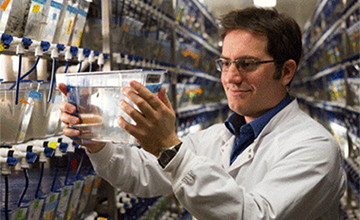
“We are testing multiple drugs in our animal model,” Robert Bryson-Richardson said. “Some of these, if effective, could be suitable for clinical use. Those that are not suitable for clinical use will help us to identify pathways that could be targeted in future therapies.”
Robert Bryson-Richardson, associate professor at the School of Biological Sciences, Monash University, in Victoria, Australia, was awarded an MDA research grant totaling $273,962 over three years to investigate potential approaches to treating myofibrillar myopathy (MFM) caused by a mutation in the Filamin C gene.
With colleagues, Bryson-Richardson has generated zebrafish models for MFM caused by a Filamin C mutation that reproduce key symptoms of the disease including accumulation of Filamin C protein into aggregates (clumps) and loss of muscle integrity, leading to muscle weakness. Using the models, the team is investigating two potential approaches to treat the disease: increasing the level of functional Filamin C protein overall so that there is more present in the muscle to compensate for the loss of some of it to aggregates, and removing the protein aggregates to slow down the sequestration of Filamin C.
In addition, the team is using CRISPR/Cas9 gene editing technology to develop new zebrafish models for the disease and screen for drugs that potentially could provide clinical benefit by increasing the level of functional protein or removing protein aggregates.
https://doi.org/10.55762/pc.gr.79226
Grantee: Myofibrillar Myopathy – Robert Bryson-Richardson, Ph.D.
Grant type: Research Grant
Award total:
Institution:
Country:
Grant - Winter 2018 - LGMD + other NMDs – Daniel MacArthur, Ph.D.
The low prevalence of similar rare muscle disease patients means that recruiting for a study with in-person visits is often infeasible, Daniel MacArthur said. Working with MDA, we have developed the Rare Genomes Project to give patients the opportunity to participate in a research study no matter where they live.
Daniel MacArthur, co-director of medical and population genetics at the Broad Institute of Harvard and MIT in Cambridge, Mass., was awarded an MDA research infrastructure grant totaling $110,000 to create a neuromuscular disease-specific platform for the Rare Genome Project, which will provide more individuals living with neuromuscular diseases access to a definitive diagnosis, through advanced genome sequencing techniques.
This new partnership between the Broad Institute and MDA will focus on two groups: individuals with rare diseases for which onset occurred before the age of 13 years, and those who have gone through MDA’s LGMD genetic testing program and did not receive a definitive diagnosis.
Two MDA co-branded web portals will be developed through which participants can complete questionnaires. Information will be collected on demographics, symptoms and affected family members.
Grantee: LGMD + other NMDs – Daniel MacArthur, Ph.D.
Grant type: Infrastructure Grant
Award total:
Institution:
Country:
Grant - Winter 2018 - Inclusion Body Myositis (IBM) + Pompe disease + CNM/MTM - Marta Margeta, M.D., Ph.D.

“Both autophagy impairment and excessive autophagy activation play a role in many human diseases including cancer and Parkinson disease,” Marta Margeta said. “In the neuromuscular disease field, autophagy impairment plays a role in centronuclear myopathies and lysosomal storage myopathies. Our work has a potential to affect all these disparate research areas.”
Marta Margeta, associate professor of pathology at University of California San Francisco School of Medicine, was awarded an MDA research grant totaling $200,000 over two years to improve understanding of the cellular and molecular pathways by which dysregulation of a process called autophagy impairs skeletal muscle function and leads to muscle injury in sporadic inclusion-body myositis (IBM) and other neuromuscular diseases.
Autophagy is a fundamental metabolic process with many important cellular functions, one of which is to degrade damaged cellular organelles and misfolded proteins whose presence otherwise would lead to cell dysfunction.
Evidence of autophagy dysregulation is present in a number of inherited and acquired skeletal myopathies, including the lysosomal storage disorder Pompe disease (AMD), sporadic IBM, centronuclear myopathies, and inherited as well as drug-induced autophagic vacuolar myopathies. However, the underlying molecular and cellular mechanisms are poorly understood.
With colleagues, Margeta is working to uncover the mechanisms by which autophagy dysregulation impairs skeletal muscle function and leads to muscle injury in both in vitro and in vivo models of drug-induced autophagic myopathy.
If successful, this work could facilitate the development of pharmacologic therapies for inclusion body myositis and other autophagic myopathies.
Grantee: Inclusion Body Myositis (IBM) + Pompe disease + CNM/MTM - Marta Margeta, M.D., Ph.D.
Grant type: Research Grant
Award total:
Institution:
Country:
Grant - Winter 2018 - FA – David Lynch, M.D., Ph.D.

“Several therapies in clinical trials have shown an unexpected immediate benefit — of days to a few weeks — especially improvement in fatigue and speech, very different from the slow disease progression based on neuronal loss,” David Lynch said. “These results imply that our understanding of Friedreich’s ataxia neuropathology is limited, in that some neurological deficits in FA are more readily modifiable at the early stage of disease.”
David Lynch, professor of neurology at the Children’s Hospital of Philadelphia, was awarded an MDA research grant totaling $300,000 over three years to improve understanding of neurological dysfunction in Friedreich’s ataxia (FA).
FA is caused by deficiency of the mitochondrial protein frataxin. To date, a number of clinical trials to test mitochondrial enhancers and frataxin restoration drugs in FA have shown an unexpected short-term response, particularly in speech dysfunction and fatigue. However, speech dysfunction in FA does not stem from brain regions in which cell loss occurs early in the disease. Instead, such deficits may be caused by early synaptic abnormalities. If this is the case, it may be possible to therapeutically target these abnormalities and ameliorate symptoms of speech deficit and fatigue.
In previous studies, Lynch and colleagues have identified early impaired cerebellar mitochondrial biogenesis and synaptic deficits in a mouse model with neurobehavioral deficits analogous to the clinical manifestations observed in people with FA. The team hypothesizes that deficiency of frataxin protein in the cerebellum leads to cerebellar mitochondrial and synaptic deficits that contribute to cerebellar dysfunction and ataxia in FA patients.
Now the team is working to determine if rescuing mitochondrial biogenesis or synaptic deficits can reverse cerebellar dysfunction and neurobehavioral deficits in the FA mouse models.
If successful, this work could improve the understanding of neurological dysfunction in FA, which could immediately translate to novel treatment strategies for FA patients.
Grantee: FA – David Lynch, M.D., Ph.D.
Grant type: Research Grant
Award total:
Institution:
Country:
Grant - Winter 2018 - DMD – Matthew Alexander, Ph.D.
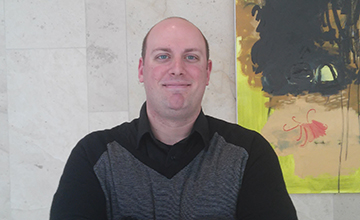
“Many drugs for neuromuscular diseases fail to win FDA approval, resulting in a large amount of wasted time and resources,” Matthew Alexander said. “Our approach to rigorously test compounds in multiple disease-relevant DMD animal models — mainly zebrafish and mice — can eliminate some of the false-positive drug hits and speed up approval for drug compounds.”
Matthew Alexander, assistant professor of pediatric neurology and genetics at the University of Alabama at Birmingham School of Medicine and Children’s of Alabama, was awarded an MDA research grant totaling $298,650 over three years to evaluate the effects of an experimental compound called KPT-350, developed by Karyopharm Therapeutics, on Duchenne muscular dystrophy (DMD)-affected muscle.
In studies, results have shown that KPT-350 blocks inflammation and neurotoxicity, and extends life span in animal models of neurological and neuromuscular disease. Now, in collaboration with Karyopharm Therapeutics, Alexander is continuing preclinical development of the compound for DMD, establishing optimal dosing and characterizing the drug’s efficacy in mouse heart and skeletal muscle.
The team will perform rigorous long-term testing and pharmacokinetic preclinical analysis of the systemic effects of KPT-350 on DMD mice at key developmental timepoints throughout the progression of disease. The will perform analysis on skeletal muscle, heart and other tissues affected by DMD in an effort to identify the optimal time point at which KPT-350 should be administered to DMD mice and determine whether there is a point of no return after which the drug cannot improve muscle pathology because the disease progression is too severe.
If successful, Alexander’s work could lend strong support to advancing the development of KPT-350 for the treatment of DMD.
Grantee: DMD – Matthew Alexander, Ph.D.
Grant type: Research Grant
Award total:
Institution:
Country:
Grant - Winter 2018 - DMD – David Hammers, Ph.D.
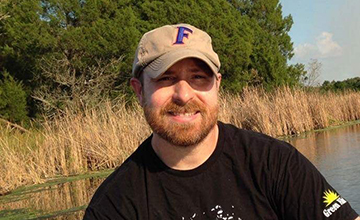
“The development of effective therapeutics to target fibrosis is greatly needed to increase both the quality and quantity of life for current DMD patients,” David Hammers said. “This need will continue, even when advancements in gene therapy or gene editing are capable of turning DMD into a milder form of disease, of which fibrosis will still be a feature.”
David Hammers, research assistant professor at the College of Medicine, University of Florida in Gainesville, was awarded an MDA development grant totaling $180,000 over three years to improve understanding of fibrosis in Duchenne muscular dystrophy (DMD)-affected muscle.
In DMD, skeletal muscle degenerates and is replaced with non-functional connective tissue in a process called fibrosis.
To better understand fibrosis in DMD, Hammers and colleagues are investigating the role of cells in the muscle stroma (connective tissue cells) that appear to be in an inappropriate state of senescence, or growth arrest. In other diseases, senescent cells can secrete repair-inhibiting factors and drive fibrosis.
Using a DMD mouse model, Hammers is working to characterize the senescent cells, including determining their numbers, their ability to grow and whether they secrete factors that affect fibrosis. Additionally, he plans to assess whether an enzyme called NOX4 plays a role in causing cellular senescence, and whether it could be targeted with a drug to treat muscle fibrosis in DMD.
If successful, Hammers’ work could provide detailed information about a novel mechanism of muscle fibrosis and help pinpoint new therapeutic targets for the development of anti-fibrotic therapeutics in DMD.
Grantee: DMD – David Hammers, Ph.D.
Grant type: Development Grant
Award total:
Institution:
Country:
Grant - Winter 2018 - CMT – Stephan Zuchner, M.D., Ph.D.
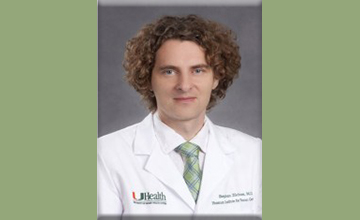
An open Charcot-Marie-Tooth genetics data resource could help expedite CMT research, from gene identification to drug discovery and development.
Stephan Zuchner, chairman of the Dr. John T. Macdonald Foundation of Human Genetics at the University of Miami School of Medicine in Florida, was awarded an MDA research infrastructure grant totaling $384,967 over three years to expand and make more widely available resources to streamline gene identification and therapy development efforts for Charcot-Marie-Tooth disease (CMT).
Approximately 40 percent of people with CMT do not have a confirmed genetic diagnosis, highlighting the need for a continued focus on gene identification efforts for CMT. Since the most common causative genes for CMT have already been identified, there exists a need for genetic analysis across larger cohorts of patients to find rare causes of disease.
In collaboration with the Inherited Neuropathy Consortium, Zuchner is working to develop a genomic data infrastructure platform. This open CMT genetics data resource will allow for aggregation, archiving, analysis, comparison and sharing of genetic data among many laboratories and institutions. The resource could speed CMT research from gene identification to therapy discovery and development.
Making such data available to CMT researchers in the United States and around the world, could improve diagnostic processes, guide functional studies and drug discovery, and build the foundation for the patient selection process necessary for well-designed clinical trials.
Grantee: CMT – Stephan Zuchner, M.D., Ph.D.
Grant type: Infrastructure Grant
Award total:
Institution:
Country:
Grant - Winter 2018 - CMD – Dwi Kemaladewi, Ph.D.
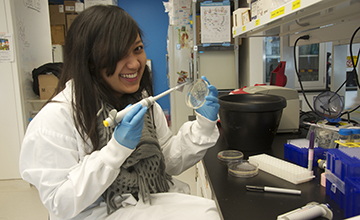
“Successful completion of this project will provide us with the necessary preclinical data and comprehensive strategy to bring CRISPR/Cas9-mediated gene correction closer to clinical application,” Dwi Kemaladewi said.
Dwi Kemaladewi, research associate in the Program of Genetics and Genome Biology at SickKids Research Institute, Toronto, Canada, was awarded an MDA development grant totaling $180,000 over three years to explore the potential of gene correction therapy in merosin-deficient congenital muscular dystrophy (MDC1A), which is caused by a mutation in the LAMA2 gene.
In studies conducted in an MDC1A mouse model, Kemaladewi and colleagues are working to determine whether CRISPR/Cas9 gene editing technology can restore LAMA2 gene expression and in turn, production of LAMA2 protein, an important component in the stability and organization of skeletal muscle and nerves.
If successful, Kemaladewi’s work could provide the necessary preclinical data and comprehensive strategy to bring CRISPR/Cas9-mediated gene correction closer to clinical application.
Grantee: CMD – Dwi Kemaladewi, Ph.D.
Grant type: Development Grant
Award total:
Institution:
Country:
Grant - Winter 2018 - CCD – Amy Hanna, Ph.D.

Hanna’s work is aimed at shedding light on how ryanodine receptor and calsequestrin mutations that alter calcium handling and cause protein aggregation lead to muscle myopathies such as central core disease.
Amy Hanna, postdoctoral associate at Baylor College of Medicine in Houston, was awarded an MDA development grant totaling $180,000 over three years to increase understanding of the pathways that lead to muscle myopathy in central core disease (CCD).
The release of calcium from a storage compartment inside the muscle fiber plays a crucial role in muscle contraction — and is itself controlled by the ryanodine receptor (RyR1) protein. Mutations in the ryanodine receptor can lead to the accumulation of misfolded protein inside the muscle fiber, which in turn causes the myopathy seen in CCD. However, it’s unknown how an RyR1 mutation can lead to the accumulation of misfolded proteins.
Based on new evidence supporting a role for calsequestrin, a protein that regulates the ryanodine receptor, Hanna and colleagues are working to determine whether calsequestrin is redistributed in CCD muscles, triggering the activation of signaling pathways that cause muscle myopathy. The team is now working to use a new animal model of calsequestrin-linked myopathy to directly test if abnormal calsequestrin can trigger the endoplasmic reticulum (ER) and oxidative stress pathways in muscle.
If successful, this work could lead to a greater understanding of the pathways that lead to muscle myopathy and inform the development of new therapeutic options that restore muscle size and strength and improve the quality of life for people with CCD and other forms of neuromuscular disease where ER and oxidative stress contribute to muscle dysfunction.
Grantee: CCD – Amy Hanna, Ph.D.
Grant type: Development Grant
Award total:
Institution:
Country:
Grant - Winter 2018 - ALS – Target ALS

An urgent need exists in ALS research for biological indicators called biomarkers that can be used for diagnostic purposes, to measure disease progression and to assess drug performance in clinical trials.
MDA and the Target ALS Foundation announced a partnership in September 2016. Now, MDA has partnered again with Target ALS to provide $100,000 in support to advance the collaborative work of the Target ALS precompetitive biomarker initiative.
A recent poll of top pharmaceutical and biotech companies working in the ALS (amyotrophic lateral sclerosis) space ranked biomarker validation as a top priority in efforts to make ALS research more attractive to industry partners. This new collaboration between MDA, Target ALS and other organizations will leverage biofluids collected from ALS patients in the National Institutes of Health-supported CReATe consortium to independently validate a list of leading biomarkers.
Data will be shared in an open-access manner to benefit industry as well as the wider ALS community.
If successful, the work could help attract industry partners to the ALS therapy development space, accelerating the search for treatments and cures.
Grantee: ALS – Target ALS
Grant type: Infrastructure Grant
Award total:
Institution:
Country:
Grant - Winter 2018 - ALS – Kristi Wharton, Ph.D.

“It is likely that success in identifying a therapeutic intervention, as well as a cure, will only come when the ability to suppress ALS-associated degeneration is evaluated in the context of the whole organism, with an intact nervous system and motor circuit,” Kristi Wharton said.
Kristi Wharton, professor of biology at the Brown University Institute for Brain Science in Providence, R.I., was awarded an MDA research grant totaling $103,750 over six months. In this new academic-industry partnership, Wharton is working to identify novel drug targets for ALS (amyotrophic lateral sclerosis) that might quickly be developed using the resources available at Pfizer.
Wharton and colleagues are using fruit fly and worm models of ALS to perform chemical screens for factors that alleviate motor neuron degeneration. The team aims to optimize screening design and establish feasibility for screens using the Pfizer chemogenomics library.
The proposed Brown/Pfizer collaboration takes advantage of each team’s respective strengths and expertise, Wharton said. Brown researchers contribute their experience in generating and evaluating human disease models and screening, while Pfizer researchers contribute their deep knowledge of treatment strategies, their proprietary chemogenomics library of a diverse set of compounds with known physicochemical properties, their screening expertise, and an array of molecular reagents.
If successful, this work could inform the development of therapies targeted to slow or stop neurodegeneration in ALS and, possibly, other neurodegenerative diseases.
Grantee: ALS – Kristi Wharton, Ph.D.
Grant type: Research Grant
Award total:
Institution:
Country:
MDA Resource Center: We’re Here For You
Our trained specialists are here to provide one-on-one support for every part of your journey. Send a message below or call us at 1-833-ASK-MDA1 (1-833-275-6321). If you live outside the U.S., we may be able to connect you to muscular dystrophy groups in your area, but MDA programs are only available in the U.S.