Congenital Muscular Dystrophy (CMD)
Congenital Muscular Dystrophy (CMD)
What is congenital muscular dystrophy (CMD)?
Congenital muscular dystrophy (CMD) refers to a group of inherited neuromuscular disorders that are present at or near birth and primarily affect skeletal muscle structure and function.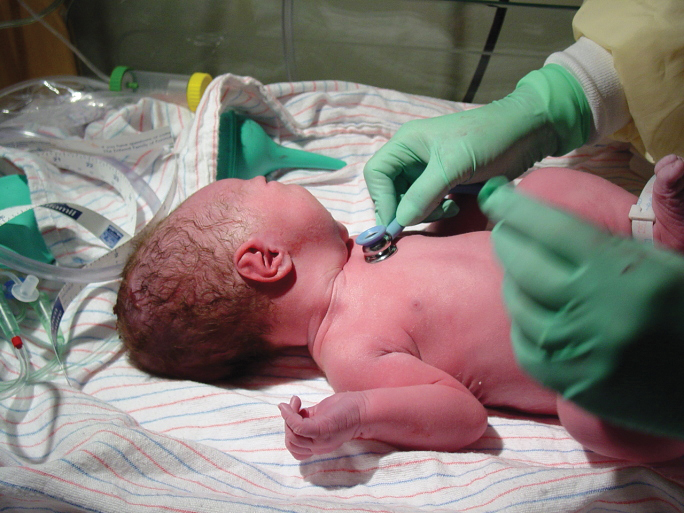
For more on specific types of CMD, see Types of CMD.
What are the symptoms of CMD?
CMD typically causes generalized muscle weakness and low muscle tone from infancy. Depending on the subtype, CMD may involve joint stiffness or looseness, abnormal spinal curvature (scoliosis), respiratory insufficiency, and in some forms, learning and intellectual disabilities, eye abnormalities, or seizures. For more, see Types of CMD and Signs and Symptoms.
What causes CMD?
CMD is caused by genetic mutations affecting some of the proteins necessary for muscle structure and function. Some forms also involve brain or eye development. Inheritance patterns vary and may include autosomal recessive, autosomal dominant, or spontaneous mutations. See Causes/Inheritance.
What is the progression of CMD?
CMD has its onset at or near birth, and progression is variable depending on the subtype. Many forms are slowly progressive, while others may lead to significant disability or reduced life expectancy.
What is the status of research on CMD?
Researchers have identified many of the genes that, when defective, cause various forms of CMD. These discoveries have led to greater understanding of these diseases and advances in diagnosis and treatment strategies. For more, see Research.
Additional reading
- Pasrija D, Tadi P. Congenital Muscular Dystrophy. [Updated 2023 Jul 3]. In: StatPearls [Internet]. Treasure Island (FL): StatPearls Publishing; 2026 Jan-. Available from: https://www.ncbi.nlm.nih.gov/books/NBK558956/
Last reviewed June 2026.
Looking for more information, support or ways to get involved?
Find MDA
in your Community
-

Grants at a Glance
Read More -

Search for Clinical Trials
Learn More