
Latest Editions
-
 Quest Issue 2, 2022
 -
 Quest Issue 1, 2022
 -
 Quest Issue 4, 2021
 -
 Quest Issue 3, 2021
Recent Quest Articles
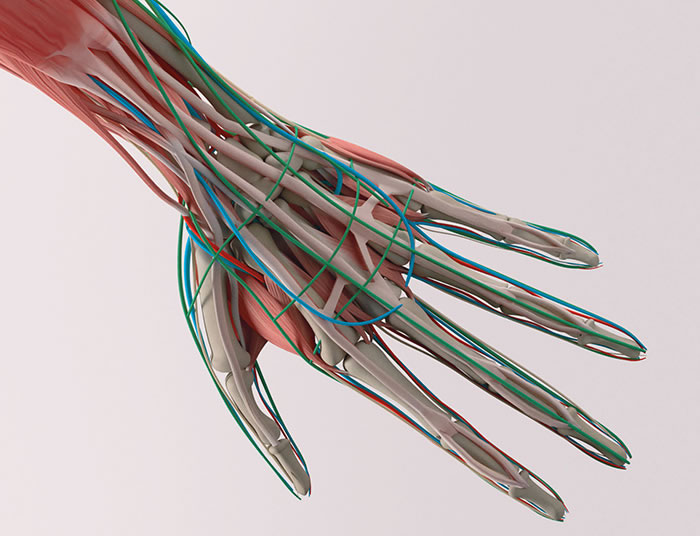
The Search for Inclusion-Body Myositis Treatment
Inclusion-body myositis (IBM) is one of the most common disabling inflammatory myopathies in older adults, but its underlying cause is poorly understood.IBM is characterized by progressive muscle weakness and wasting. In patients with the disease, inflammatory cells invade muscle tissue and collect between the muscle fibers. Muscle biopsies of patients diagnosed with IBM reveal multiple “inclusion bodies” containing cellular material of dead tissue.
Read More
The Way of the Future
As the novel coronavirus pandemic has called for vigilance in health safety measures such as social distancing — especially for people with neuromuscular disease who are at higher risk for severe illness related to COVID-19 — many of us have had to rethink how we do what we need to do. We’ve adjusted how we see our families and friends, how we get food and medicine, and how we continue care with therapists and physicians who, themselves, may work in high-risk locations.
Read More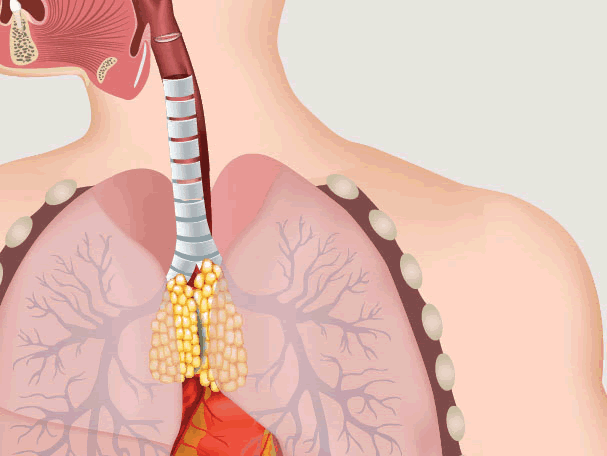
The Expanding Therapeutic Landscape for Myasthenia Gravis
Myasthenia gravis (MG) is an autoimmune disease that leads to muscle weakness. It affects about 14 to 20 out of every 100,000 people. The age of onset varies widely, but typically it is diagnosed in women in their 20s and 30s and men in their 60s or later. In about 10% to 15% of cases, MG begins in childhood.
Read More
Change for the Better
Stephanie Erbacher is a passionate advocate on behalf of her 12-year-old daughter, Rylie, who has spinal muscular atrophy (SMA). Her path to advocacy started when Rylie couldn’t swing at a local playground in Cedar Rapids, Iowa.“I pushed the parks department to put in an adaptive swing with back support and a solid harness in front,” Stephanie says. When park officials responded that an accessible playground might be built in more than a year, Stephanie pressed on, emailing the city manager and eventually talking to the superintendent of parks. “I let them know I had researched costs of the swing and was very motivated to work with the city to see how we could find a solution that would allow disabled children to have even just a single option to be included at the playground.”
Read More
Expanding Access to Genetic Testing
Genetic testing plays an important role in diagnosing, treating, and managing neuromuscular disease. “Genetic testing can shorten the time to diagnosis and prevent misdiagnosis of muscular dystrophies,” says Robert Nussbaum, MD, chief medical officer of Invitae, a leader in advanced medical genetics. “An earlier, accurate diagnosis can facilitate earlier interventions, alert physicians about potential complications, allow genetic counseling of family members, and support clinical research into neuromuscular diseases.”
Read More
Smashing Stereotypes
We all know sororities have a stereotype: skinny girls with blonde hair and blue eyes. I have never seen a disabled sorority girl.Despite that stereotype, I knew I wanted to be a part of Greek life when I started my freshman year at Central Michigan University (CMU) in fall 2019. I signed up for formal recruitment as soon as registration opened.
Read More
MDA’s 2020 Advocacy Agenda Update
There’s no doubt that 2020 has not turned out the way anyone expected. The COVID-19 pandemic has caused all of us to rethink our plans, including MDA’s 2020 Advocacy agenda. Although our priorities have shifted to accommodate the new challenges presented by the pandemic, our commitment to ensuring lawmakers hear the voices of the neuromuscular disease (NMD) community remains steadfast, especially in these uncertain times.
Read More
Pompe Disease Treatment Is Moving Forward
Pompe disease (also called acid maltase deficiency) is a rare, inherited glycogen storage disease that affects the muscles, particularly the heart and skeletal muscles. It results from mutations in a gene that carries instructions to make the enzyme acid alpha-glucosidase (GAA), also called acid maltase, which plays a role in the body’s ability to process and break down complex sugars (glycogen). With insufficient GAA, glycogen builds up in and damages muscle cells.
Read More
Coping Through a Crisis
(Editor’s note: In the print edition of Quest Issue 1, 2020, Sarah Clark-Stoney, MSW, LSW, was misquoted. Her quotes have been clarified here, and updated in the full, downloadable PDF version of Issue 1, 2020.) Fifteen years ago, my family lived through Hurricane Katrina in Louisiana. At the time, our son was a freshman in high school. Falling pine trees and rain destroyed half of our home. Rebuilding took seven months, and we lived in the chaos during the process.
Read More
Game On!
On March 21, MDA launched Game Night, a weekly Saturday night event designed to gather online gamers and families for regular connection (and a little healthy competition).It couldn’t have been better timed.MDA began developing its online gaming platform, MDA Let’s Play, in 2019. The idea was simple: connect the online gaming community and the MDA community — which already overlap — to grow a new network of support. And now, as families have found themselves practicing social distancing from friends, neighbors, and family, there’s no better time to go online for a bit of fun together in support of MDA’s cause — and maybe to build the most amazing Minecraft village in history while they’re at it.
Read MoreMDA Resource Center: We’re Here For You
Our trained specialists are here to provide one-on-one support for every part of your journey. Send a message below or call us at 1-833-ASK-MDA1 (1-833-275-6321). If you live outside the U.S., we may be able to connect you to muscular dystrophy groups in your area, but MDA programs are only available in the U.S.