Latest Editions
-
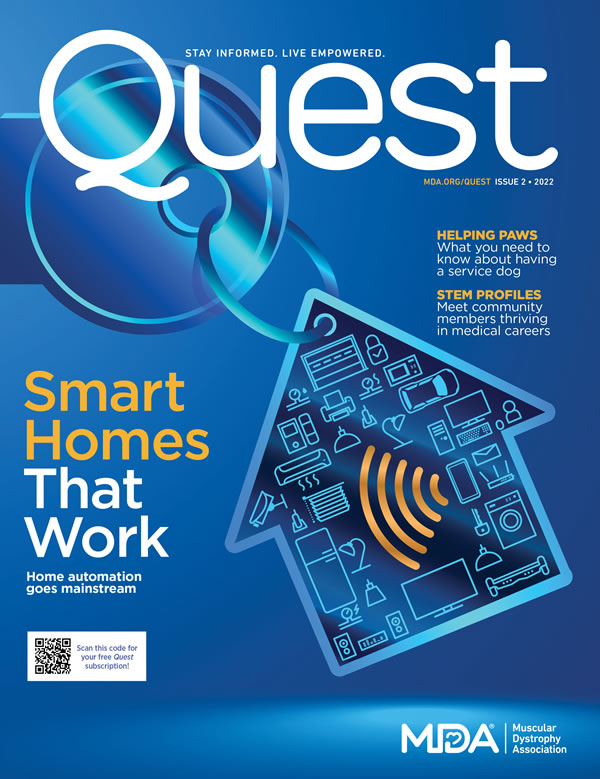 Quest Issue 2, 2022
 -
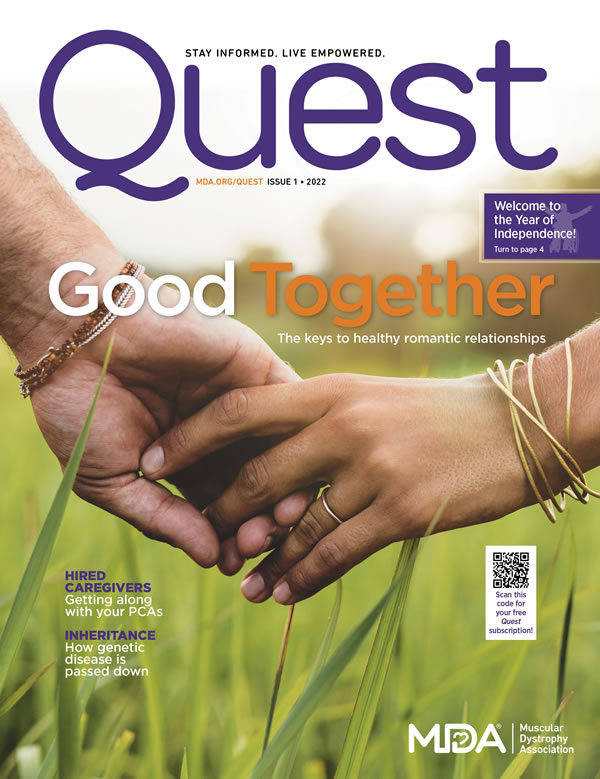 Quest Issue 1, 2022
 -
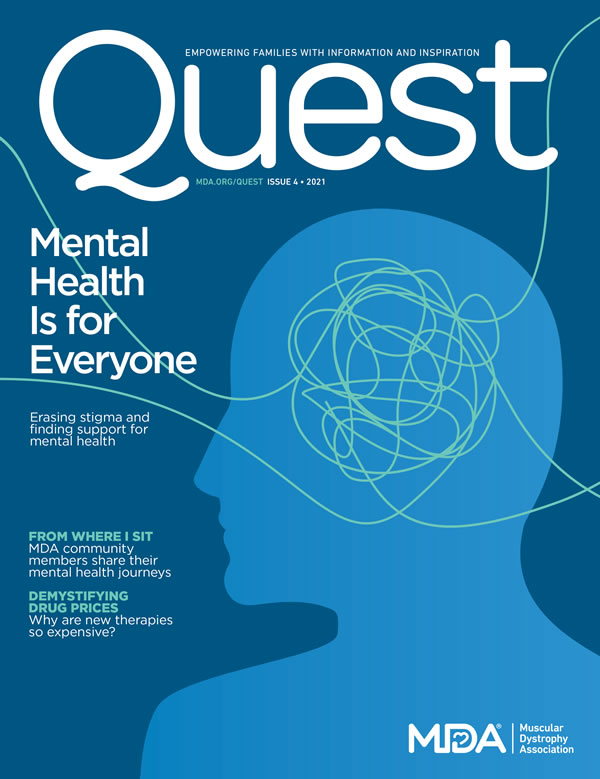 Quest Issue 4, 2021
 -
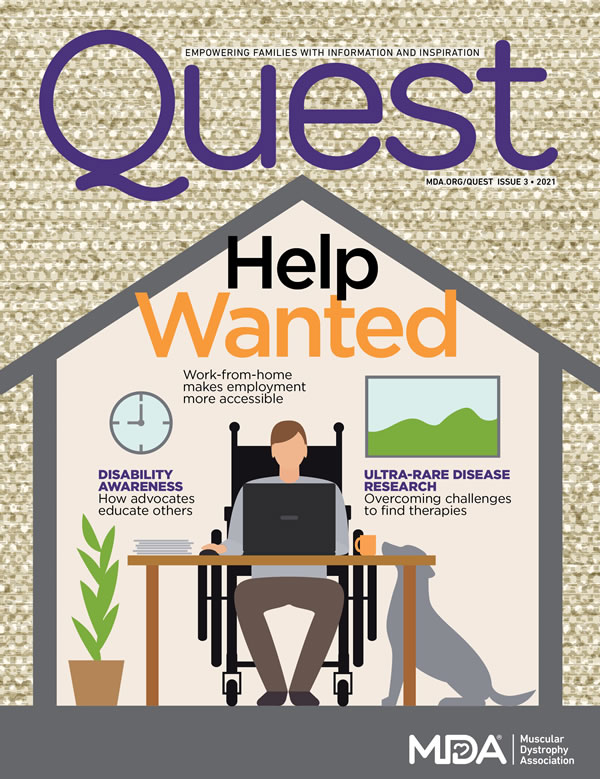 Quest Issue 3, 2021
Recent Quest Articles
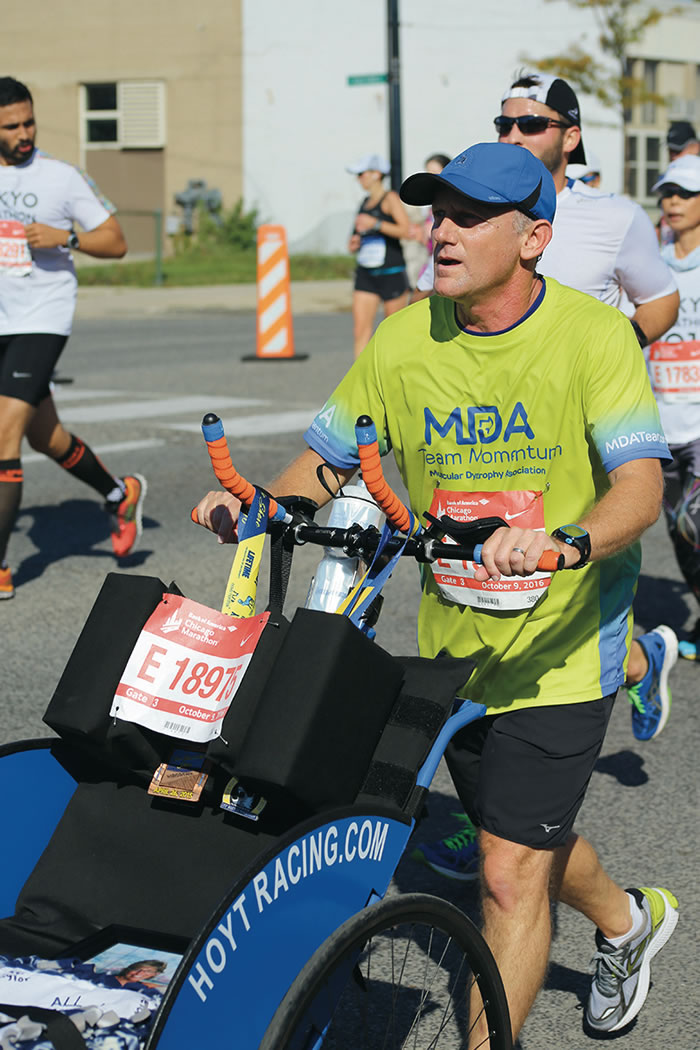
One Bike, Four Stories
Chris Benyo planned to push his wife, Denise, who lived with amyotrophic lateral sclerosis (ALS), over the finish line in her racing wheelchair, or duo bike, in the Bank of America Chicago Marathon in 2016. When she passed away before the race, he pushed the bike filled with mementos of her instead. He crossed the finish line holding Denise's photo. After the race, he donated the bike to MDA's Team Momentum.
Read More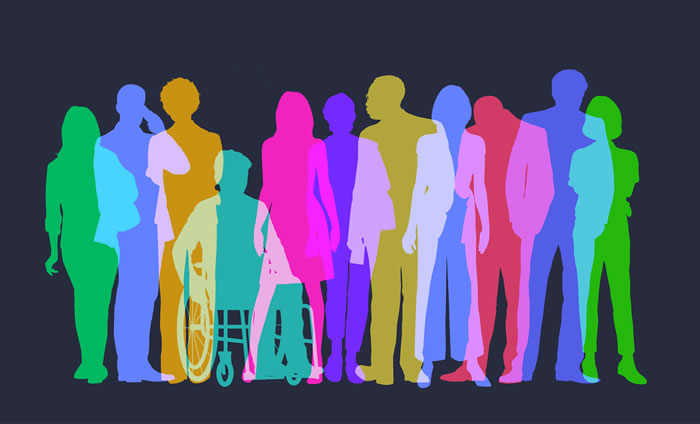
Advocating Against Ableism
When 19-year-old Jessica Hetzel was younger, she often felt unsettled by how others approached disability. Living with spinal muscular atrophy (SMA), she was aware of how people with disabilities were often segregated at school — put into special education rooms unnecessarily, for example — or spoken to as if they were tragic children or "in on the joke" about their conditions.
Read More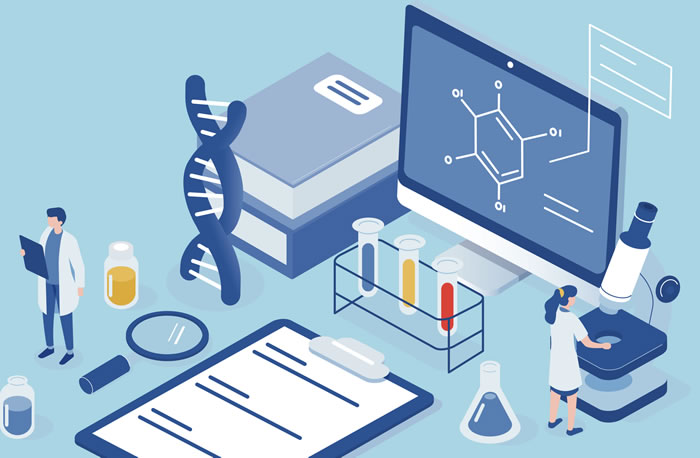
Researchers Want to Know More About Oculopharyngeal Muscular Dystrophy
Oculopharyngeal muscular dystrophy (OPMD) is rare, even among muscular dystrophies, with an incidence of 1 in 100,000 people. It is a late-onset disease, with symptoms typically first appearing after age 50.OPMD gets its cumbersome name from “oculopharyngeal,” meaning that the disease affects the muscles of the upper eyelids and the throat. People with OPMD generally develop droopy eyelids, called ptosis, as well as difficulty swallowing, or dysphagia. They also can experience progressive weakness in the legs.
Read More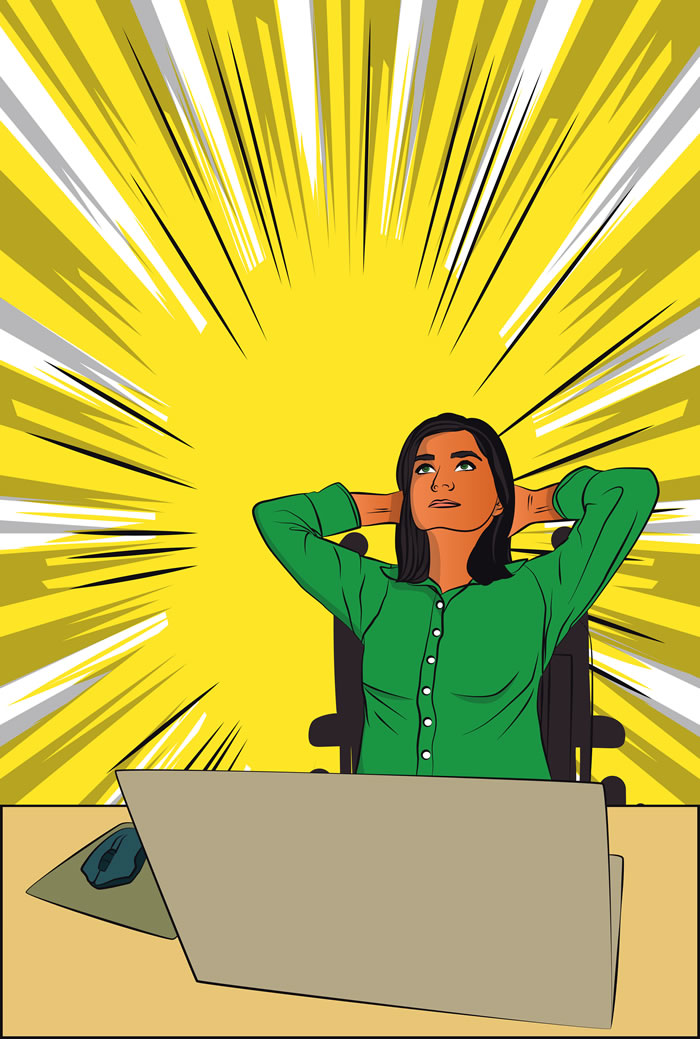
Help Wanted
Sarah Schwegel, an organizing and advocacy specialist with Paraquad in St. Louis, began working from home last March as the COVID-19 pandemic emerged in the United States. Having spinal muscular atrophy (SMA), Sarah realized that she was at higher risk for complications if she contracted the illness. Her employer supported her request to work remotely.
Read More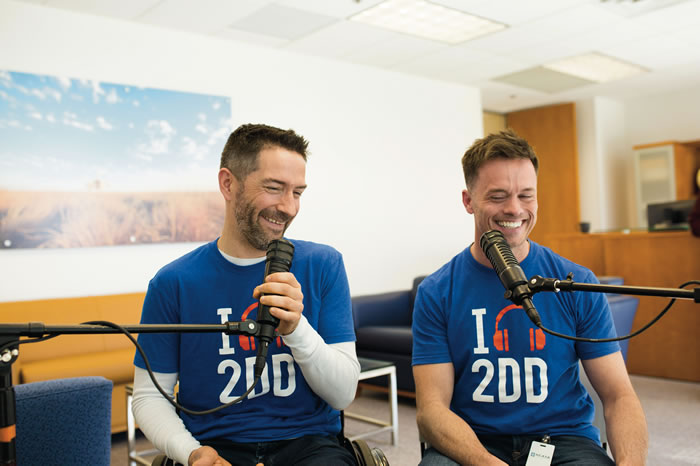
Creating Awareness
Navigating the impacts of a neuromuscular disease can be challenging enough, but added on top of that is the responsibility to educate others — talking to people at work, school, and in the community about disability awareness. Although having to address this issue again and again can be exhausting, the effort is crucial, believes Stephanie Bowers-Legg, who lives with myasthenia gravis (MG).
Read More
One in a Million
All the neuromuscular diseases MDA covers are considered rare, meaning they affect fewer than 1 in 20,000 individuals. But within each of those diseases, there are dozens of subtypes defined by the genetic mutations that cause them. Many, if not most, are considered ultra-rare, affecting fewer than 1 in 50,000.
Read More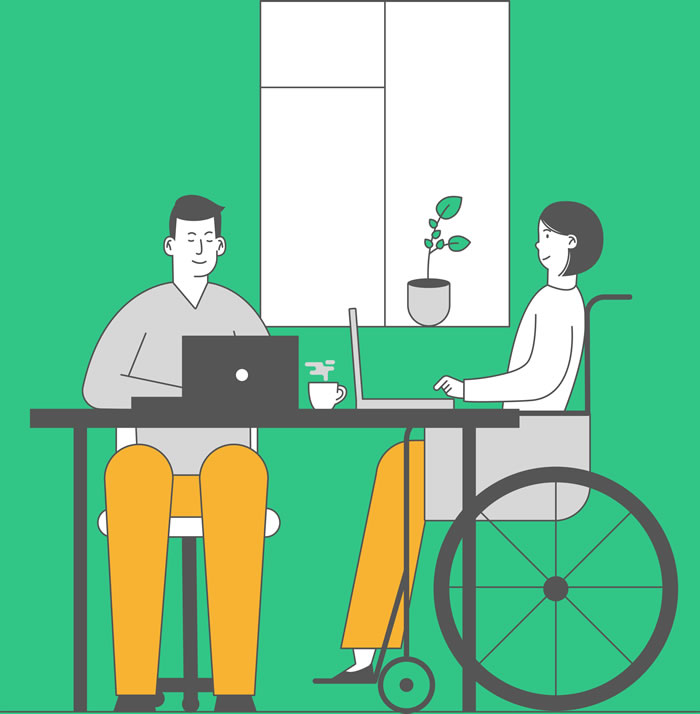
Education Within Reach
To make planning for and going to college easier for students with neuromuscular disease, MDA launched a new online workshop called Access to Education: Higher Education. This no-cost educational program, available on-demand, offers an overview of common considerations, tips for choosing a school, information on financial preparation, and guidance on finding support if students encounter access barriers during their higher education experience.
Read More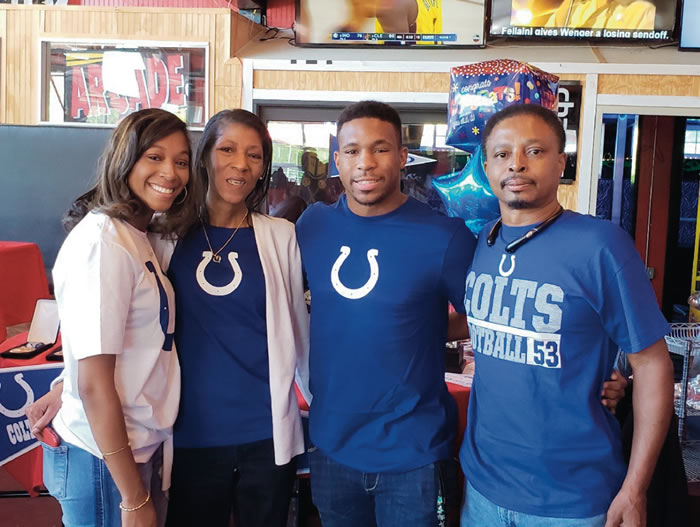
Running to a Cure
Indianapolis Colts running back Nyheim Hines, whose mother, grandmother, and uncle live or have lived with limb-girdle muscular dystrophy (LGMD), has been a longtime supporter of MDA. Now, as MDA’s official 2021 spokesperson, he will make an even greater impact in the quest to find a cure."Having family members with muscular dystrophy has always motivated me to spend my free time trying to raise awareness, so we can find cures and provide the best care for families across the country living with these diseases," Nyheim says.
Read More
How to Make a Decision About a Clinical Trial
Colleen and Chris Labbadia of Geneva, Fla., became concerned when their son, Brendan, was slow meeting early physical milestones. He was diagnosed with Duchenne muscular dystrophy (DMD) before his second birthday, and when he was 4, they enrolled him in a clinical trial for an experimental drug. "It was the hope for a better future for Brendan," Colleen says.
Read More
MDA Q&A: Top of Mind
You don’t have to navigate your neuromuscular disease journey alone. The MDA Resource Center is available to provide one-on-one support. Here, Resource Center specialists answer Quest readers’ top questions. Q: I have oculopharyngeal muscular dystrophy (OPMD). Is COVID-19 vaccination safe for people with neuromuscular disease? Are there any side effects?
Read MoreMDA Resource Center: We’re Here For You
Our trained specialists are here to provide one-on-one support for every part of your journey. Send a message below or call us at 1-833-ASK-MDA1 (1-833-275-6321). If you live outside the U.S., we may be able to connect you to muscular dystrophy groups in your area, but MDA programs are only available in the U.S.