Grant - Winter 2019 - DM - Steven Zimmerman, PhD
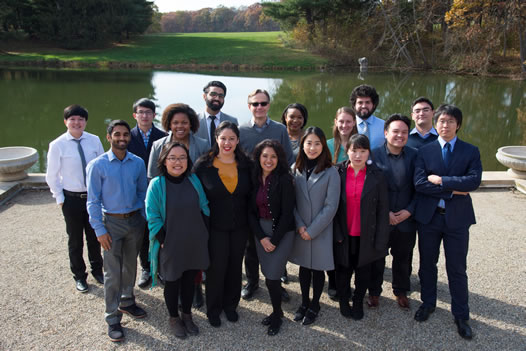
"There is a lot known about the molecular origin of the disease and this has provided some very clear targets. What is needed is researchers to develop lead therapeutic agents that can be tested in cell-based assays and in animal models."
Steven Zimmerman, PhD, professor of Chemistry at the University of Illinois, Urbana-Champaign, was awarded an MDA research grant totaling $289,301 over three years to optimize synthetic compounds that can target the mutations in myotonic dystrophy type 1 (DM1) to improve their delivery and efficacy.
DM1 occurs when a gene on chromosome 19 called DMPK contains an abnormally expanded section. The large repeat expansions in the DMPK gene lead to the formation of clumps of toxic RNA that bind a key regulatory protein called muscleblind-like protein (MBNL). MBNL protein controls the alternative splicing of RNA, which is what allows the correct proteins essential for healthy muscle contraction and relaxation to be made.
Dr. Zimmerman’s team recently identified an oligomer that inhibits both the formation of the toxic RNA and its irregular binding to MBNL protein in cellular assays and in a DM1 mouse model. The goal of the newly funded research is to further develop this oligomer and structurally related compounds, thereby aiming to develop more effective lead therapeutic agents. Specifically, Dr. Zimmerman will optimize these compounds to improve their delivery and then test the pharmacokinetic (how the compound is absorbed, distributed, and metabolized in the body), toxicity, and efficacy properties in a DM1 mouse model.
Grantee: DM - Steven Zimmerman, PhD
Grant type: Research Grant
Award total:
Institution:
Country:
Grant - Winter 2019 - DMD - Steven Welc, PhD
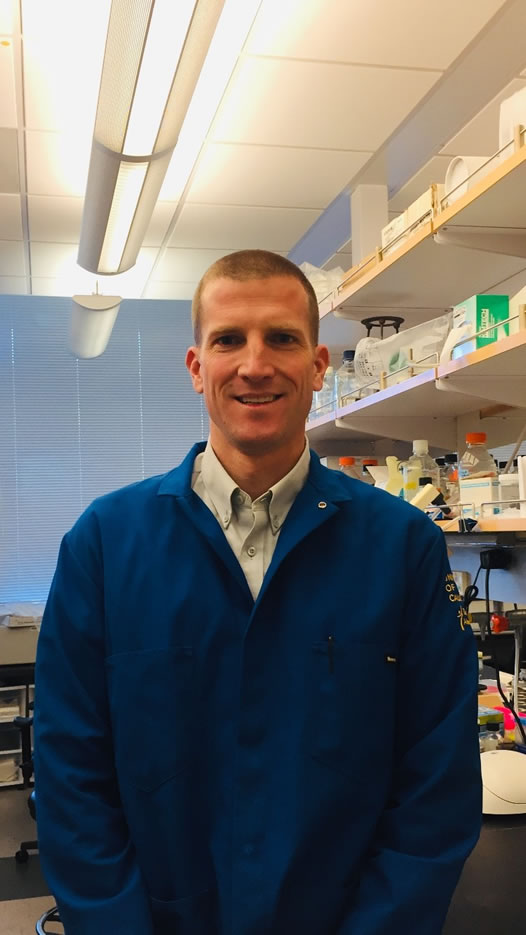
"Identifying processes that regulate muscle fibrosis and inflammation are clinically important and could lead to novel strategies to treat DMD. Additionally, results from this research project could help to provide the foundation for the clinical use of Klotho to treat DMD."
Steven Welc, PhD, postdoctoral fellow in Physiology at the University of California, Los Angeles, was awarded an MDA development grant totaling $210,000 over three years to study the role of Klotho protein in reducing fibrosis in a mouse model of Duchenne muscular dystrophy (DMD).
Fibrosis occurs when excess fibrous connective tissue is created in an organ or tissue in an attempt to repair it. In DMD, lack of dystrophin causes muscles to deteriorate; this in turn causes the inflammatory response that promotes fibrosis, or the replacement of muscle fibers with connective tissue that leads to reduced function. In previous research, Dr. Welc discovered that the anti-inflammatory and anti-fibrotic Klotho protein was silenced in a mouse model of DMD, and there were decreased amounts of Klotho in the muscle cells of DMD patients. By restoring Klotho expression in a mouse model of DMD, he was able to modify inflammation and reduce fibrosis in muscle tissue.
In this work, Dr. Welc will test several possible mechanisms by which Klotho could reduce fibrosis in a mouse model of DMD. Specifically, he will examine the role of Klotho in regulating communication between macrophages and fibro-adipogenic progenitors (FAPs) by determining whether Klotho reduces proliferation and survival of FAPs, thereby reducing fibrosis in DMD mice.
https://doi.org/10.55762/pc.gr.84540
Grantee: DMD - Steven Welc, PhD
Grant type: Development Grant
Award total:
Institution:
Country:
Grant - Winter 2019 - SMA - Stephen Meriney, PhD
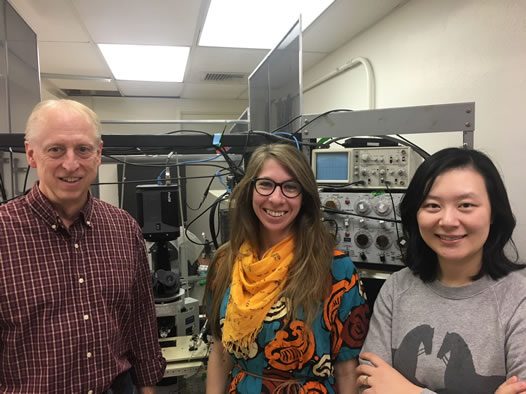
"This project will directly test a novel treatment to address neuromuscular weakness in SMA patients. This treatment is not a cure but rather a symptomatic approach to increase acetylcholine release from neuromuscular synapses."
Stephen Meriney, PhD, professor of Neuroscience and Psychiatry at the University of Pittsburgh, was awarded an MDA research grant totaling $302,587 over three years to develop a combinatorial drug approach to discover possible therapeutics for spinal muscular atrophy (SMA). His work is focused on testing a novel calcium channel agonist (an agonist produces the same reaction as the molecule that usually binds the receptor) to boost motor neuron signal strength. He will also study combining this drug with the current antisense oligonucleotide therapy (ASO) for SMA.
In SMA, the leading genetic cause of death in infants, very little full-length survival motor neuron protein (SMN) is made due to a mutated or missing survival motor neuron 1 gene (SMN1). Without the protein, there is a loss of motor neurons in the spinal cord, resulting in weakness and atrophy of the voluntary muscles. In 2016, the U.S. Food and Drug Administration approved Biogen’s nusinersen (brand name Spinraza) to treat SMA. Spinraza is an ASO drug designed to increase production of the needed SMN protein. While transformative, the treatment does not completely cure the disease and most patients still experience deficits.
Starting his career with an MDA fellowship, Dr. Meriney went on to define the deficits at the neuromuscular junction (NMJ), followed by a focus on trying to strengthen the NMJ as a type of add-on therapy. The goal of this proposed work is to test whether a novel calcium channel agonist drug could boost the signal sent from the nerve to the muscle to achieve increased strength in SMA. Dr. Meriney will test this drug in a mouse model of SMA already receiving an ASO to determine whether the agonist can provide additional benefit in combination with a therapy such as Spinraza.
https://doi.org/10.55762/pc.gr.84557
Grantee: SMA - Stephen Meriney, PhD
Grant type: Research Grant
Award total:
Institution:
Country:
Grant - Winter 2019 - FA - Sanjay Bidichandani, PhD
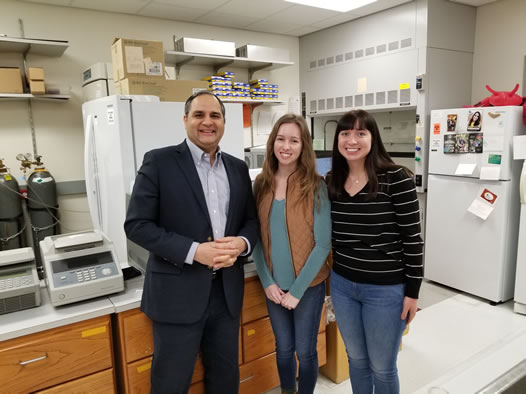
"The mechanism of gene silencing in FA is known as epigenetic silencing. As we dig deeper, we realize that the silencing mechanism is more complex than was initially appreciated. A fuller understanding of the epigenetic silencing mechanism will help yield therapeutic targets and perhaps even biomarkers to track therapeutic response in people with FA."
Sanjay Bidichandani, PhD, professor of Pediatrics at the University of Oklahoma Health Sciences Center, was awarded an MDA research grant totaling $300,000 over three years to study the role of epigenetic silencing of the frataxin gene (FXN) in Friedreich’s ataxia (FA).
In FA, mutations in the FXN gene cause decreased production of frataxin protein, resulting in diminished energy production in cells, including those of the nervous system and heart. MDA funding helped Dr. Bidichandani participate in research that led to the discovery of the FXN gene and its role in causing FA. In past work, Dr. Bidichandani discovered a DNA hypermethylation in FXN of people with FA. However, to identify effective therapeutic targets and biomarkers, a complete understanding of exactly how the silencing mechanism works is needed.
In this project, Dr. Bidichandani will look more closely at the two main mechanisms of FXN gene silencing to see if one mechanism precedes the other, or if they work in parallel. This information will inform if different therapeutic agents can work synergistically or limit the effectiveness of each other. Specifically, he will test the hypothesis that DNA hypermethylation acts as a barrier to efficient gene reactivation in FA, examining cells from people with FA and a humanized mouse model of the disease.
https://doi.org/10.55762/pc.gr.84543
Grantee: FA - Sanjay Bidichandani, PhD
Grant type: Research Grant
Award total:
Institution:
Country:
Grant - Winter 2019 - ALS - Samuel Alworth, MS, MBA

Samuel Alworth, MS, MBA, CEO and founder of AcuraStem, was awarded an MDA Venture Philanthropy (MVP) grant totaling $300,000 over two years to support preclinical development of a novel small molecule therapeutic for amyotrophic lateral sclerosis (ALS). MVP grants are awarded to researchers developing therapeutics for neuromuscular diseases to help lower the barriers and bridge the high-risk stages of drug development.
A team led by Justin Ichida, PhD, co-founder and chief scientific officer of AcuraStem and head of the Ichida Lab at the Eli and Edythe Broad CIRM Center for Regenerative Medicine and Stem Cell Research at the University of Southern California, published research in Nature Medicine in 2018 in which they discovered that inhibiting the action of a specific protein in ALS patient-derived motor neurons helped prevent their death in vitro (in a petri dish). While the target was discovered in cells from a patient with C9-ALS (or, C9ORF72 ALS; mutations in the C9ORF72 gene are the most common genetic cause of ALS), it may also be applicable to other forms of ALS, including the more common sporadic forms of the disease.
The MVP grant will allow AcuraStem to undertake proof-of-concept studies in mouse models of ALS, as well as develop biomarkers for its orally delivered, blood-brain-penetrating, preclinical development candidate, AS2015.
Grantee: ALS - Samuel Alworth, MS, MBA
Grant type:
Award total:
Institution:
Country:
Grant - Winter 2019 - DMD - Roger Stromberg, PhD

"Hopefully more compounds will be developed (to benefit more patients) and better compounds will be developed (to benefit patients more). We expect that further developments of exon-skipping oligonucleotide constructs will lead to even more effective treatments."
Roger Stromberg, PhD, professor of Bioorganic Chemistry at Karolinska Institute, Sweden, was awarded an MDA research grant totaling $200,000 over two years to improve muscle cell penetrance and increase uptake of exon-skipping antisense oligonucleotides (ASOs) for treating Duchenne muscular dystrophy (DMD). Dr. Stromberg will collaborate with Annemieke Aartsma-Rus, PhD, professor of Human Genetics at Leiden University Medical Center, Netherlands, who will perform preclinical testing on the ASOs.
In 2016, the U.S. Food and Drug Administration approved the first drug to treat DMD, Sarepta Therapeutics’ Exondys 51. This drug is an exon-skipping ASO that specifically targets a section of genetic code within the dystrophin gene called exon 51. While ASOs like Exondys 51 can be used to treat some forms of DMD, there remain challenges to delivering these types of drugs to the right tissues in the right amounts. Current oligonucleotides have limited efficacy because they are not well delivered to muscle and delivery to heart is negligible. Improved delivery can have a major impact on treatment.
In this research, Dr. Stromberg will develop novel modified oligonucleotides that aim to enhance the structure and function of traditional ASOs. His work will include optimizing the backbone chemistry to improve muscle cell penetrance, adding peptides that prevent the endosomes in muscle cells from clearing them, and adding cardiac and skeletal muscle “homing peptides” that may increase uptake of the drug into the appropriate tissues.
Grantee: DMD - Roger Stromberg, PhD
Grant type: Research Grant
Award total:
Institution:
Country:
Grant - Winter 2019 - GAN - Puneet Opal, MD, PhD
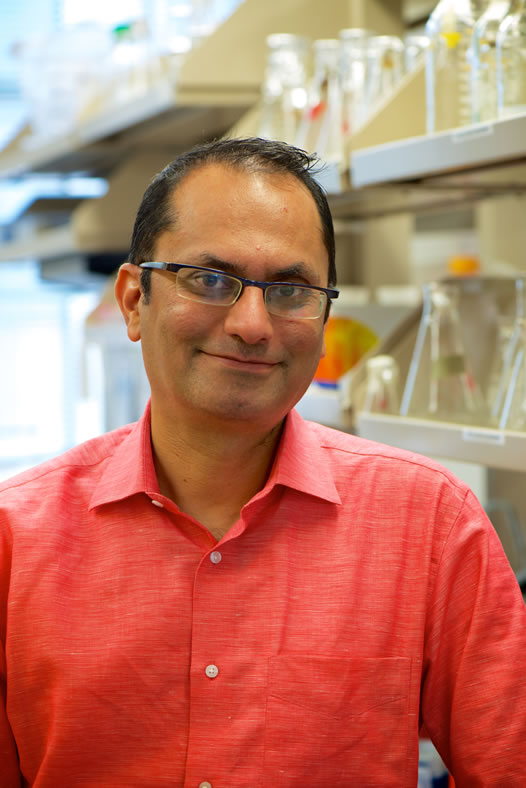
"While GAN is rare, neurofilament accumulation is seen in a wide range of neurodegenerative disorders, including ALS, Parkinson’s disease, Alzheimer’s disease, and some CMT subtypes. By understanding the consequences of neurofilament accumulation in GAN, we hope to understand the broader role of neurofilaments in nervous system disorders."
Puneet Opal, MD, PhD, professor of Neurology and Cell and Molecular Biology at the Northwestern University Feinberg School of Medicine, Chicago, was awarded an MDA research grant totaling $304,601 over three years to better understand the role of neurofilaments in giant axonal neuropathy (GAN), a disease that affects the peripheral and central nervous system.
GAN causes impaired sensation, strength, and reflexes in the limbs as well as difficulty with coordination. Mutations in the gigaxonin gene (GAN), which encodes the protein gigaxonin, cause neurons to accumulate excess neurofilaments (skeletal-like proteins found within neurons). The “giant” neurons can no longer transmit signals properly and eventually deteriorate, resulting in the range of neurological problems associated with the disorder. In previous work, Dr. Opal discovered that neurofilaments are a major class of substrates for gigaxonin.
In this research, Dr. Opal will investigate whether one of the causes of GAN is, in fact, altered degradation of neurofilaments. His studies will provide insights into how gigaxonin works to degrade neurofilaments, which could be informative for other motor neuron and peripheral nerve diseases. He also will test whether reducing neurofilament levels could be beneficial in GAN using genetic and pharmacological approaches.
https://doi.org/10.55762/pc.gr.84561
Grantee: GAN - Puneet Opal, MD, PhD
Grant type: Research Grant
Award total:
Institution:
Country:
Grant - Winter 2019 - IBM - Ming Guo, MD, PhD

Ming Guo, MD, PhD, professor of Neurology and of Molecular and Medical Pharmacology at the University of California, Los Angeles, was awarded an MDA research grant totaling $300,000 over three years to study the molecular genetics of inclusion body myopathy (IBM) caused by mutations in the valosin-containing protein gene (VCP) in an animal model and human patient cells.
Mutations in the VCP gene cause IBM associated with Paget’s disease of the bone (PDB) and frontotemporal dementia (FTD). Almost all IBM patients show skeletal muscle weakness, half will develop PDB, and a third will develop FTD. In previous MDA-funded work, Dr. Guo created a fruit fly model to learn more about how VCP mutations lead to disease. In her studies, she found that disease mutations lead to hyperactivation of the VCP gene, which affects the expression of a mitochondrial membrane protein called mitofusion. By inhibiting this gene’s expression, she could reduce the symptoms of IBM in both the animal model and human patient cells.
In this work, Dr. Guo plans to carry out genetic screens on her animal model and patient cells, looking for other genes that might interact with the VCP gene and have a slowing effect on the progression of IBM. This work may increase understanding of the molecular pathology of the disease and identify potential therapeutic targets.
https://doi.org/10.55762/pc.gr.84551
Grantee: IBM - Ming Guo, MD, PhD
Grant type: Research Grant
Award total:
Institution:
Country:
Grant - Winter 2019 - DM - Matthew Disney, PhD
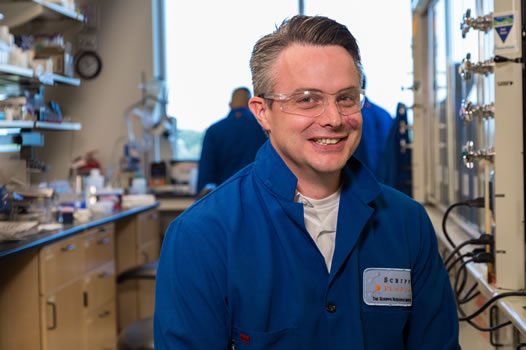
"We hope to establish a new paradigm in drug design in which one can target RNA with small molecules and use small molecules to destroy toxic RNAs."
Matthew Disney, PhD, professor of Chemistry at The Scripps Research Institute, Florida, was awarded an MDA research grant totaling $300,000 over three years to develop and optimize small molecules targeting the RNA repeats in myotonic dystrophy type 2 (DM2).
DM2 is a neuromuscular disease that causes wasting of many muscles, as well as cardiac disease and cataracts. It is caused by an abnormally expanded section in a gene on chromosome 3 called ZNF9. The DM2 repeat expansion is present in the highest amounts in muscle and heart tissue. This repeat expansion leads to aggregates of RNA inside the cell that become toxic in DM2, effectively sequestering a protein that normally regulates how RNA is spliced (processed). Inactivating this RNA-processing protein has been shown to cause many of the symptoms associated with myotonic dystrophy.
In this work, Dr. Disney will focus on inactivating and eliminating the repeat expansion. He and his team previously designed small molecules that bind to and inactivate the toxic RNA in cellular models. They will build off that work to optimize their small-molecule compounds to both bind the RNA as well cleave it, thus ridding the cell of it. Specifically, he will conduct medicinal chemistry on lead compounds, assemble them into dimers to increase potency and selectivity, give the dimers the ability to cleave the RNA, and test them both in vitro (in patient-derived cells) and in animal models.
https://doi.org/10.55762/pc.gr.84545
Grantee: DM - Matthew Disney, PhD
Grant type: Research Grant
Award total:
Institution:
Country:
Grant - Winter 2019 - ALS - Marka Van Blitterswijk, MD, PhD
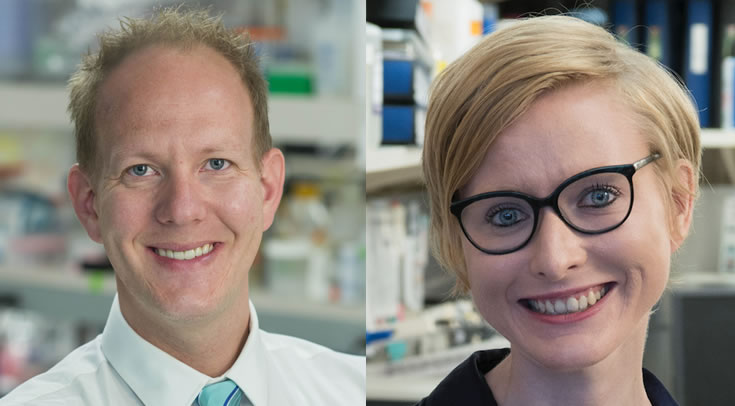
"By increasing our understanding of this debilitating disease, especially its causes, I am optimistic that we might be able to discover novel biomarkers or druggable targets. Ultimately, I am hoping that this knowledge will aid the development of personalized treatments that can halt, or reverse, the disease progression."
Marka Van Blitterswijk, MD, PhD, assistant professor of Neuroscience at the Mayo Clinic in Jacksonville, Fla., was awarded an MDA research grant totaling $300,000 over three years to complete an in-depth analysis of the C9ORF72 gene mutation in amyotrophic lateral sclerosis (ALS) patients and determine whether the size of the mutation can be used as a biomarker to predict factors such as survival time and cognitive changes. This work is a collaboration between the labs of Dr. Van Blitterswijk and Mark Ebbert, PhD, assistant professor of Neuroscience at the Mayo Clinic.
Although most cases of ALS are sporadic, meaning there is no family history of the disease, about 10 percent of cases are familial, meaning the disease runs in the family. Recently, it was discovered that a mutation in the C9ORF72 gene where one segment of the gene is repeated too many times — also known as a repeat expansion — is the most common cause of the familial form of ALS and is also found in some sporadic cases as well.
Discovery of the C9ORF72 repeat expansion has provided some knowledge of disease mechanism, but it’s still unknown how or whether interruptions in the repeated genetic material affect disease variability, development, and progression. In previous work, Dr. Van Blitterswijk acquired a large amount of clinical and pathological data from ALS repeat expansion patients, creating one of the world's largest collections of this type of information. In this study, she will use a novel technology called long-read single-molecule real-time (SMRT) sequencing on these clinical samples to determine the repeat’s exact size, whether it is interrupted, whether other changes to the DNA exist in addition to the repeated segments, and whether it is stable over time. This work could eventually pave the way for future therapies and diagnostics based on the variability found in the repeat expansion.
Grantee: ALS - Marka Van Blitterswijk, MD, PhD
Grant type: Research Grant
Award total:
Institution:
Country:
Grant - Winter 2019 - MC - Mark Rich, MD, PhD
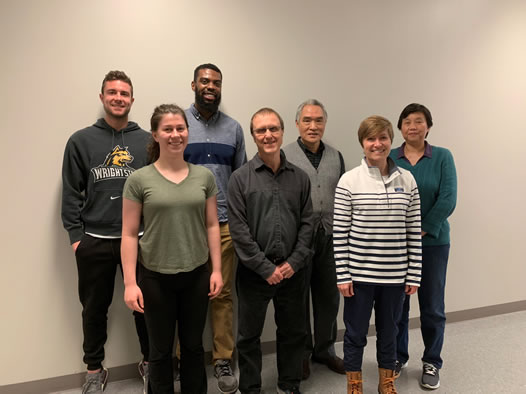
"More recently we have discovered other currents in skeletal muscle that we are currently characterizing in mouse models of diseases to determine whether block of these currents is effective in treating muscle dysfunction. We are optimistic that continued funding of our work by the MDA will lead to novel therapies for patients with these diseases."
Mark Rich, MD, PhD, professor of Neuroscience, Cell Biology, and Physiology and professor of Neurology at Wright State University, Ohio, was awarded an MDA research grant totaling $300,000 over three years to investigate blocking the transient receptor potential ion channel type 4 protein (TRPV4) as a novel approach to treating myotonia congenita (MC).
MC is an inherited myopathy that causes muscles to become still from contracting too much. Using mouse models, Dr. Rich discovered a novel electrical current in skeletal muscle that is the likely cause of this muscle stiffness, and MDA funded a past proposal for which he characterized this current and tested drugs known to have an effect on skeletal muscle currents as potential therapeutics. This work led to two clinical trials of the drug ranolazine in patients with myotonia caused by mutations in muscle chloride and sodium channels.
Recently, Dr. Rich developed a novel in vitro (in a petri dish) system test; preliminary data from this test suggested that the TRPV4 protein plays a large role in myotonia. In this work, he will use pharmacologic and genetic studies in vitro and in mouse models to discover if blocking TRPV4 protein may be targeted therapeutically by drugs currently being used to treat heart failure in clinical trials. This approach might make clinical translation of a drug to treat MC much more rapid if his findings are promising.
https://doi.org/10.55762/pc.gr.84562
Grantee: MC - Mark Rich, MD, PhD
Grant type: Research Grant
Award total:
Institution:
Country:
Grant - Winter 2019 - DMD - M. Carrie Miceli, PhD

"Identification of immune populations involved in DMD pathogenesis may aid in identifying therapeutic targets. Assessing baseline levels of immunity in DMD subjects will help in interpreting responses observed in gene therapy or other dystrophin replacement therapies."
M. Carrie Miceli, PhD, professor of Microbiology, Immunology, and Molecular Genetics at the University of California, Los Angeles, was awarded an MDA research grant totaling $300,000 over three years to study the differences in immune cell populations in response to treating boys who have Duchenne muscular dystrophy (DMD) with or without corticosteroids.
Corticosteroids delay symptoms and prolong life in DMD, but their mechanism of action is poorly understood. In people with DMD, the immune response affects the regeneration of muscle tissue and leads to fibrosis (an excess of fibrous connective tissue), though these cellular processes are not well defined. Additionally, gene-replacement therapies use entities that can cause an immune response and therefore have limited efficacy. Achieving a basic understanding of the immune response in DMD will help researchers conduct studies that help define this landscape and may promote the development of therapies based on these factors.
In this research, Dr. Miceli aims to deeply characterize the cellular immune composition in blood and muscle cells in individuals with DMD or Becker muscular dystrophy (BMD), a similar muscular dystrophy with later onset of symptoms. She hopes to gain an improved understanding of which immune populations are activated to identify targets for immune modulation that may promote regeneration, limit fibrosis, or induce tolerance. In addition, determining the relationship between the responses in the muscle and blood will allow her to test whether blood can be used as a measure of the severity of the disease.
https://doi.org/10.55762/pc.gr.84558
Grantee: DMD - M. Carrie Miceli, PhD
Grant type: Research Grant
Award total:
Institution:
Country:
Grant - Winter 2019 - Mitochondrial Myopathy - Luis Lopez Garcia, PhD
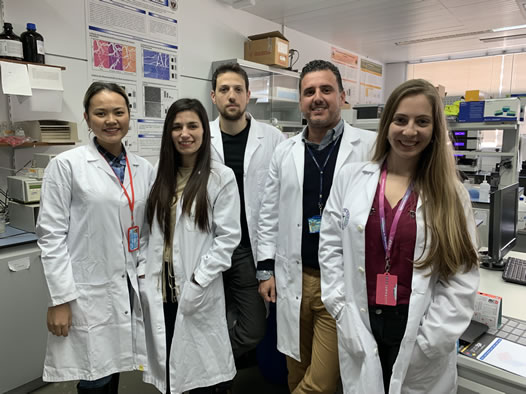
"We expect to learn more about the CoQ metabolism in health and disease, including regulatory mechanisms of CoQ biosynthesis and the identification of interventions to stimulate the endogenous CoQ biosynthesis."
Luis Lopez Garcia, PhD, professor of Physiology at University of Granada in Spain, was awarded an MDA research grant totaling $289,865 over three years to test therapeutic molecules for the treatment of mitochondrial disease caused by deficiency of coenzyme Q10 (CoQ10).
Mitochondria provide cells with all the energy they need to function properly. CoQ10 is an essential component of mitochondrial energy production, and CoQ10 deficiency has been identified in several neuromuscular and neurologic diseases. However, CoQ10 is not a viable therapeutic because very little of it ends up being bioavailable. In previous MDA-funded work, Dr. Lopez Garcia created a mouse model to study the mechanisms behind mitochondrial disease caused by CoQ10 deficiency and discovered that 4-hydroxybenzoic acid (4-HB) analogs have greater therapeutic potential than oral CoQ10. (CoQ10 is made by several enzymes from the precursor molecule, 4-HB.)
In this research, Dr. Lopez Garcia will test these 4-HB small molecule analogs to see if they improve different types of mouse models of mitochondrial myopathies.
https://doi.org/10.55762/pc.gr.84555
Grantee: Mitochondrial Myopathy - Luis Lopez Garcia, PhD
Grant type: Research Grant
Award total:
Institution:
Country:
Grant - Winter 2019 - Mitochondrial Myopathy - Luca Scorrano, MD, PhD
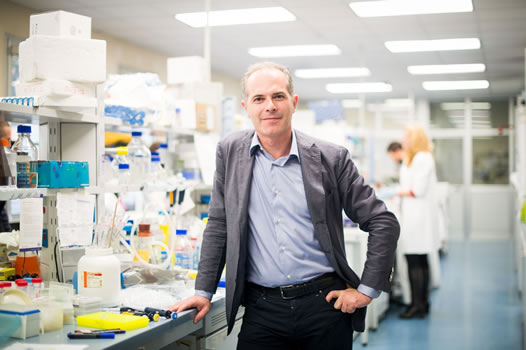
"We expect to provide a proof of principle that we can curtail the progression of mitochondrial myopathies by acting not on their cause, but on their amplificatory mechanism, i.e., the disruption of mitochondrial ultrastructure."
Luca Scorrano, MD, PhD, professor of Biochemistry at the University of Padova and scientific director of the Venetian Institute of Molecular Medicine in Italy, was awarded an MDA research grant totaling $286,935 over three years to study the structural integrity of mitochondria, the role of epigenetic silencing in creating pathogenic structures, and how that impacts mitochondrial energy metabolism and survival.
Mitochondrial diseases are caused by structural and/or functional abnormalities in mitochondria — tiny energy factories found inside almost all our cells. With previous MDA funding, Dr. Scorrano conducted proof-of-principle studies to show that microRNAs expressed when cells are stressed can compromise mitochondrial structure and function by reducing levels of expression of the optic atrophy 1 gene (Opa1), which codes for a mitochondria-shaping protein.
In this research, Dr. Scorrano will test specific microRNA antagonizers — molecules that block the function of microRNAs — for their therapeutic potential against the microRNAs targeting Opa1. This novel approach could be applicable other mitochondrial myopathies and neuromuscular disorders as well as to certain sporadic, high-prevalence disorders like heart ischemia.
https://doi.org/10.55762/pc.gr.84563
Grantee: Mitochondrial Myopathy - Luca Scorrano, MD, PhD
Grant type: Research Grant
Award total:
Institution:
Country:
Grant - Winter 2019 - CMT - Kleopas Kleopa, MD
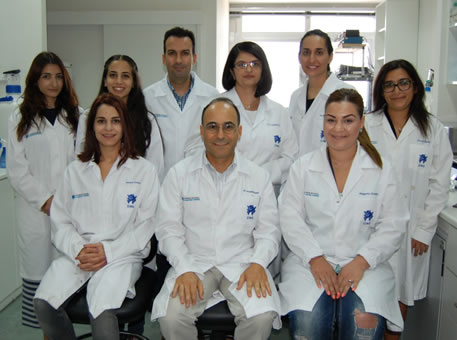
"By establishing an effective, clinically applicable gene therapy approach targeting peripheral nerves, we may be able to develop treatments for a number of other similar inherited neuropathies or even for more common acquired neuromuscular disorders such as motor neuron disease and inflammatory neuropathies."
Kleopas Kleopa, MD, professor and senior consulting neurologist at the Cyprus Institute of Neurology and Genetics, Cyprus School of Molecular Medicine, in Nicosia, Cyprus, was awarded a research grant jointly funded by the Charcot-Marie-Tooth Association (CMTA) and MDA totaling $276,430 over three years to perform critical, proof-of-concept studies to test whether delivery of the connexin 32 gene (Cx32) using an adeno-associated virus (AAV) vector can improve symptoms in a mouse model of CMT1X, as well as determine the optimal route for delivery of the therapy.
Mutations in the gene coding for the gap junction beta-1 protein (GJB1), also known as connexin 32 (Cx32), are associated with the X-linked form of Charcot-Marie-Tooth disease (CMT1X), which affects approximately 1 in 25,000 people and is the second-most-common form of CMT. With previous MDA-funded support, Dr. Kleopa pioneered a gene therapy approach to treat CMT1X, showing that a single spinal injection of the Cx32 gene was associated with production of normal protein in nerves and improvement of peripheral nerve health and motor performance in a mouse model of CMT. In a follow-up study co-funded by the MDA and the CMTA, he examined whether repeated injections in mice led to increased protein levels and tested whether treatment at later stages of the disease led to improvement like that seen for treatment in the early stages.
The target cell type for this therapy is the Schwann cell, which generates the insulating myelin sheath around peripheral nerves. The challenge for CMT1X and other demyelinating forms of CMT is optimizing delivery of the gene to Schwann cells. In previous studies, Dr. Kleopa employed a different type of viral vector to deliver the Cx32 gene, but for this new study he will adapt this approach to AAV, which has been more widely used in the nervous system and shown promise in clinical studies for other diseases. The project will test several types of AAV and different injection paradigms to determine the best method to restore the function of Cx32 in Schwann cells. Positive results may help advance development of treatments for other types of CMT affecting Schwann cells, as a similar AAV approach can be applied to CMT1A and other subtypes of CMT1.
https://doi.org/10.55762/pc.gr.84552
Grantee: CMT - Kleopas Kleopa, MD
Grant type: Research Grant
Award total:
Institution:
Country:
Grant - Winter 2019 - DMD - Kevin Flanigan, MD, PhD

Kevin Flanigan, MD, PhD, attending neurologist at Nationwide Children’s Hospital in Columbus, Ohio, and professor of Pediatrics and Neurology at The Ohio State University College of Medicine, was awarded an MDA Human Clinical Trial Grant totaling $528,798 over two years to conduct a pilot clinical trial in Duchenne muscular dystrophy (DMD) boys aged 4 to 7 years old to study treatment with spironolactone relative to prednisolone.
The mineralocorticoid receptor antagonist spironolactone is an approved drug that has been shown to protect skeletal and cardiac muscle function in DMD mice. Because traditional steroids like prednisolone can have harmful side effects, this work will be an important step toward finding an alternative treatment.
In this grant-funded trial, Dr. Flanigan will examine the efficacy of spironolactone as compared to prednisolone. Significant deterioration in DMD boys who have never taken steroids occurs after age 7. If spironolactone is as effective as prednisone or prednisolone, the long-term benefits could include avoiding the unwanted side effects of glucocorticoids.
https://doi.org/10.55762/pc.gr.83316
Grantee: DMD - Kevin Flanigan, MD, PhD
Grant type: Human Clinical Trial Grant
Award total:
Institution:
Country:
Grant - Winter 2019 - DMD - Justin Boyer, PhD
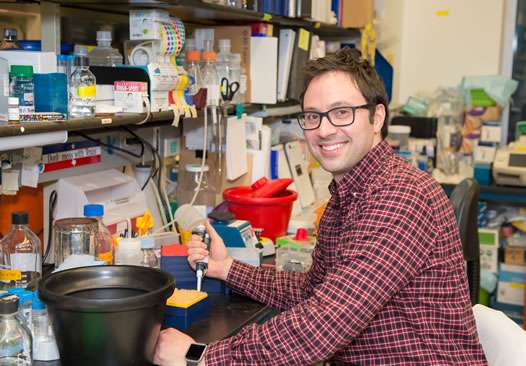
"Our research will help define the role of satellite cells in muscular dystrophy. The findings from our proposed work will have implications on therapeutics that are currently being tested for Duchenne muscular dystrophy as well as offer new a therapeutic strategy to treat other types of muscular dystrophies."
Justin Boyer, PhD, research fellow at the Cincinnati Children’s Hospital Medical Center, Cincinnati, Ohio, was awarded an MDA development grant totaling $210,000 over three years to study the role of ERK1/2 signaling in satellite cells of mice models of Duchenne muscular dystrophy (DMD).
Extracellular signal-regulated kinases (ERKs) are proteins that are intricately involved in cell division. Normally, skeletal muscle can repair itself after injury with the help of a specific type of muscle stem cell called a satellite cell (SC). In previous work, Dr. Boyer found that the ERK1/2 protein signaling pathway is an essential mediator of SC survival and function. Silencing this pathway in SCs led to the loss of these cells in skeletal muscle, preventing it from recovering from injury. However, activating the ERK1/2 signaling pathway led to a greater number of SCs.
In this research, Dr. Boyer will further characterize ERK signaling, determine if increasing ERK1/2 activity increases satellite cell numbers, and determine if increased ERK1/2 activity improves muscle regeneration. In doing so, he hopes to further define the role of SCs in muscular dystrophy to better understand how these cells can be targeted for developing therapies to treat this disease.
https://doi.org/10.55762/pc.gr.84536
Grantee: DMD - Justin Boyer, PhD
Grant type: Development Grant
Award total:
Institution:
Country:
Grant - Winter 2019 - ALS - Junjie Guo, PhD
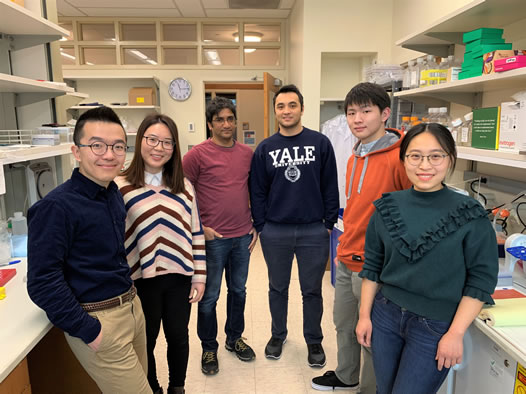
"The pathophysiological mechanisms underlying ALS and other neuromuscular diseases are still poorly understood. Only through systematic and mechanistic investigations of disease-relevant pathways can more novel therapeutic targets be discovered. More diverse therapeutic strategies will most likely accelerate the development of treatments."
Junjie Guo, PhD, assistant professor of Neuroscience at Yale University, was awarded an MDA research grant totaling $297,678 over three years to learn more about the process by which RNA from the C9ORF72 gene mutation in amyotrophic lateral sclerosis (ALS) forms complexes with proteins inside the cell and whether specific complexes are detrimental to the health of the motor neuron.
Although most cases of ALS are sporadic, meaning there is no family history of the disease, about 10 percent of cases are familial, meaning the disease runs in the family. Recently, it was discovered that a mutation in the C9ORF72 gene where one segment of the gene is repeated too many times — also known as a repeat expansion — is the most common cause of the familial form of ALS (this form is referred to as C9-ALS) and is found in some sporadic cases as well. It’s uncertain, however, if the disease is caused by reduced levels of normal C9ORF72 protein and/or by toxic RNA and proteins manufactured using instructions from the extra DNA.
Defects in cellular RNA metabolism have been shown to play important roles in a variety of sporadic and familial neuromuscular diseases, including familial ALS. In C9-ALS, RNA from the repeat expansion forms RNA foci (clump-like structures) inside the cell. Previous studies have shown that these RNA foci can alter the function of RNA-binding proteins, thereby affecting the function of cells. In this project, Dr. Guo will study how RNA foci are formed, what factors regulate their formation, and how these foci affect RNA metabolism in a C9-ALS motor neuron model. He aims to better understand the molecular mechanisms and pathophysiological roles of RNA foci in not only ALS but also other neuromuscular diseases associated with repeat expansions.
https://doi.org/10.55762/pc.gr.84550
Grantee: ALS - Junjie Guo, PhD
Grant type: Research Grant
Award total:
Institution:
Country:
Grant - Winter 2019 - ALS - Jonathan Glass, MD

"Research into ALS cannot move forward without the participation of patients, who provide the needed clinical information, biosamples, and involvement in clinical trials. Our NEALS organization is the largest academic organization focused on promoting clinical trials in ALS and educating both investigators and patients/families on the science of clinical trials."
Jonathan Glass, MD, professor of Neurology and Pathology at Emory University in Atlanta and director of the Emory ALS Center, was awarded an MDA research infrastructure grant totaling $151,592 over three years to further develop the member services and activities of the Northeast ALS (NEALS) Consortium for the amyotrophic lateral sclerosis (ALS) research community. It builds upon a previous grant awarded to Dr. Glass from 2015 to 2018 for the development and support of the consortium.
The NEALS Consortium is an international organization of 125 research sites that collaborate to support and conduct clinical research in ALS and other motor neuron diseases. The mission of the NEALS Consortium is to translate scientific advances as rapidly as possible into new treatments for people with ALS and motor neuron disease.
This grant will help support the NEALS Consortium’s biorepository, which contains tissues and fluids that are widely used by the community — including MDA-funded researchers — to advance ALS research. The grant will also support the annual NEALS Consortium meeting, which is an opportunity for the sites to come together to share advances and receive training.
Grantee: ALS - Jonathan Glass, MD
Grant type: Infrastructure Grant
Award total:
Institution:
Country:
Grant - Winter 2019 - ALS - John Landers, PhD

"I hope that we will identify several genes that, when inactivated, will lead to a beneficial effect in several models of ALS. Identifying such genes will progress several areas of research and the development of therapeutics."
John Landers, PhD, associate professor of Neurology at the University of Massachusetts Medical School, was awarded an MDA research grant totaling $300,000 over three years to identify novel therapeutic targets for both familial and sporadic amyotrophic lateral sclerosis (ALS) using an unbiased screening approach across the entire genome.
Although most cases of ALS are sporadic, meaning there is no family history of the disease, about 10 percent of cases are familial, meaning the disease runs in the family. To date, more than 40 genes have been identified to cause familial ALS; some of them also have been found in sporadic ALS patients. Still, there is no definitive genetic root for 90 percent of ALS cases.
Over the past 15 years, Dr. Landers’ lab has focused on identifying genes associated with ALS. Recently, he has transitioned to novel approaches for drug target discovery. In this research, he will use RNAi screens — RNAi, or RNA interference, uses RNA molecules to bind to and inactivate a gene — to discover novel drug targets for ALS. In these genome-wide RNAi screens, he hopes to discover genes that, when repressed or inactivated, may lead to an increased survival of ALS neurons. His lab previously screened approximately 200 of the 20,000 genes in the genome and identified a single gene that, when inactivated, yielded a beneficial effect on various neuronal cell cultures harboring a mutant ALS gene. In this study, he will screen all 20,000 genes to identify other additional genes that affect ALS motor neuron survival and then follow up on targets with validation studies in mice.
https://doi.org/10.55762/pc.gr.84554
Grantee: ALS - John Landers, PhD
Grant type: Research Grant
Award total:
Institution:
Country:
Grant - Winter 2019 - FSHD - Jeffrey Miller, PhD
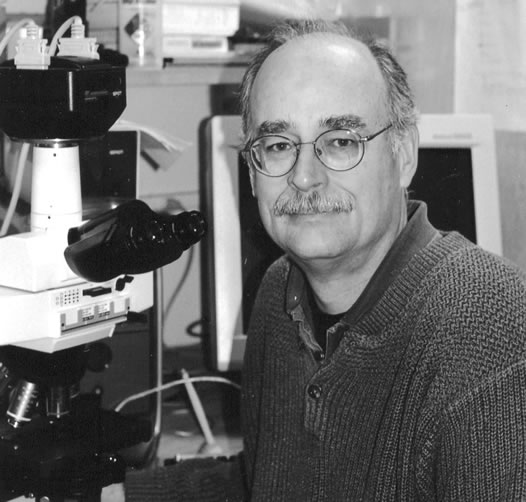
"We will attempt to identify drugs that prevent DUX4-induced changes in mRNA handling proteins and then determine, in model systems, if such pharmaceutical treatments could lessen loss of muscle function."
Jeffrey Miller, PhD, professor of Neurology at Boston University School of Medicine, was awarded an MDA research grant totaling $300,000 over three years to study the role of aberrant expression of double homeobox 4 protein (DUX4), the protein known to cause facioscapulohumeral muscular dystrophy (FSHD).
FSHD causes progressive degeneration of muscles, including muscles of the face, shoulder blades, and upper arms. FSHD is caused by aberrant expression of DUX4, which disrupts RNA and protein homeostasis and causes cell death. Dr. Miller previously found that DUX4 induces aggregation of TDP-43 and FUS, two proteins that are notably also aggregated in amyotrophic lateral sclerosis (ALS) and frontotemporal dementia (FTD).
In this study, Dr. Miller will identify mechanisms by which the presence of DUX4 changes the splicing of genes regulated by TDP-43. In addition, he will determine to what extent clumping of TDP-43 and FUS explain the appearance of FSHD characteristics in cells and how aggregation induced by DUX4 disrupts RNA homeostasis and ultimately leads to cell death. Finally, he will test drugs in cell culture models to identify targets that prevent these DUX4-induced changes and lessen loss of muscle function.
https://doi.org/10.55762/pc.gr.84559
Grantee: FSHD - Jeffrey Miller, PhD
Grant type: Research Grant
Award total:
Institution:
Country:
Grant - Winter 2019 - Mitochondrial Myopathy/ALS - Giovanni Manfredi, MD, PhD
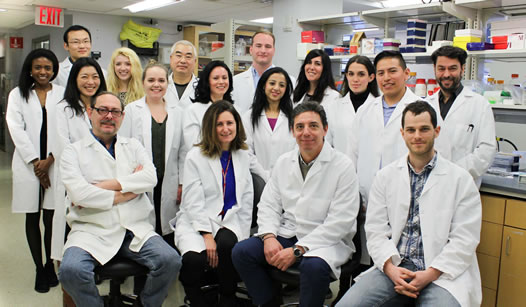
"CHCHD10 mutations are relatively rare causes of neuromuscular disease, but the disease mechanisms and the therapeutic approaches that can emerge from this work could be extended to a diverse group of neuromuscular diseases caused by mitochondrial dysfunction."
Giovanni Manfredi, MD, PhD, professor of Neuroscience, Mitochondria, and Neurodegeneration at Weill Cornell Medical College, was awarded an MDA research grant totaling $300,000 over three years to use a novel mouse model to study CHCHD10 protein mitochondrial diseases.
Mitochondrial are tiny energy factories found inside almost all our cells and are necessary for normal function. Mutations in the CHCHD10 gene, which codes for a mitochondrial protein, can cause multi-systemic mitochondrial diseases characterized by myopathy as well as motor neuron diseases such as amyotrophic lateral sclerosis (ALS) and dementia. In previous MDA-funded work, Dr. Manfredi created a mouse model of CHCHD10 mutations to discover that mitochondrial CHCHD10 protein accumulates and clumps together with other proteins, ultimately resulting in degeneration of the heart and muscles.
In this research, Dr. Manfredi will investigate the specific organs and tissues involved in this disease, which may lead to insights about how to design rational therapies. Specifically, he will study the molecular mechanisms of mitochondrial mutations, determine if and how the nerves and brain are involved, and identify metabolic biomarkers that might help track prognosis of the disease.
https://doi.org/10.55762/pc.gr.84556
Grantee: Mitochondrial Myopathy/ALS - Giovanni Manfredi, MD, PhD
Grant type: Research Grant
Award total:
Institution:
Country:
Grant - Winter 2019 - DMD - Foteini Mourkioti, PhD
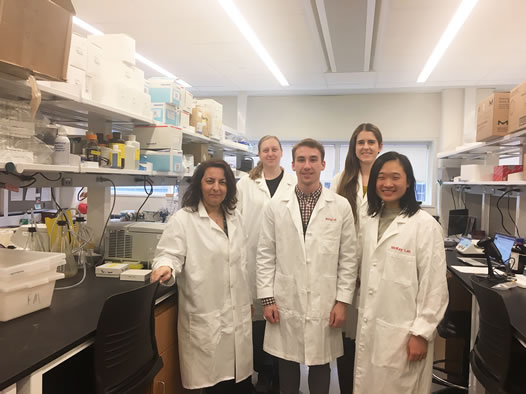
"Knowledge gained from this MDA funded studies will reveal new mechanisms of cardiac dystrophy, providing fresh strategies for therapeutics to prevent or diminish the destructive cardiac processes in DMD patients."
Foteini Mourkioti, PhD, assistant professor of Orthopedic Surgery at the Perelman School of Medicine, University of Pennsylvania, was awarded an MDA research grant totaling $300,000 over three years to study the relationship between telomere shortening and dilated cardiomyopathy (DCM) in Duchenne muscular dystrophy (DMD) mice models.
Patients with DMD typically have cardiac complications, and heart failure is the major cause of death in DMD. Telomeres are sequences at the end of chromosomes that protect them from breaking down, similar to the plastic coating at the end of a shoelace. It has been previously shown that telomeric repeat-binding factor 2 protein (TRF2), which binds and protects chromosomes, is expressed less in people with dilated cardiomyopathy and in mice with DCM due to DMD.
In this work, Dr. Mourkioti will look at how oxidative stress causes DNA damage and telomere shortening. She will investigate a previously unknown mechanism in cardiac dystrophy and will determine if telomeric proteins in the dystrophic heart have other additional functions. Specifically, to determine whether loss of TRF2 is driving cardiomyopathy in DMD, Dr. Mourkioti will quantify the DNA damage in patient cardiomyocytes and then determine whether loss of TRF2 negatively impacts cardiac structure and function in DMD mice.
https://doi.org/10.55762/pc.gr.84560
Grantee: DMD - Foteini Mourkioti, PhD
Grant type: Research Grant
Award total:
Institution:
Country:
Grant - Winter 2019 - DMD - Diego Fraidenraich, PhD
"A combination of pharmacological treatment that involves Cx43 peptide mimetics and gene editing in phosphorylation sites may synergistically increase the chances of a cure."
Diego Fraidenraich, PhD, assistant professor of Cell Biology and Molecular Medicine at Rutgers New Jersey Medical School, was awarded an MDA research grant totaling $300,000 over three years to study the relationship between the connexin 43 protein (Cx43) and cardiomyopathy in Duchenne muscular dystrophy (DMD) mice models.
Patients with DMD typically have cardiac complications, and heart failure is the major cause of death in DMD. Dr. Fraidenraich previously found connexin 43, a type of neuromuscular gap junction protein, to be expressed more in the DMD mouse heart, and that removal or inhibition of Cx43 protein could protect stressed DMD mice from arrhythmia, cardiomyopathy, and premature death.
To further investigate Cx43 as an important target for the treatment of DMD cardiomyopathy, Dr. Fraidenraich will use this grant to further characterize the role of Cx43 in mice and in human tissue by examining phosphorylation, expression levels, and effects on cardiac pathology and function. His previous research used engineered mice with a mutant version of Cx43 that mimicked full phosphorylation; in this project he will extend these studies to a more severe mouse model of DMD.
https://doi.org/10.55762/pc.gr.84546
Grantee: DMD - Diego Fraidenraich, PhD
Grant type: Research Grant
Award total:
Institution:
Country:
Grant - Winter 2019 - FSHD - Davide Gabellini, PhD
"With our work, we hope to better understand how DUX4 is regulated and how we could control aberrant DUX4 in FSHD for therapeutic purposes."
Davide Gabellini, PhD, head of the Gene Expression and Muscular Dystrophy Unit at IRCCS Ospedale San Raffaele in Milan, Italy, was awarded an MDA research grant totaling $297,738 over three years to study how specific factors decrease double homeobox 4 protein (DUX4), the protein known to cause facioscapulohumeral muscular dystrophy (FSHD).
FSHD leads to progressive degeneration of muscles, with the most pronounced effects appearing in muscles of the face, shoulder blades, and upper arms. FSHD is caused by abnormal expression of DUX4, which causes toxicity and muscle cell death. Using a whole-genome approach, Dr. Gabellini previously identified one factor as an inhibitor of DUX4. This protein directly binds to DUX4, blocking its ability to activate certain genes that eventually cause cell death.
In this study, Dr. Gabellini aims to clarify the DUX4 biological pathway and the mechanism by which DUX4 causes cell death. Specifically, he will identify the minimal binding domain needed for the identified factor to inhibit DUX4 and determine if its overexpression can prevent FSHD mice and patient cells from dying. Interestingly, mutations in this protein’s gene are associated with familial amyotrophic lateral sclerosis (ALS), so Dr. Gabellini will also assess the impact of specific mutations found in ALS on their ability to inhibit DUX4.
Grantee: FSHD - Davide Gabellini, PhD
Grant type: Research Grant
Award total:
Institution:
Country:
MDA Resource Center: We’re Here For You
Our trained specialists are here to provide one-on-one support for every part of your journey. Send a message below or call us at 1-833-ASK-MDA1 (1-833-275-6321). If you live outside the U.S., we may be able to connect you to muscular dystrophy groups in your area, but MDA programs are only available in the U.S.