Regenerating healthy human skeletal muscle at single nucleus resolution
On July 19, 2024, in Quebec, Canada, the Muscular Dystrophy Association (MDA) hosted an in-person summit on muscle regeneration, which the applicant attended. This summit provided a focused opportunity for leading muscle biology experts to identify and discuss both current hurdles and new strategies that can benefit people struggling with advanced muscle weakness and degeneration. One of the major hurdles identified was addressing the translational gap in the field of muscle regeneration, where there is a need understand the basic kinetics of muscle regeneration in humans. Our understanding of the cells and processes governing the muscle regeneration are based on extreme mouse models using toxins to induce tissue injury. Human muscle regeneration has not received the same level of attention, despite striking differences in the time course of tissue repair. Furthermore, most muscle tissue regeneration strategies are focused on the muscle stem cells, despite the importance of other cell types and the extracellular matrix. The proposed project aims to address these gaps with state-of-the-art technologies, and at the same time, match the data from healthy regenerating human muscle to samples from individuals with Duchenne Muscular Dystrophy. This project will help understand the muscle repair process in humans at a very detailed molecular level for the first time and identify deviating processes in the disease state.
Funded in collaboration with PPMD, LGMD2L Foundation, and FSHD Society
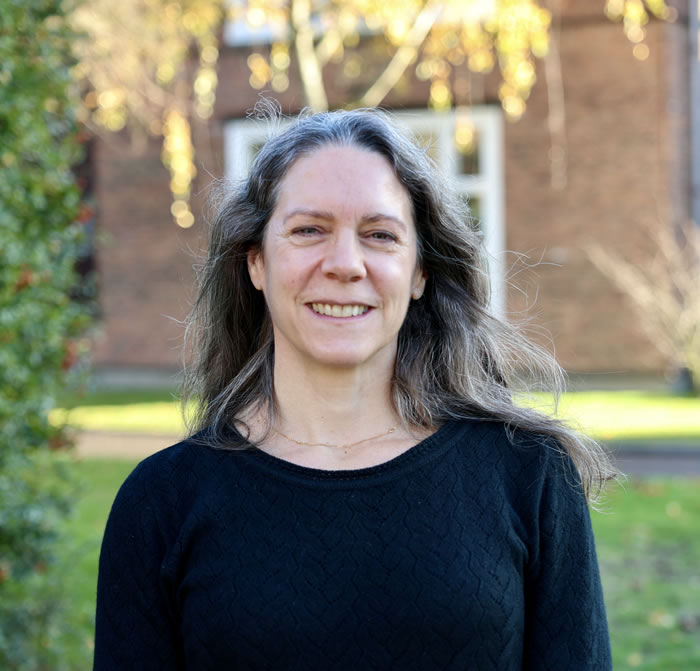
Grantee: Abigail Mackey PhD
Grant type: MDA Request for Applications
Award total: $200,000.00
Institution: Copenhagen University Hospital - Bispebjerg Hospital
Country: Denmark
MDA Resource Center: We’re Here For You
Our trained specialists are here to provide one-on-one support for every part of your journey. Send a message below or call us at 1-833-ASK-MDA1 (1-833-275-6321). If you live outside the U.S., we may be able to connect you to muscular dystrophy groups in your area, but MDA programs are only available in the U.S.